
Last updated November 3, 2026
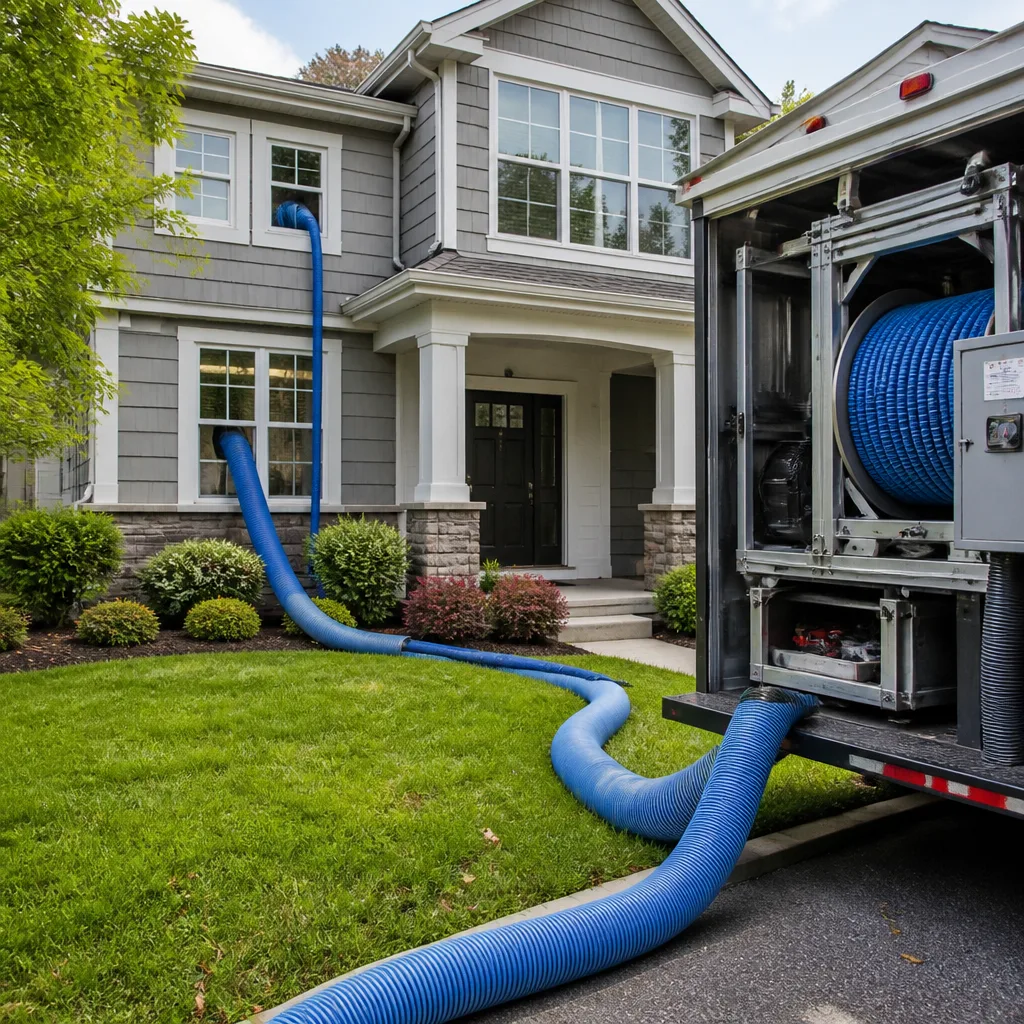 Whole-home duct cleaning
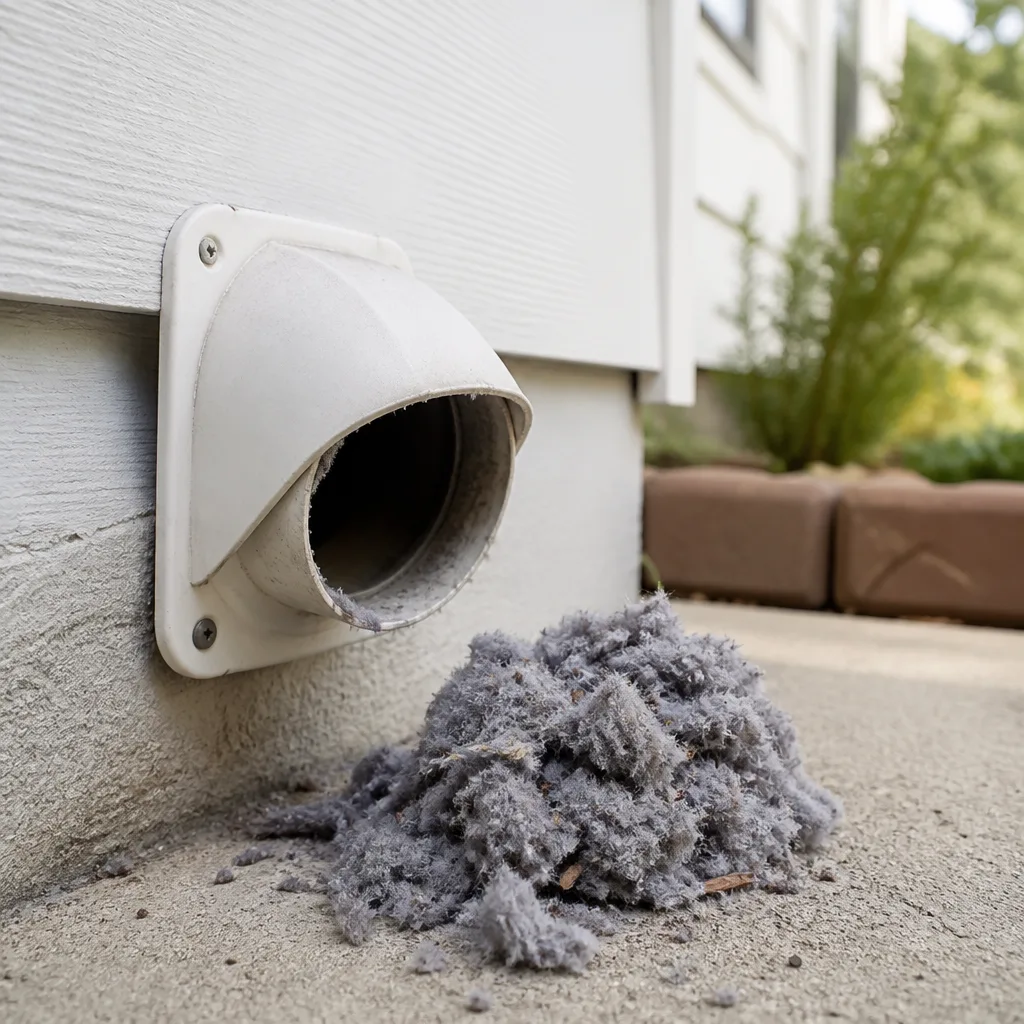 Dryer vent cleaning
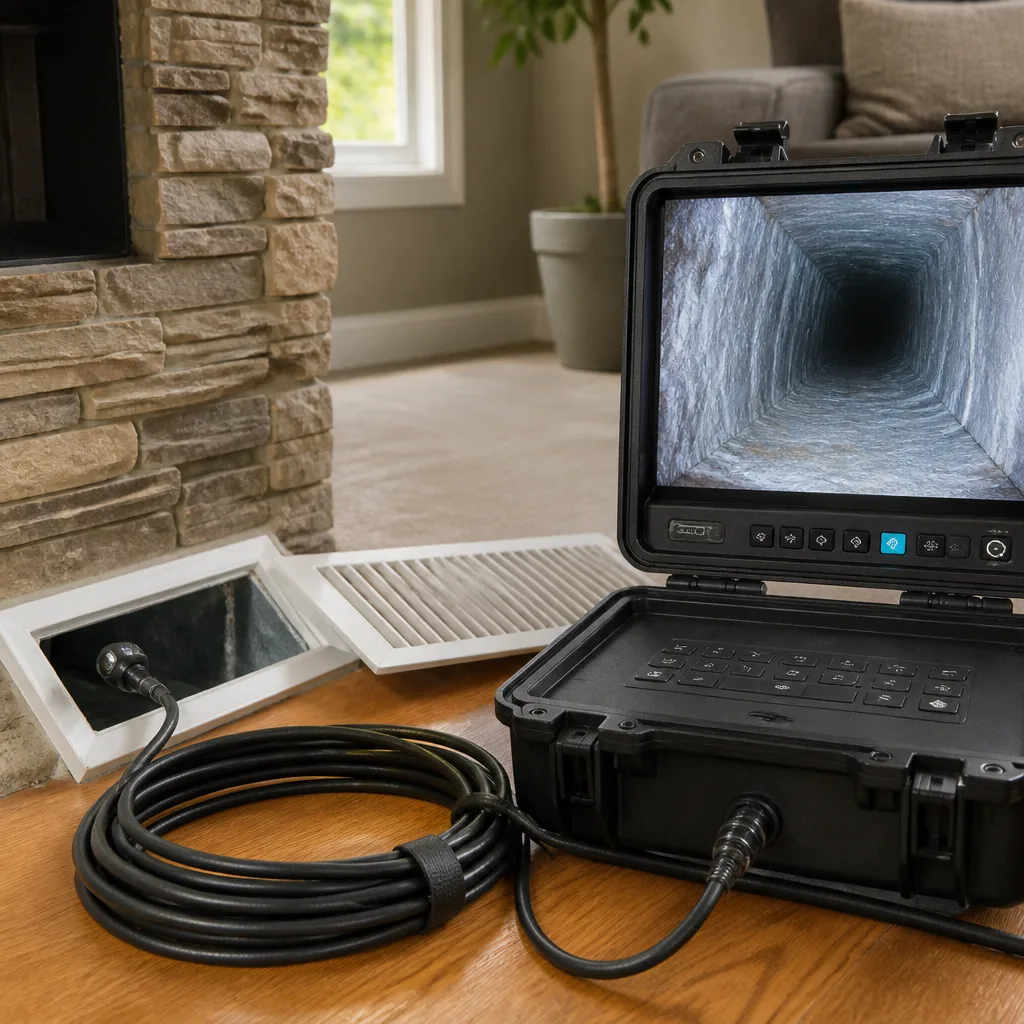 Camera inspection
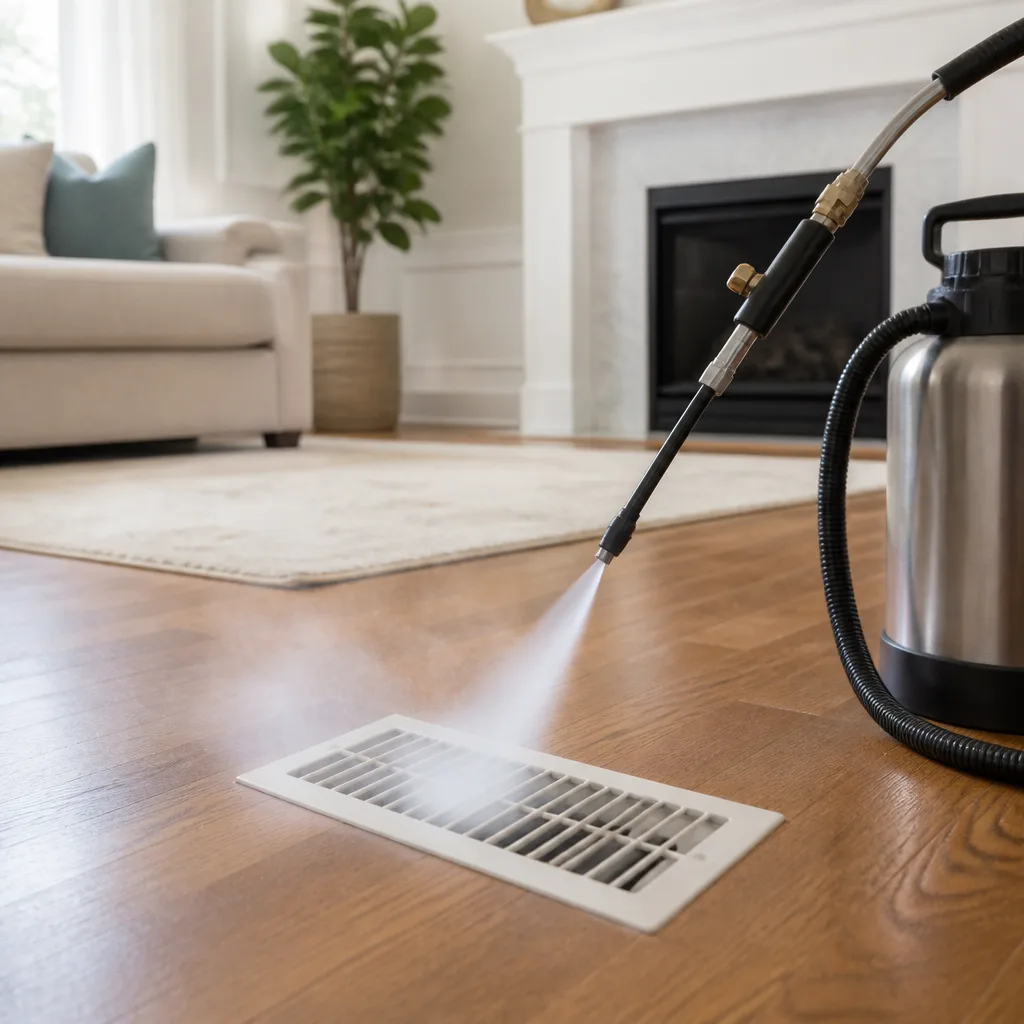 Sanitizing & deodorizing
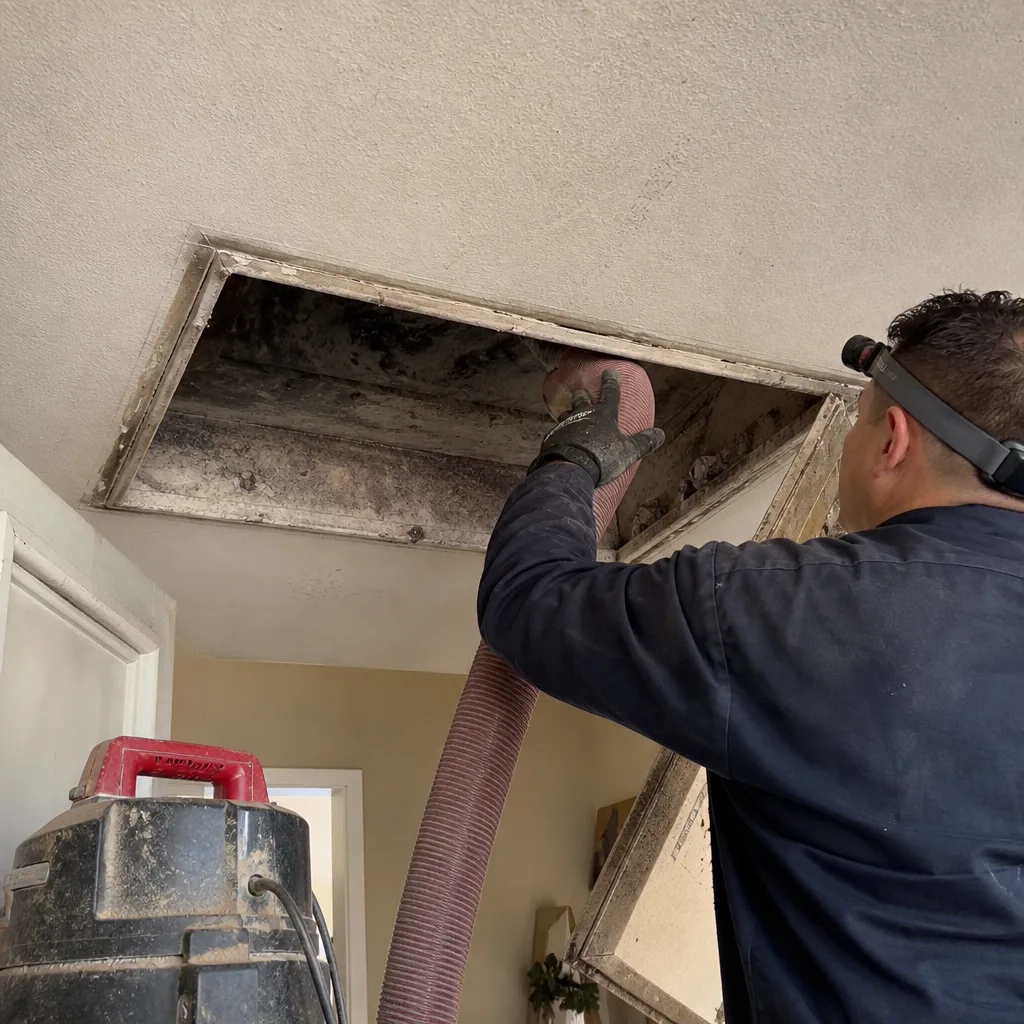
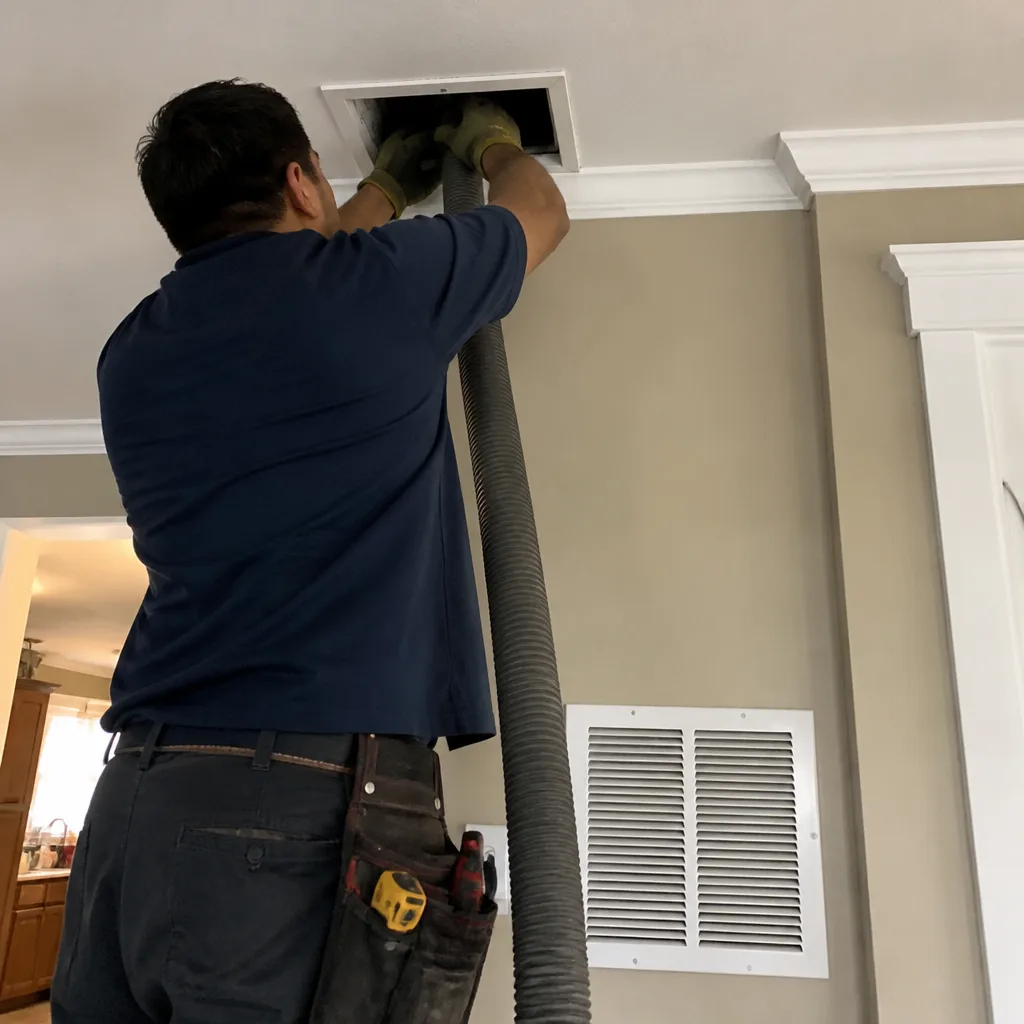
Whole-system duct and dryer vent check with before-and-after photos - you see exactly what came out of your vents
That "$99 whole-house special" is a bait ad - the real number appears once they are in your hallway, or the "clean" is a shop-vac at the register. We photograph the inside of your ducts before and after instead.
The Complete Air Duct Cleaning Guide for Rancho Park Homeowners
Here’s something most guides won’t tell you: the most common duct material in Rancho Park isn’t the flexible plastic tubing you see in newer developments. It’s rigid metal ductwork wrapped in insulation that was installed before anyone worried much about air leakage. A large share of the residential housing stock in this neighborhood went up between 1945 and 1965, which means the ducts moving air through those homes were built to a standard that didn’t account for what we now know about indoor air quality, particulate buildup, and energy loss. This guide explains what that actually means for your cleaning decisions, what a legitimate job should include, and how to verify the work was done right. For The Complete Guide to Air Duct Cleaning in Rancho Park and related resources, see our blog. We’re writing this from a Rancho Park perspective because the details here genuinely differ from what works in Irvine or Playa Vista.
Quick Answer
Air duct cleaning in Rancho Park typically costs between $450 and $900 for a whole-home system, depending on square footage, number of returns, and accessibility. A legitimate job uses source-removal equipment (negative-air machines, rotary brushes, HEPA filtration) to pull debris out of the duct system, not just vacuum what’s visible at the registers. Rancho Park homes built before 1970 need special attention to duct joint integrity and insulation condition during cleaning, because aggressive methods can damage older materials.
Styles & brands we work with
- Whole-home duct cleaning
- Dryer vent cleaning
- Camera inspection
- Sanitizing & deodorizing
Table of Contents
- Why Rancho Park’s Housing Stock Changes the Duct Cleaning Conversation
- What’s Actually in Your Ducts: The Westside Particulate Profile
- Source-Removal Cleaning vs. What Discount Services Actually Do
- How to Do a Pre-Cleaning Assessment Before Anyone Shows Up
- What a Complete Duct Cleaning Job Includes, Step by Step
- Post-Cleaning Verification: What a Finished Job Should Leave Behind
- How Often Does Duct Cleaning Actually Need to Happen in Rancho Park?
- Common Mistakes to Avoid
- When to Call a Professional
- Frequently Asked Questions
- The Bottom Line
Why Rancho Park’s Housing Stock Changes the Duct Cleaning Conversation
The age of your home’s duct system determines how it should be cleaned, what tools are safe to use on it, and what problems are likely to show up during the work. This isn’t a minor detail. It’s the difference between a cleaning that improves airflow and a cleaning that creates new leaks.
Rancho Park’s residential development peaked in the two decades after World War II. Homes from that era were almost universally built with rigid galvanized steel ductwork. The good news: galvanized ducts hold up structurally for decades and don’t sag or collapse the way poorly supported flex duct can. The less good news: the joints between duct sections were sealed with materials that have had 60 to 80 years to dry out, crack, and separate. When a rotary brush runs through those joints, it can dislodge old sealant and open gaps that were previously just barely holding.
This is why Air Duct Cleaning in Rancho Park requires an approach calibrated to older duct systems. A technician who treats a 1958 duct system like a 2008 system is going to create problems. We’ve seen post-war homes where the duct insulation wrap had degraded to the consistency of compressed cardboard. Run aggressive equipment through that, and you’re pulling insulation fibers into the airstream and out through the registers.
The point: knowing your home’s construction era isn’t trivia. It dictates cleaning method, inspection priorities, and whether Air Duct Repair in Rancho Park should happen before or alongside cleaning.
What Post-War Ducts Usually Need
- Joint inspection before cleaning. Loose or separated joints should be identified before brushes run through. Otherwise, cleaning makes existing leaks worse.
- Gentler agitation. Older rigid ducts handle rotary brushes well when speeds and contact pressure are appropriate. But if the duct has internal lining or insulation wrap, the approach changes.
- Post-cleaning sealing checks. After debris is removed, joints that were previously clogged with dust may show air leaks. That’s not the cleaning’s fault. It’s a pre-existing condition the cleaning revealed.
If you live in one of the pocket neighborhoods north of Pico or along the Cheviot Hills border, your home likely falls into this post-war category. If your system has never been cleaned, plan for the possibility that the first cleaning reveals repair needs. That’s not a bait-and-switch. It’s physics working on 60-year-old materials.
What’s Actually in Your Ducts: The Westside Particulate Profile
The Westside of Los Angeles has a distinct particulate and humidity profile, and it shows up in duct systems differently than it does inland. If you’ve ever cleaned a shelf in a Rancho Park living room and found fine gray dust two days later, you’ve already met the particulate load we’re talking about.
Three factors combine here. First, proximity to the coast means air moving through your HVAC system includes marine layer moisture, especially from May through July and again in the fall. Moisture that condenses inside cool ductwork creates a perfect bonding surface for dust. Instead of blowing through, particles stick. Over months, that sticky layer accumulates and becomes a stubborn coating that a simple vacuum won’t remove.
Second, the 10 and 405 freeways bracket the area. Traffic-related particulate, including fine brake dust and tire wear particles, is a measurable component of Westside indoor air. Third, Rancho Park’s mature tree canopy, while lovely, contributes organic debris: pollen, fine bark dust, and leaf fragments that enter return ducts through gaps in older systems.
We’ve pulled clumps of material out of Rancho Park returns that looked like compacted felt. The composition: dust, pet hair, tree pollen, and enough moisture-affected debris to hold it all together. That kind of accumulation doesn’t respond to a shop vac at the register. It requires agitation and negative air pressure.
The Marine Layer Factor
The marine layer isn’t just fog. It’s a consistent elevated relative humidity pattern that sits over the Westside for weeks at a time. Inside your ducts, that translates to interior surface moisture in the 60-70% relative humidity range during certain seasons. Mold doesn’t need standing water to grow. It needs consistently humid surfaces and organic food sources. Your ducts can provide both without ever leaking a drop.
This is why we recommend duct inspection in Rancho Park as a seasonal consideration, not a once-a-decade event. If you’ve noticed a musty smell when the system first kicks on in the morning, that’s the signature of humidity-affected debris in the ducts. It burns off as the system runs, which is why the smell disappears after a few minutes. But the material causing it is still there.
Source-Removal Cleaning vs. What Discount Services Actually Do
The duct cleaning industry has a wide gap between what legitimate companies do and what discount operations pass off as cleaning. Knowing the difference in advance is the single most valuable piece of information in this guide. See DIY vs Professional Air Duct Cleaning: The Rancho Park Homeowner’s Decision Guide for help choosing.
Source-removal cleaning is the standard established by NADCA (the National Air Duct Cleaners Association). The goal is to dislodge debris from every surface inside the duct system and remove it from the home. In practice, that means three things working together: mechanical agitation to loosen debris, a negative-air machine to put the system under vacuum, and HEPA filtration to capture particles before they’re exhausted or recirculated. The key: debris is removed at the source, not pushed around.
Discount cleaning, by contrast, usually means one technician with a portable vacuum and a spinning brush attached to a drill. They may vacuum the registers and the first few feet of duct they can reach. What they don’t do is create negative pressure across the entire system, so the debris they loosen in one section settles in another. They also don’t contain the dust they kick up. In the worst cases, a discount cleaning makes your indoor air worse for a few days, because particulates that were stuck inside ducts are now floating in your living room.
The equipment difference matters. Professional jobs use systems from manufacturers like Rotobrush and Nikro, the same brands specified by industrial hygienists and remediation contractors. Remediation-grade setups also use containment equipment from Abatement Technologies to create negative air pressure and prevent cross-contamination. None of this is available at a home improvement store, and none of it is cheap. That cost difference shows up in the quote.
We clean ducts. That’s it. And the reason we invest in remediation-grade equipment is simple: moving dust from one part of a house to another isn’t cleaning. It’s relocation.
Why This Matters for Rancho Park Homes Specifically
Older rigid duct systems are more forgiving of proper source-removal cleaning than they are of discount methods. A negative-air setup continuously pulls loosened debris out as brushes work. A discount approach loosens debris and hopes gravity or a weak vacuum captures some of it. In a 60-year-old system with joint gaps and internal roughness, that loose debris finds new places to settle. The job looks done. It isn’t.
If you’re comparing quotes and one is dramatically lower, ask one question: what equipment will you bring? If the answer doesn’t include a negative-air machine and containment protocol, you’re buying a partial service.
Anchor Link: Duct Cleaning Rancho Park
For homeowners researching this topic, starting with a provider that understands the local housing stock makes a measurable difference. Air Duct Cleaning Rancho Park home services focus specifically on the duct systems common to this neighborhood. When the technician already knows what a 1955 rigid duct system looks like, the inspection is faster and the cleaning is more accurate.
How to Do a Pre-Cleaning Assessment Before Anyone Shows Up
Before you book any duct cleaning, spend 20 minutes gathering information that will make the service call more productive and protect you from inflated estimates. Here’s what to check.
- Pull two or three register covers. Use a screwdriver or just lift them if they’re the drop-in type. Shine a phone flashlight into the duct opening. What do you see? If there’s visible gray or brown material coating the interior surfaces, that’s the accumulation source-removal cleaning targets. If you see rust or moisture stains, note that too. It affects the cleaning approach.
- Check the return registers. Returns pull air into the system, so they collect the heaviest debris. Look for carpet fibers, pet hair, and a fine gray film. This is normal accumulation. But if you see dark staining or anything that looks like it’s growing, flag it for the technician before they arrive.
- Inspect the air handler compartment. Turn off the system first. Remove the panel covering the filter and evaporator coil (if accessible). Look at the filter. If it’s coated and dark, the downstream side of the system has been pulling unfiltered air, which means the coil and blower are likely dirty too. A duct cleaning that skips the coil and blower is a partial job.
- Walk the accessible duct runs. In many Rancho Park homes, ducts run through the garage, crawlspace, or attic. If you can see sections, look for separated joints, sagging straps, or any spots where insulation wrap is pulling away. Take photos. These are the areas a technician should inspect closely before cleaning starts.
This pre-assessment does three things. It helps you describe your system accurately when booking. It lets you compare what you saw with what the technician reports. And it gives you a baseline to verify that the cleaning actually addressed the problem areas.
A Note on Safety
If your ducts are in an attic or crawlspace with limited clearance, don’t push into spaces where you can’t safely move. Identifying visible sections from a safe vantage point is enough. The technician will do a full inspection with appropriate access equipment.
What a Complete Duct Cleaning Job Includes, Step by Step
A legitimate whole-system duct cleaning in a Rancho Park home typically runs 3 to 6 hours, depending on system size and accessibility. Here’s what the process should look like when done to NADCA standards.
- System inspection and documentation. The technician maps the duct layout, identifies all supply and return openings, checks the air handler, and notes any pre-existing damage, leaks, or access limitations. Photos should be taken before work begins.
- Equipment setup and containment. The negative-air machine is connected to the system, usually at the air handler or a main trunk line. Containment barriers and surface protection go down around work areas. This step is critical. Without it, dislodged dust migrates through the home.
- Register sealing and zoning. The technician seals registers in sections, creating zones that can be cleaned one at a time under full negative pressure. Zoning ensures that every section gets focused agitation and extraction, not just the areas closest to the vacuum.
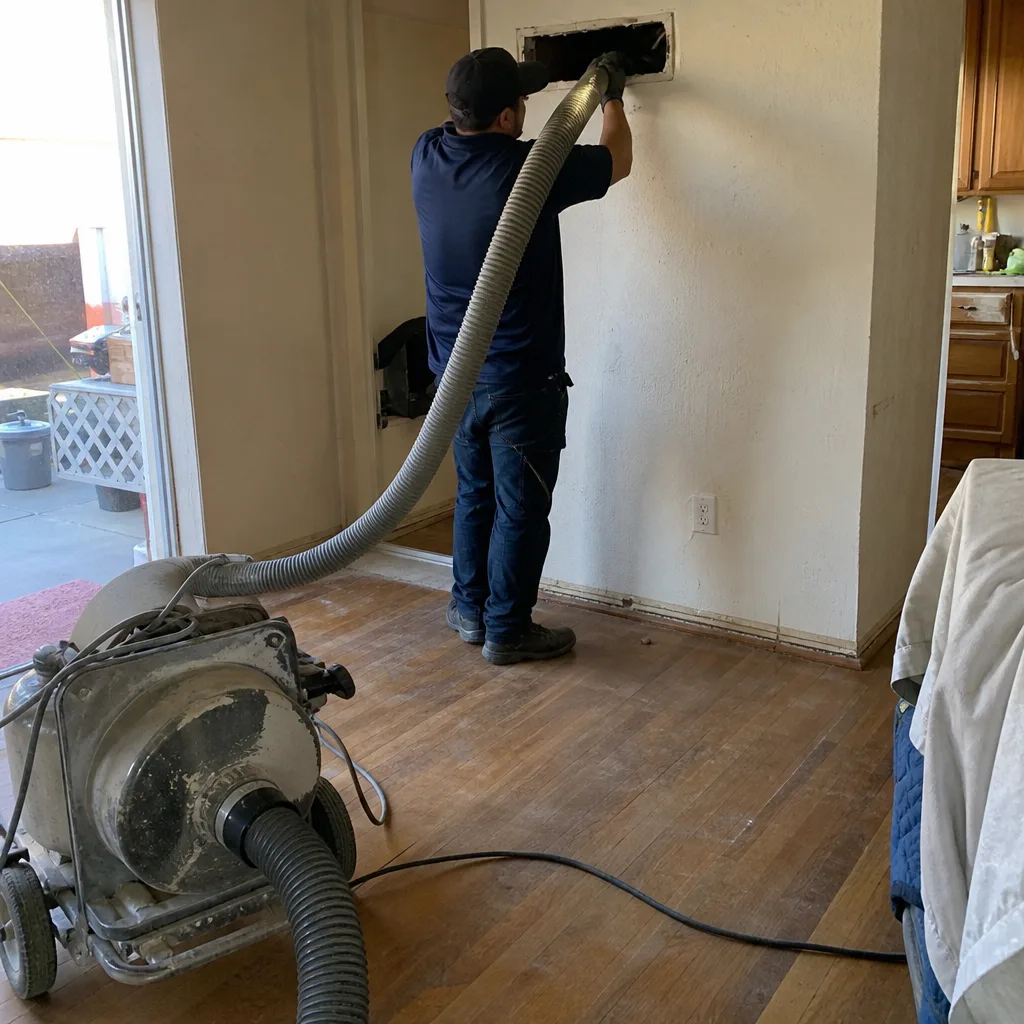
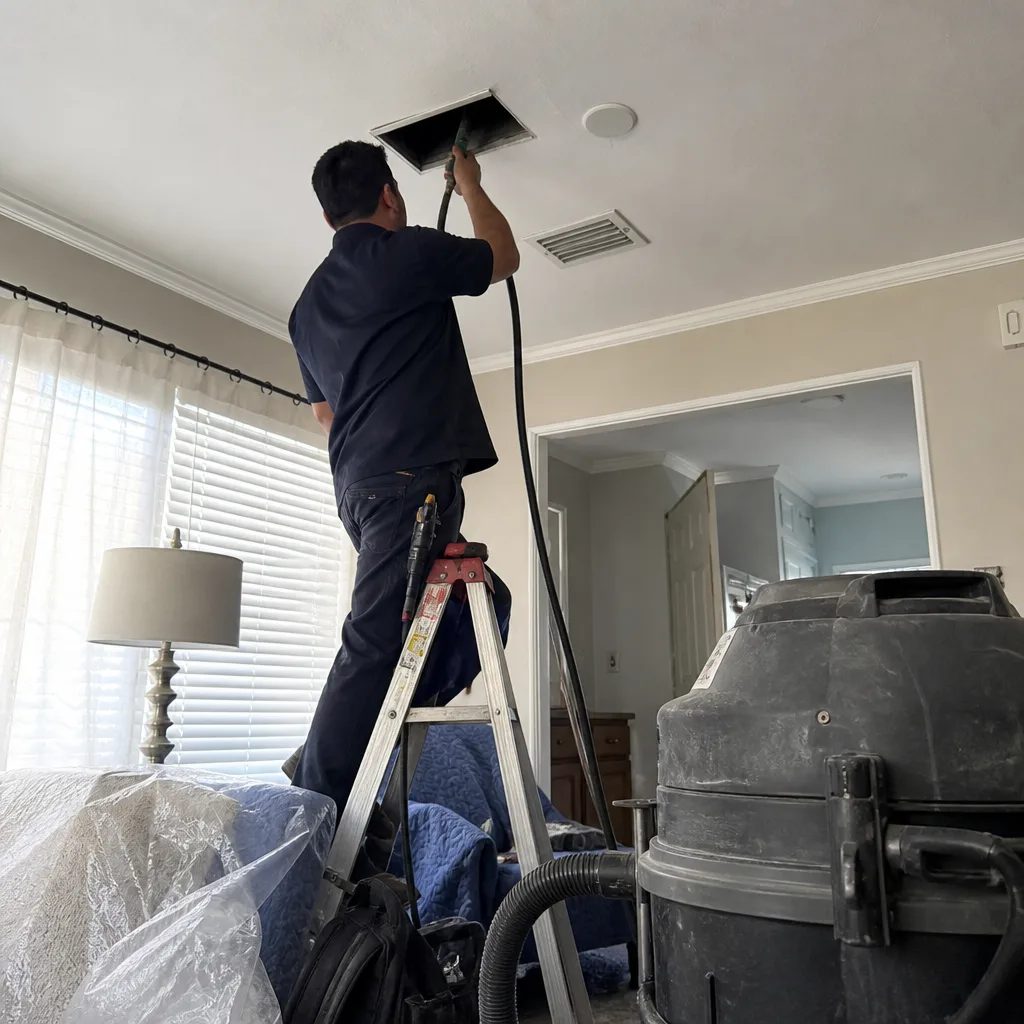
- Mechanical agitation. Rotary brushes, air whips, or compressed-air tools (depending on duct material and condition) dislodge debris from interior surfaces. This is where the Rotobrush and Nikro equipment does the actual work. The agitation breaks the bond between debris and duct walls.
- Continuous extraction. Throughout agitation, the negative-air machine pulls loosened debris toward the collection point. Nothing is left to settle. The debris is captured in HEPA filtration, not exhausted into the yard or recirculated through the home.
- Air handler cleaning. The blower motor, housing, evaporator coil, and condensate pan are cleaned using methods appropriate to those components. Duct cleaning that skips the air handler is like washing the pipes but not the pump.
- Final walkthrough and documentation. The technician should show you before-and-after photos of representative duct sections, explain what was removed, and note any repair issues discovered during the work.
We use Guardsman surface protection protocols on every job. That means floors, entryways, and work surfaces get covered before equipment rolls in. It’s a small thing that signals a broader standard of care. If a company shows up without drop cloths or shoe covers, that’s a data point.
Post-Cleaning Verification: What a Finished Job Should Leave Behind
The biggest homeowner anxiety around duct cleaning is a simple question: how do I know the work was actually done? It’s a fair question. You can’t see inside most of the system, and a dishonest technician could run a vacuum for an hour and call it finished. Here’s how to verify the job without climbing into your attic.
Documentation Checklist
- Before-and-after photos. At minimum, you should receive photos of the main trunk line, a representative branch duct, the return plenum, and the air handler before and after cleaning. If the photos show a visible difference, the system was cleaned. If they won’t show you photos, ask why.
- A written condition report. This should note the type and condition of your ductwork, any areas that couldn’t be accessed, any damage found, and any repair recommendations. A company that does this consistently has nothing to hide.
- Static pressure readings. This is a more technical check, but a legitimate company can measure air pressure before and after. Some systems show meaningful improvement after cleaning; others don’t change much because the duct design was the limiting factor, not dirt. Either way, the data tells you something.
- Visual inspection access. Ask the technician to open one or two registers and let you look at the duct with a flashlight before they pack up. A cleaned duct should show bare metal or clean material, not a residue smear. You don’t need to inspect every run. A representative sample is enough.
If a company completes the job and offers none of these verification tools, you have no way to confirm the work. That’s a red flag. The cleaning standard in this industry should include proof of work, not just an invoice.
How Often Does Duct Cleaning Actually Need to Happen in Rancho Park?
The industry default answer is every 3 to 5 years. For Rancho Park specifically, three factors move that number around: construction era, household composition, and seasonal patterns.
If your home was built before 1970 and the ducts have never been cleaned, schedule the first cleaning now regardless of what the calendar says. Systems that have accumulated 50-plus years of debris are in a different category than systems cleaned three years ago. After that first deep clean, a 3-year interval is reasonable for most Rancho Park homes.
Homes with shedding pets, multiple occupants, or residents with allergy or respiratory sensitivities should lean toward the 2 to 3-year mark. The same applies if you live close to the 10 freeway or in a section of the neighborhood where leaf litter and tree pollen are constant. Homes with recently installed systems (post-2015) and HEPA-level filtration may stretch to 5 years without meaningful accumulation.
One clear signal that you’re due: if you replace your HVAC filter and it’s visibly dirty within 4 to 6 weeks, the air moving through your system is carrying a heavy particulate load. That material is also accumulating in your ducts. The filter is catching some of it. The duct surfaces are catching the rest.
Common Mistakes to Avoid
- Hiring based on price alone. The discount quote usually reflects discount equipment and no containment. In Rancho Park’s older homes, this can cause more harm than good. Two technicians with negative-air equipment cost more because the job takes longer and the equipment is expensive to own and maintain.
- Skipping the air handler. Some companies quote duct-only cleaning and leave the blower and coil untouched. The air handler is the wheel that pushes air through the system. If it’s dirty, the system is dirty. Any quote should clarify whether air handler cleaning is included.
- Assuming newer ducts don’t need cleaning. Newer flex duct still accumulates debris, especially in homes near the 405. Construction-era matters for method, not for whether cleaning is needed.
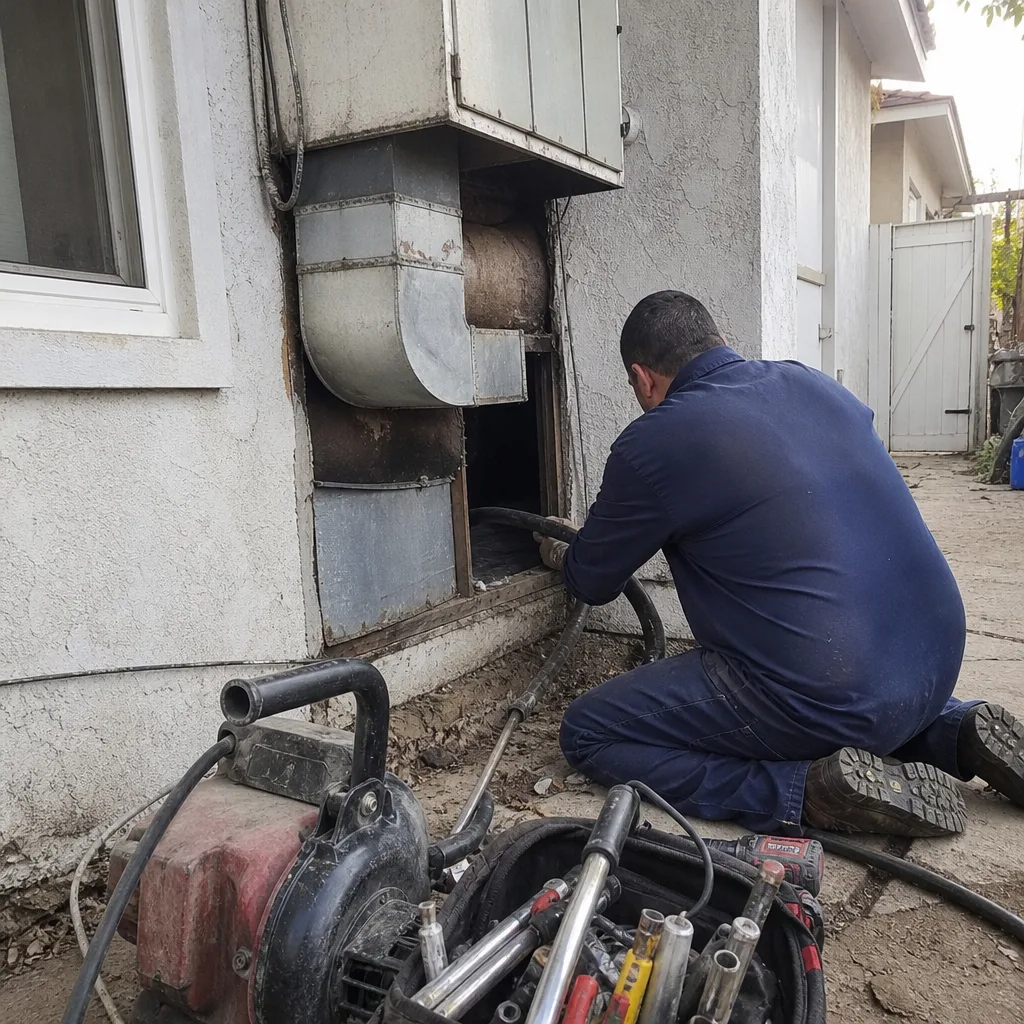
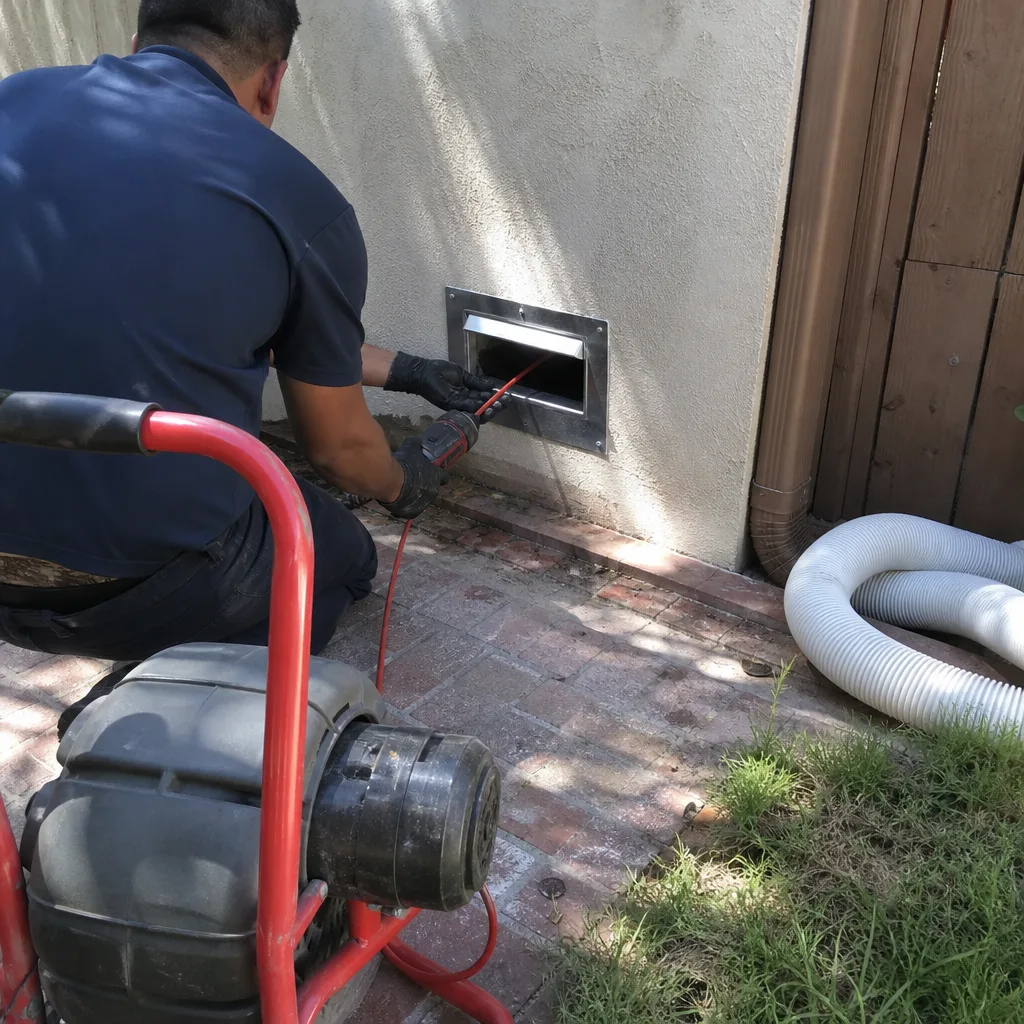
- Ignoring the dryer vent. Clothes dryers push lint through a duct that’s usually completely separate from the HVAC system. A home with dirty HVAC ducts likely has a dirty dryer vent too. Dryer Vent Cleaning in Rancho Park is a separate service that addresses a leading cause of residential fires, and it deserves its own attention.
- Waiting until you smell something. By the time a musty or dusty smell is noticeable when the system runs, the accumulation is significant. Visual inspection at the registers and filter check takes five minutes. Don’t wait for a symptom.
- Not asking about containment. The difference between a job that contains dust and one that doesn’t determines whether your house is cleaner or dustier after the cleaning. Ask directly: “What containment and negative-air equipment do you use?”
- Choosing a generalist over a specialist. A company that does HVAC installation, plumbing, and duct cleaning on the side is less likely to own remediation-grade duct cleaning equipment. Duct cleaning is a distinct trade, and it rewards specialists.
When to Call a Professional
Duct cleaning is not a DIY project, and the reason has less to do with skill than with physics. Effective cleaning requires negative pressure across the entire system, which requires equipment designed for that purpose. A shop vac attached to a register is not a substitute. It disturbs debris and removes a fraction of what it loosens, leaving the rest to resettle.
Call a professional when you see visible accumulation at registers, when your filter loads unusually fast, when you notice a persistent musty odor on system startup, or when you’ve lived in a pre-1970 Rancho Park home for more than a few years and have never had the ducts inspected. Also call if you’re preparing for allergy season or if a renovation recently introduced drywall dust or construction debris into your living space. Air Duct Cleaning services from Air Duct Cleaning Rancho Park include free estimates in Rancho Park. Call (855) 974-1911 to schedule an inspection and get a straightforward quote based on your actual system, not a per-vent teaser price.
Frequently Asked Questions
Whole-home air duct cleaning in Rancho Park typically ranges from $450 to $900, with larger homes or systems with multiple returns falling at the higher end. The price should be quoted as a flat rate per system, not a per-vent price. Per-vent pricing creates an incentive to add vents and inflate the final bill. Before booking, ask for a firm quote based on your home’s square footage and number of registers. Call (855) 974-1911 for an exact quote based on your system. Estimates are free.
Cheaper quotes usually mean one technician with portable equipment, no negative-air machine, and no containment setup. That approach removes some debris from the first few feet of accessible duct and leaves the rest of the system untouched. In Rancho Park’s older rigid duct systems, loose debris often resettles in joint gaps and low spots. The job looks done for a few days. Then the dust comes back. A legitimate cleaning costs more because the equipment, time, and labor to do it properly are all more expensive.
You should receive before-and-after photos of representative duct sections, including the main trunk and the return plenum. A written condition report should note what was cleaned, what wasn’t accessible, and any damage found. Ask to see inside one or two open registers before the crew packs up. A cleaned duct shows bare metal or clean material. Residue smears mean the agitation didn’t fully release the debris. If a company offers none of these, that’s a problem. Call (855) 974-1911 to schedule a service with full documentation.
Every 3 to 5 years is a reasonable baseline for most Rancho Park homes. Older homes that have never been cleaned should schedule the first cleaning sooner rather than later. Homes with pets, heavy freeway proximity, or residents with allergies may need cleaning every 2 to 3 years. The most reliable indicator is filter loading. If a new filter looks dirty within 4 to 6 weeks, the system is circulating a heavy particulate load and the ducts are accumulating the same material.
Duct cleaning removes accumulated dust, pollen, pet dander, and moisture-affected debris from the system that circulates air through your home. For Rancho Park residents dealing with Westside pollen loads, this can reduce the total particulate count in indoor air. However, cleaning isn’t a cure. It works best alongside regular filter maintenance and whole-home filtration. If allergy relief is your primary goal, ask about filtration upgrades compatible with Honeywell and Aprilaire systems. They address airborne particles continuously, not just on the day the ducts are cleaned.
Yes, when the cleaning method matches the duct material and condition. Post-war rigid galvanized ducts handle appropriate rotary brush cleaning well. However, older joint sealant and insulation wrap can be fragile. A technician should inspect before cleaning, identify fragile areas, and adjust agitation methods accordingly. The risk is not duct cleaning itself. The risk is duct cleaning done with inappropriate force and no pre-inspection. That’s why the pre-cleaning assessment section of this guide matters.
They are separate systems. Your HVAC ducts circulate air through the home. Your dryer vent carries hot, lint-laden air from the dryer to the outside. HVAC duct cleaning removes accumulated dust and debris from your heating and cooling system. Dryer vent cleaning removes lint buildup that restricts airflow and creates a fire hazard. A home can need one without needing the other, though both are often due in the same older homes. We offer both as standalone services. Call (855) 974-1911 for a quote on either.
The Bottom Line
Rancho Park’s air duct cleaning needs are shaped by the neighborhood’s post-war construction era, Westside particulate patterns, and marine layer humidity. Older rigid duct systems need a cleaning method calibrated to their materials and condition, not a generic approach designed for newer flex duct. A legitimate job uses source-removal equipment, negative-air containment, and air handler cleaning as standard. The price should be one flat rate per system, and the finished job should leave behind photos, a condition report, and verifiable results. If your system hasn’t been inspected in years, or if you’re seeing dust buildup that returns within days of cleaning, it’s time to call. For more guides & resources on maintaining your home’s air quality, visit our blog. Air Duct Cleaning Rancho Park serves Rancho Park homeowners with remediation-grade equipment and a tight service focus: cleaning, repair, and dryer vent safety. Reach us at (855) 974-1911.
Written by the team at Air Duct Cleaning Rancho Park, serving Rancho Park since 2014.
See the difference
 Before
 After
 Before
 After
 Before
 After