
Last updated November 2, 2026
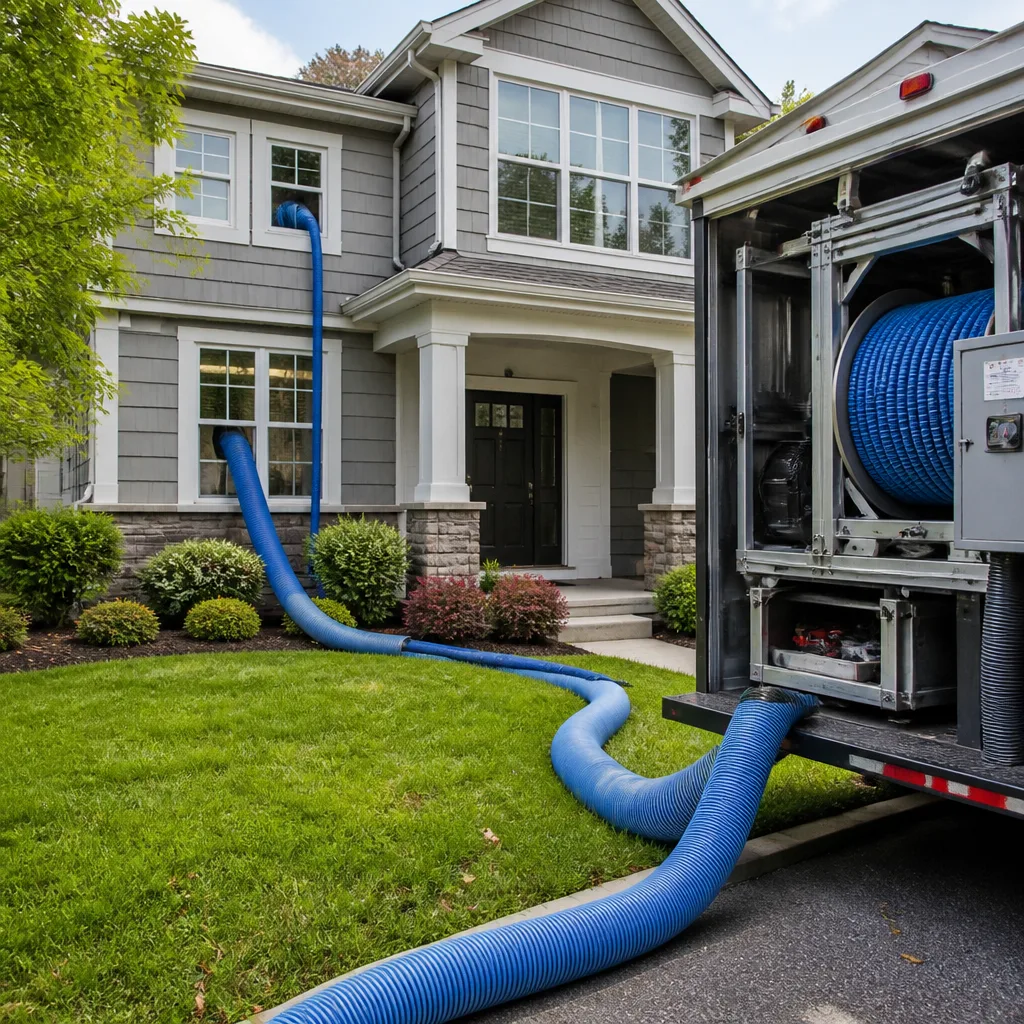 Whole-home duct cleaning
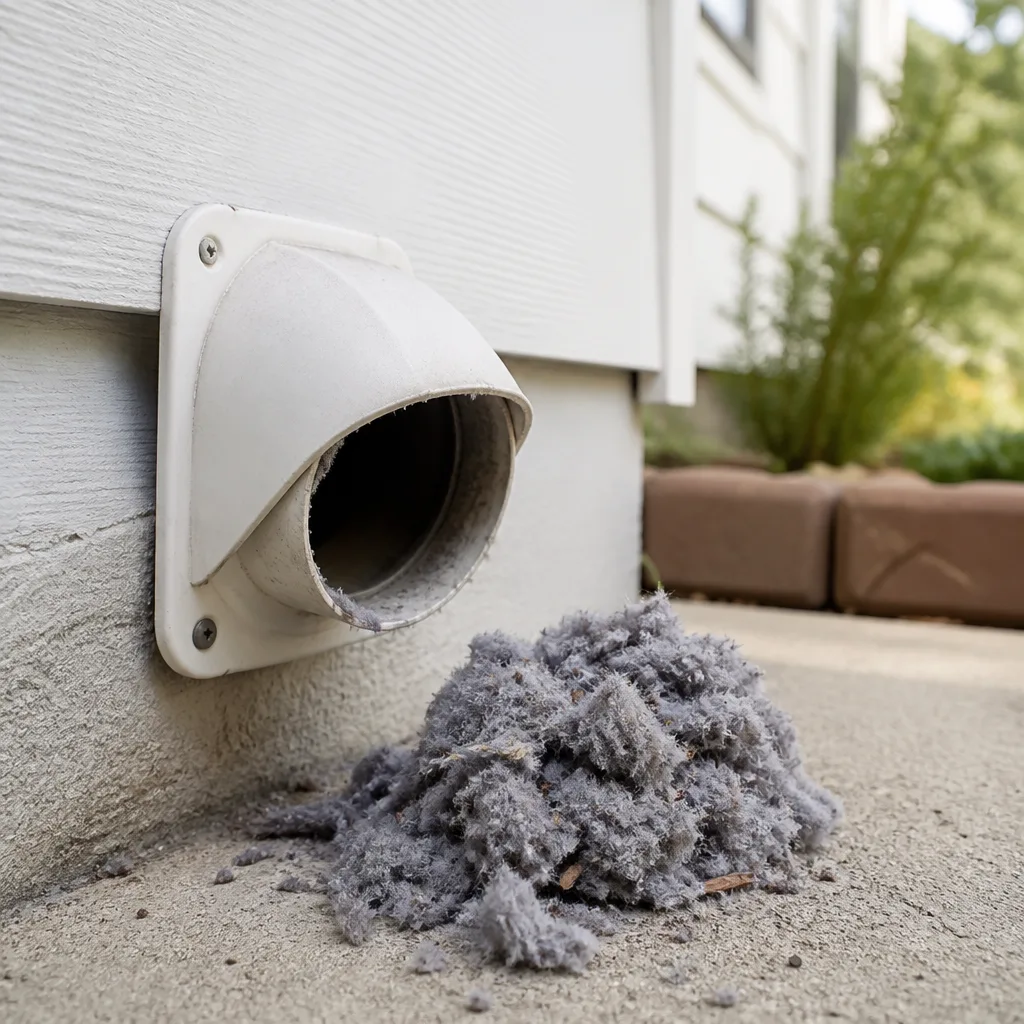 Dryer vent cleaning
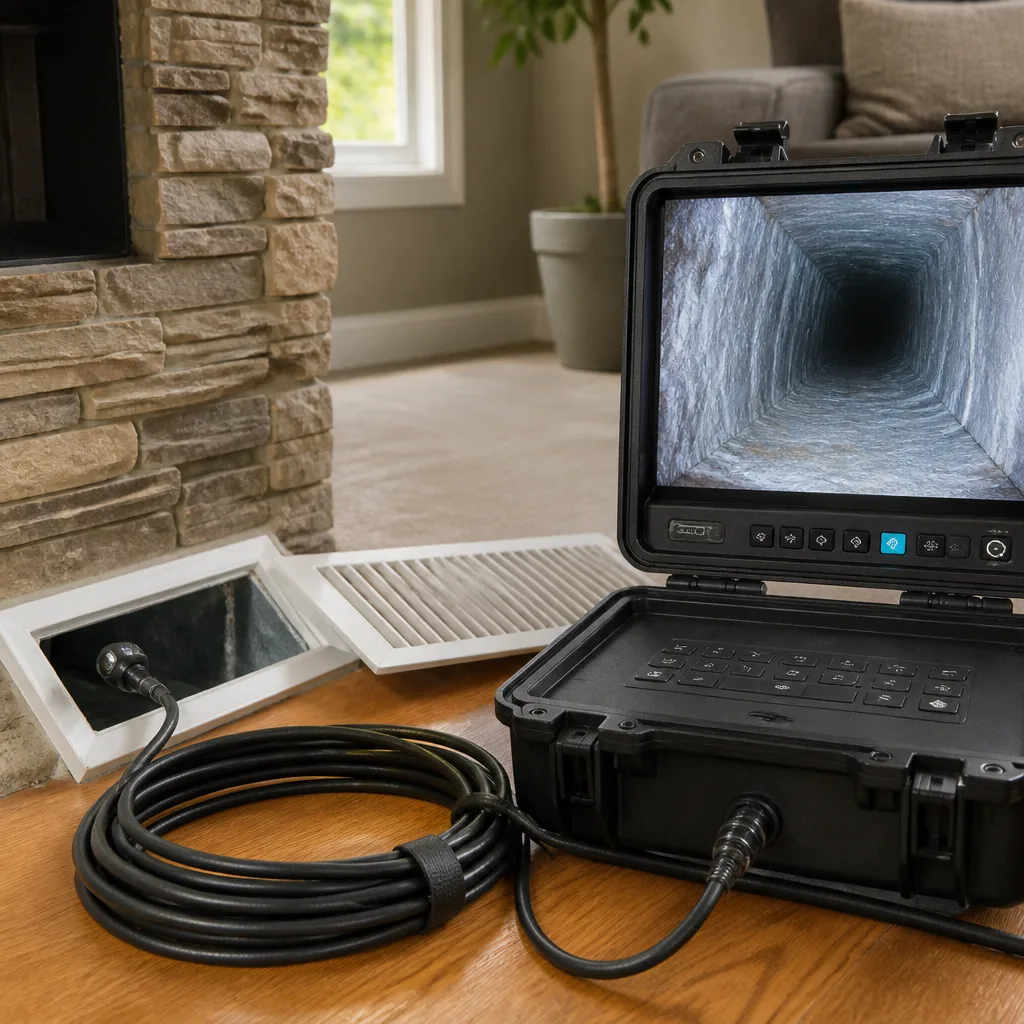 Camera inspection
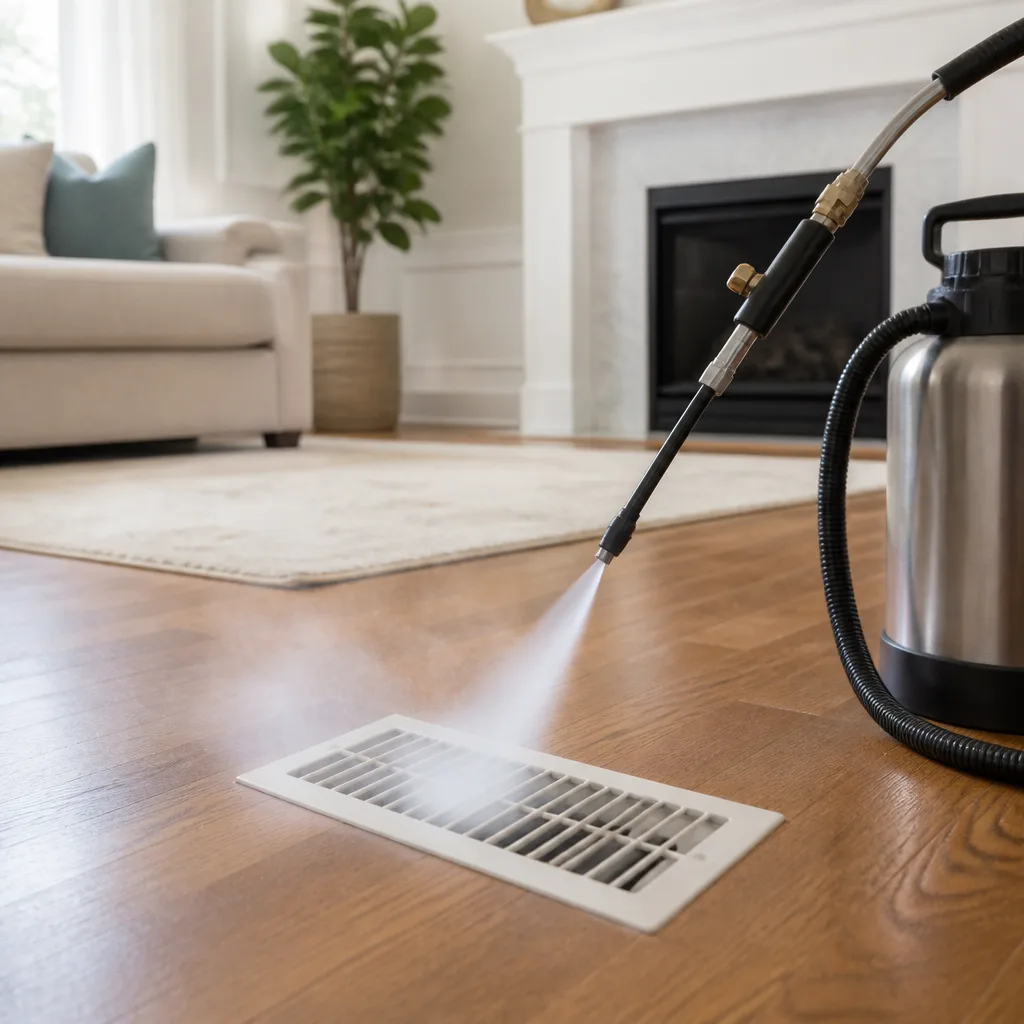 Sanitizing & deodorizing
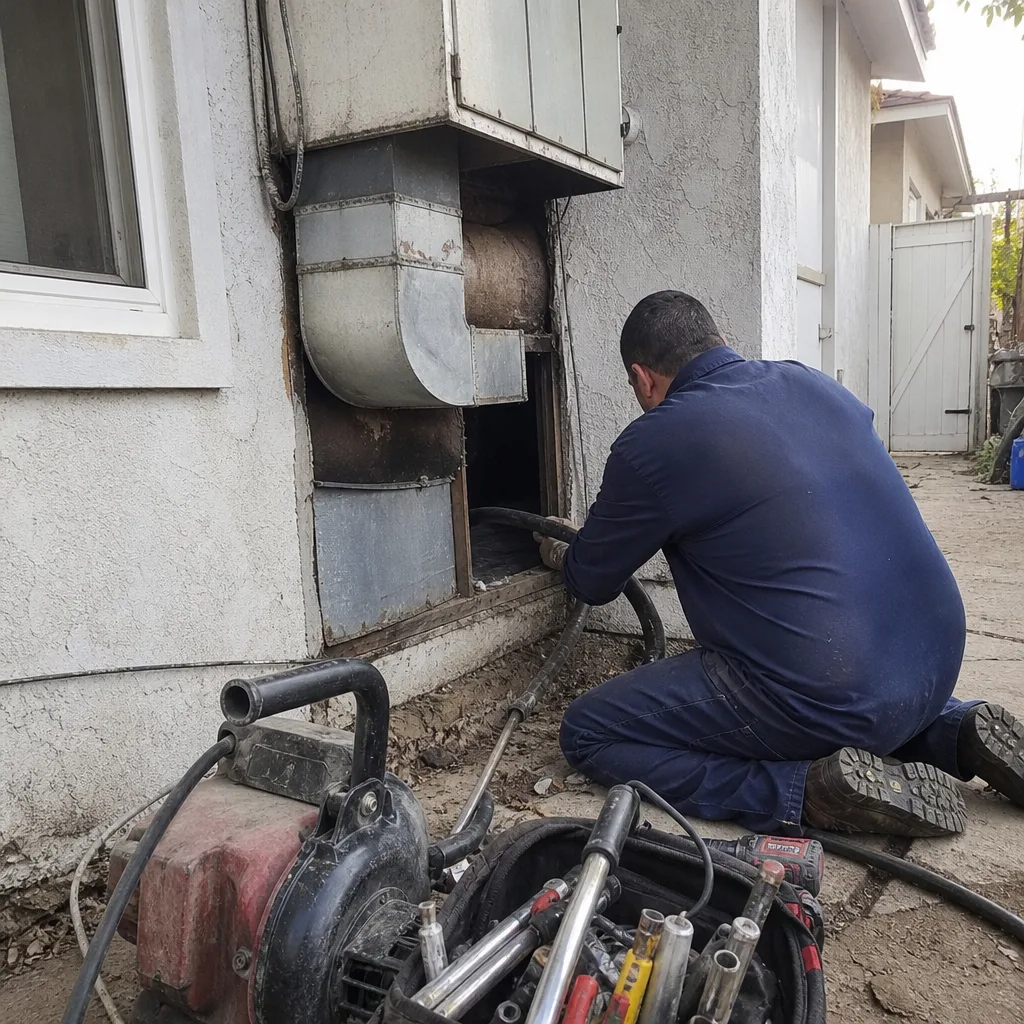
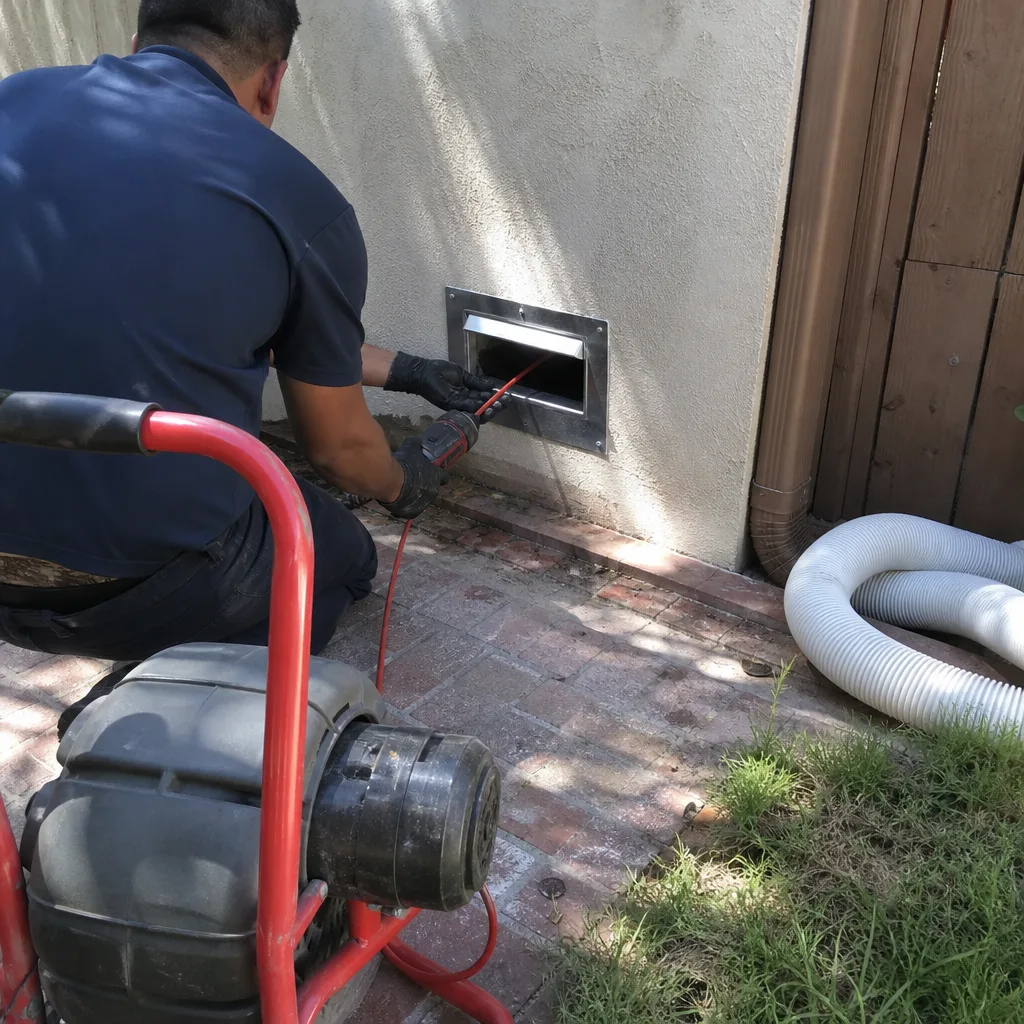
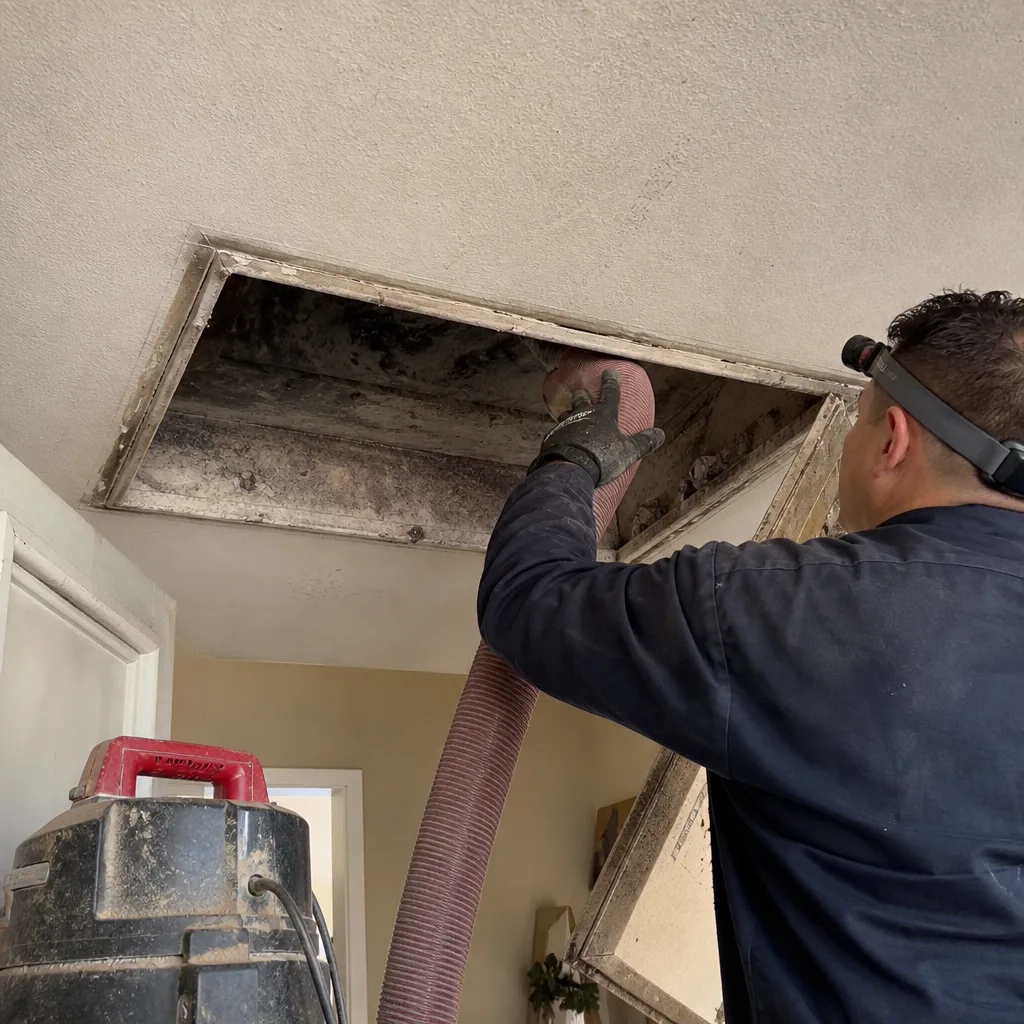
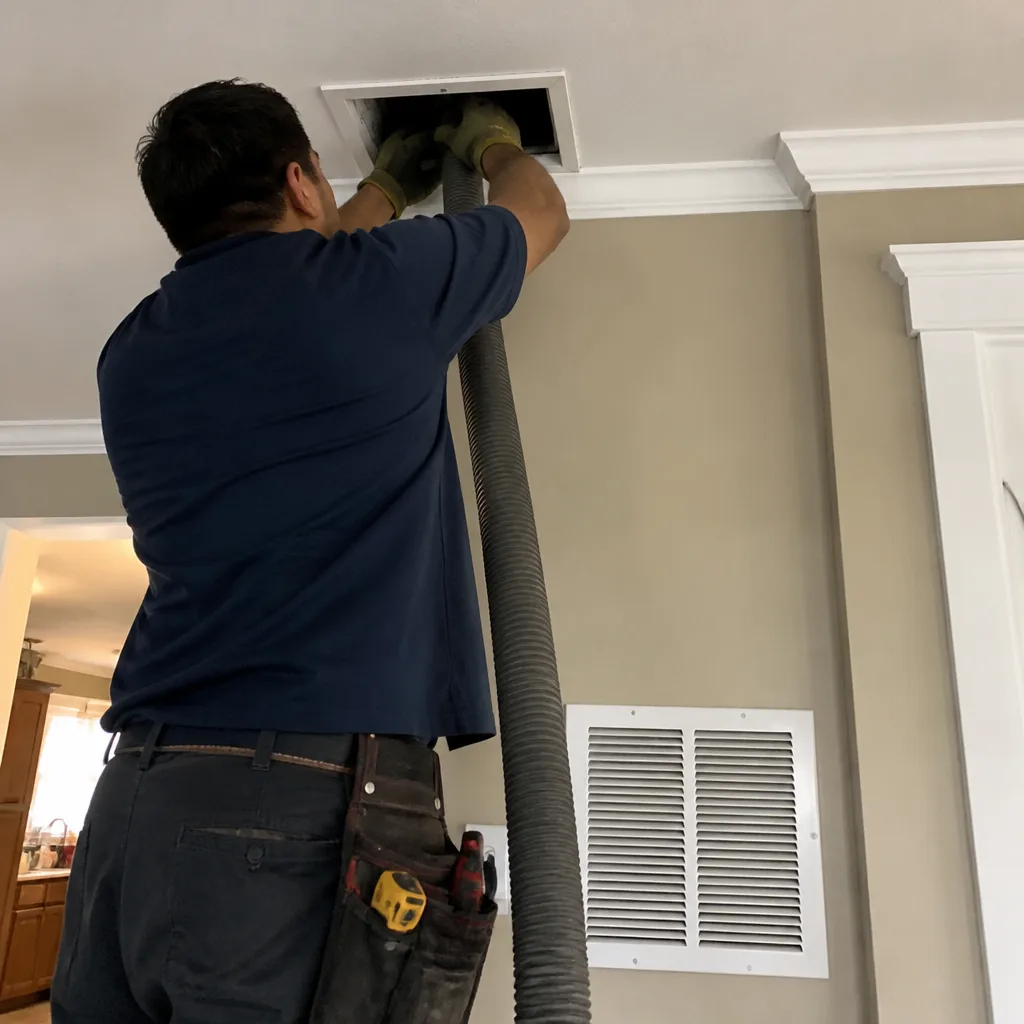
Whole-system duct and dryer vent check with before-and-after photos - you see exactly what came out of your vents
That "$99 whole-house special" is a bait ad - the real number appears once they are in your hallway, or the "clean" is a shop-vac at the register. We photograph the inside of your ducts before and after instead.
DIY vs Professional Air Duct Cleaning: The Rancho Park Homeowner’s Decision Guide
A shop vac generates roughly 100 cubic feet per minute (CFM) of suction. The portable units you can rent from home improvement stores might pull 500 CFM on a good day. Professional duct cleaning equipment, the kind we wheel into Rancho Park homes every week, runs between 5,000 and 8,000 CFM. That fifty-fold gap is not a marketing talking point. It’s physics. And it explains why the DIY conversation keeps ending the same way: a homeowner spends a Saturday with a rented vacuum, sees some dust move around, and two weeks later realizes nothing actually left the ductwork. This guide walks through the real mechanics, the honest costs, the safety lines you should not cross, and the few maintenance tasks that genuinely are DIY territory for a Rancho Park homeowner, with more guides & resources available on our blog.
Styles & brands we work with
- Whole-home duct cleaning
- Dryer vent cleaning
- Camera inspection
- Sanitizing & deodorizing
Quick Answer
In most Rancho Park homes, our Air Duct Cleaning services produce results a homeowner physically cannot replicate because consumer-grade vacuums lack the airflow (measured in CFM) to extract debris from a full duct run. What you can do yourself is limited to surface-level maintenance: register cleaning, grille washing, and frequent filter changes. The decision is less about effort and more about whether debris gets removed from the system or just stirred around inside it.
Table of Contents
- The Airflow Physics: Why CFM Is the Whole Game
- What DIY Can Legitimately Accomplish
- The Rancho Park Risk: Old Homes, Fragile Ducts, Hidden Hazards
- Honest Cost Comparison: Equipment, Time, and Outcome Quality
- How Professional Cleaning Actually Works vs. How DIY Attempts Go
- When DIY Becomes Genuinely Dangerous
- Common Mistakes to Avoid
- When to Call a Professional
- Frequently Asked Questions
- The Bottom Line
The Airflow Physics: Why CFM Is the Whole Game
Duct cleaning is not wiping. Wiping moves dust from a surface onto a cloth. Duct cleaning requires lifting particulate out of a sealed channel and conveying it through that channel to a collection point outside the living space. Lifting and conveying both scale directly with airflow volume.
Here’s what happens with a consumer vacuum attached to one register. The vacuum’s suction drops to near zero within a few feet of the opening because a 4-inch or 6-inch round duct presents enormous resistance to a motor designed for a 1.5-inch hose on a floor. You get surface agitation near the register. You get almost no extraction from the middle of the run. The dust that was resting on the bottom of the duct gets disturbed, lofted into the air stream moving through the house’s HVAC system, and redistributed. In Rancho Park homes where the register sits in a hallway ceiling, that redistributed dust lands on furniture, window sills, and bedding.
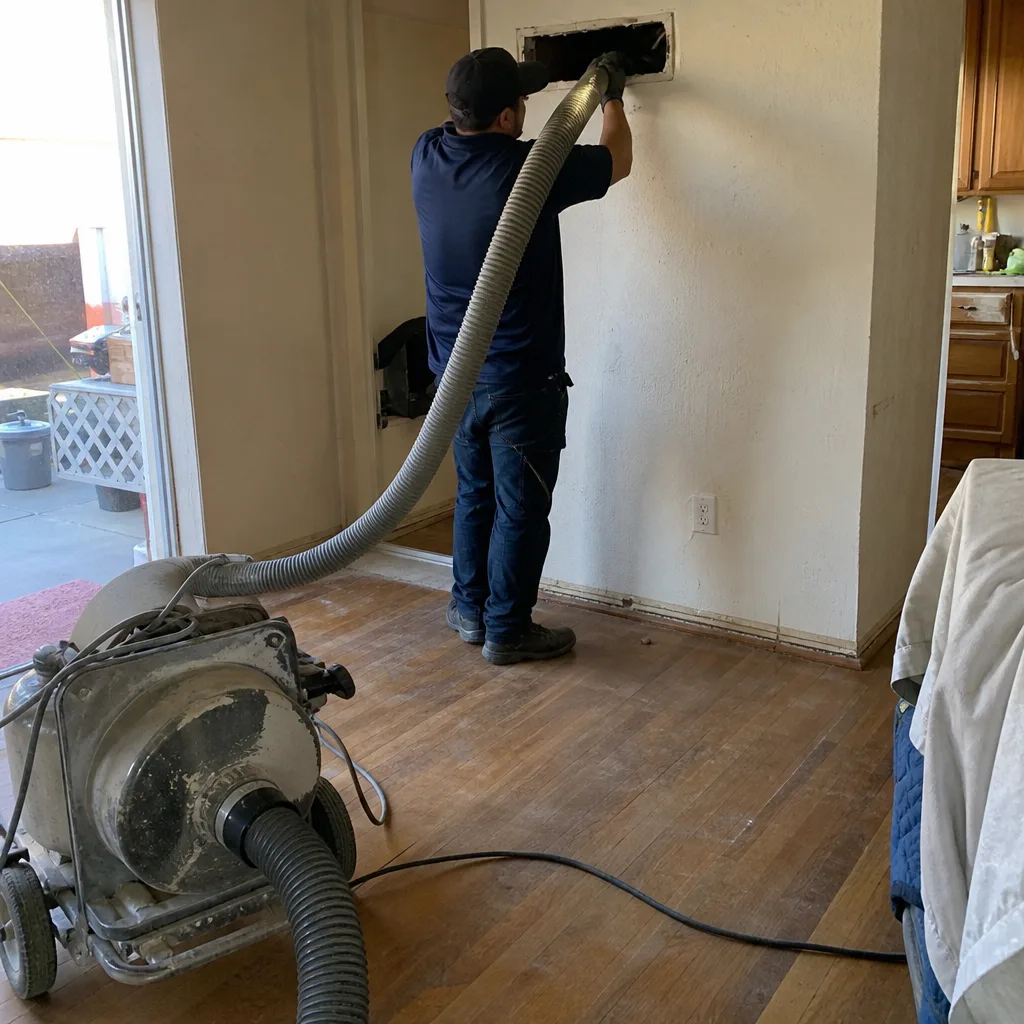
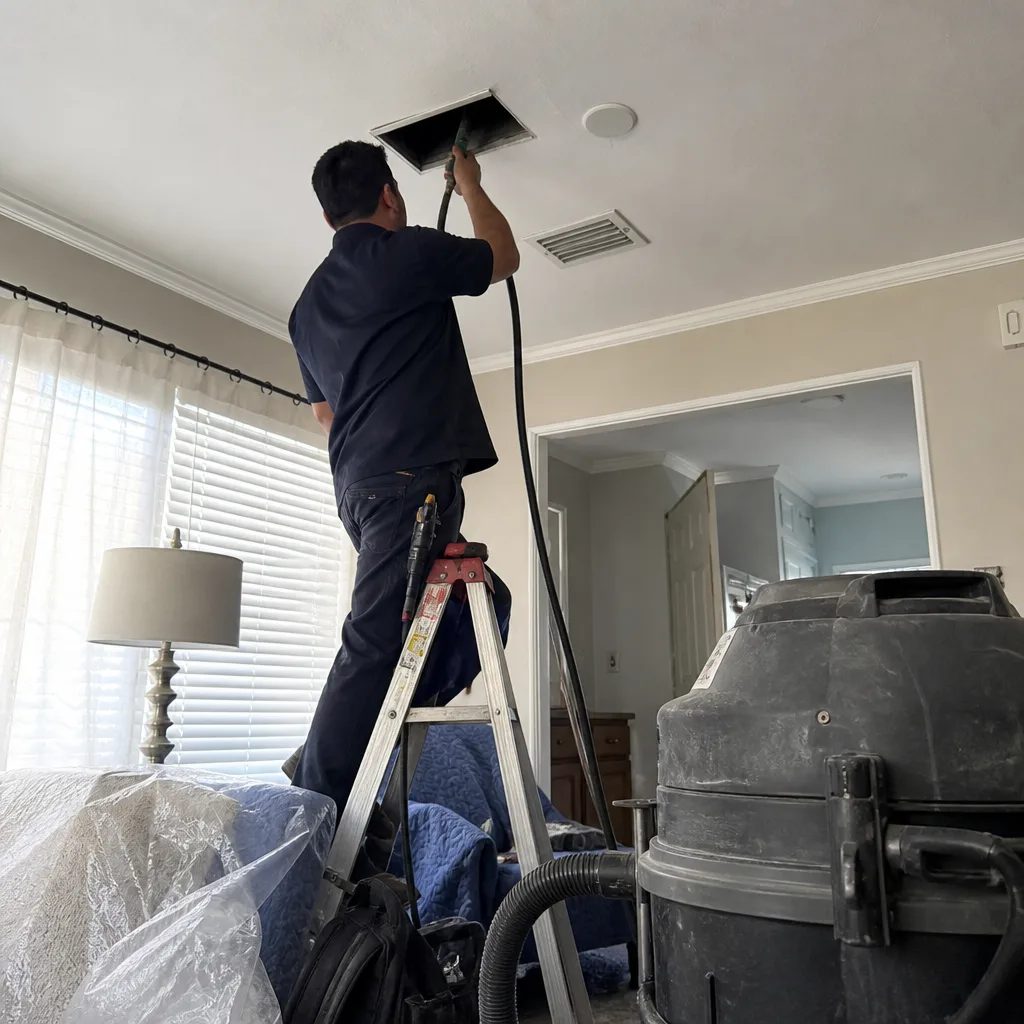
Professional systems from Rotobrush and Nikro solve the problem differently. They connect a high-powered vacuum to the main trunk line, placing the entire duct system under negative pressure. Then mechanical agitation tools (rotating brushes, air whips) loosen debris while the negative pressure pulls it out at 5,000 to 8,000 CFM. The agitation and extraction happen simultaneously. Nothing gets a chance to loft into living spaces because the system is actively pulling air out of every open register while the cleaning head works inside.
The distinction matters: DIY airflow mobilizes debris. Professional airflow mobilizes and extracts debris in the same moment. No amount of technique, patience, or repeated passes with rented equipment bridges a 50x airflow deficit.
What DIY Can Legitimately Accomplish
We’re not here to tell you that every part of duct maintenance requires a pro. That would be dishonest. There are three tasks a Rancho Park homeowner can absolutely do themselves, and we recommend doing them quarterly because they complement professional cleaning, not replace it.
1. Register and Grille Cleaning
Remove the metal registers from the floor, wall, or ceiling. Soak them in warm soapy water. Scrub the fins with a soft brush. Dry them completely before reinstalling. This removes the visible dust and pet hair that triggers the “our ducts are dirty” alarm, and it does so without touching anything inside the ductwork.
2. Return Air Filter Replacement
Find your return air grille, usually in a hallway ceiling in Rancho Park ranch homes or a tall wall in two-story builds. Replace the filter every 60 to 90 days, more often if you have pets or live near the 405 where fine particulate load is higher. A clean filter reduces what gets pulled into the return duct in the first place. Write the installation date on the filter frame with a marker.
3. Visible Surface Wipe-Down
Use a damp microfiber cloth to wipe the accessible interior surfaces of the boot (the metal transition piece behind the register) and the first inch or two of visible duct. This is surface cleaning, not system cleaning, but it reduces what re-enters the room on air currents.
These three tasks keep the visible parts of your system clean. They do not address the interior of the trunk lines, branch ducts, or plenums. That’s where the professional equipment matters.
The Rancho Park Risk: Old Homes, Fragile Ducts, Hidden Hazards
Rancho Park’s housing stock skews older. Many homes in the neighborhoods south of Pico and north of Palms were built between the 1940s and the 1970s. That matters for two reasons.
First, older ductwork is often wrapped in insulation that contains asbestos. The EPA banned asbestos-containing materials in most applications in 1989, but homes built before 1980 commonly have it, particularly in duct wrap and pipe insulation. Disturbing this material with repeated jabbing from a shop vac hose attachment can release fibers into the air you breathe. A professional crew knows what this material looks like and stops before touching it.
Second, older duct runs in Rancho Park are frequently brittle. Galvanized steel sections joined with aging tape and sealant, flex duct that’s lost its flexibility, transitions that have come loose over decades of foundation settling. Aggressive DIY attempts to snake a vacuum hose through these runs can dislodge connections, tear flex duct, or separate boots from the floor. The repair bill from a damaged duct can exceed the cost of professional cleaning several times over. We see this in our Air Duct Repair in Rancho Park work regularly after well-intentioned DIY projects go sideways.
The takeaway: older homes reward restraint. Surface maintenance is fine. Internal exploration with consumer tools is where the trouble starts.
Honest Cost Comparison: Equipment, Time, and Outcome Quality
The DIY argument usually starts with cost. Let’s look at the actual numbers for a Rancho Park homeowner considering a weekend duct cleaning project.
DIY Cost Breakdown
- Equipment rental (rotating brush + vacuum unit): $40 to $80 per day from a major home improvement store
- Consumables (cleaning solution, brushes, drop cloths, replaceable filters for the rental): $25 to $45
- Time investment: 6 to 8 hours for a first attempt on a typical 1,500 to 2,500 square foot home, including learning the equipment, accessing all registers, and cleaning up
- Realistic outcome: Surface debris near registers removed; interior trunk line debris largely untouched; some debris redistributed into living space
Professional Cost Breakdown
- Whole-system cleaning for a typical Rancho Park home: $350 to $650, depending on square footage, number of supply and return runs, accessibility, and contamination level
- Time investment for the homeowner: Zero. The crew handles everything.
- Realistic outcome: Debris extracted from the full duct run, not just register openings; no redistribution into living spaces; visible before-and-after documentation
The honest framing is not “DIY is free and professional is expensive.” The honest framing is: DIY costs $65 to $125 and produces a partial result with potential downsides. Professional cleaning costs $350 to $650 and produces a complete result with documented evidence. The question is whether the $285 to $525 difference is worth a Saturday of your time and a result you can actually verify.
For most Rancho Park homeowners we talk to, the answer shifts once they understand the airflow gap. The rental equipment simply cannot do what the commercial equipment does. Paying $65 for a partial job and a day of frustration is not savings. It’s a tax on optimism.
How Professional Cleaning Actually Works vs. How DIY Attempts Go
Here’s the step-by-step of what happens on a professional job in a Rancho Park home, contrasted with the typical DIY sequence – see How to Hire an Air Duct Cleaning Contractor in Rancho Park: A Step-by-Step Guide for choosing the right pro. The difference in process is the difference in outcome.
Professional Method
- System assessment. The technician inspects the furnace or air handler, the return side, and a sample of supply runs to establish scope, identify damage, and check for contamination that changes the approach.
- Containment setup. At Air Duct Cleaning Rancho Park home, we use Abatement Technologies negative-air units and containment barriers where needed, keeping dislodged particulate from escaping into living areas. This is the remediation standard, not the typical house-cleaning approach.
- Negative pressure connection. A high-powered vacuum unit connects to the main trunk, pulling the entire duct system under negative pressure. Every register opening becomes an inflow point, not an outflow point.
- Mechanical agitation to dislodge. Rotating brushes and air whips work through each branch run, loosening adhered dust, pet hair, and debris. The negative pressure pulls it toward the collection unit before it can escape.
- Register-by-register pass. Each supply and return opening is cleaned individually, including the boot and the first section of branch duct.
- Final verification. The technician re-inspects with a camera or visual check, confirming extraction and documenting the result.
DIY Attempt (Typical Sequence for a Rancho Park Homeowner)
- Equipment pickup and setup. An hour spent renting, transporting, and assembling unfamiliar gear.
- Register-by-register vacuuming. The homeowner connects a consumer vacuum or rental unit to each register one at a time. Between 60 and 120 minutes spent moving furniture and working through the house.
- Visual check disappointment. The homeowner realizes the vacuum only reaches a few feet into each run. Dust deeper in the trunk line is undisturbed.
- Blower stop. Some homeowners turn on the HVAC fan to “blow the dust out.” This sends accumulated debris straight into the living space through every open register.
- Post-DIY dust bloom. The house is dustier than before. The homeowner runs the HVAC more, which pulls more air through the still-dirty system, compounding the issue. This is when we get the call.
The step-by-step difference is not subtle. The professional process creates negative pressure first and agitates second. The DIY process agitates and hopes for extraction that never comes.
When DIY Becomes Genuinely Dangerous
Most of this guide has been about effectiveness: DIY doesn’t work well. But in specific scenarios, DIY duct cleaning isn’t just ineffective. It’s actively hazardous. Here’s where the line is.
Mold Contamination
If you see or smell mold around your registers, in the ducts, or near the air handler, do not try to clean it yourself. Scrubbing mold with consumer products releases spores into your air system. Without negative-pressure containment, those spores spread through the entire house. Professional mold assessment is a separate specialty. A proper duct cleaning contractor will tell you when to call a mold professional before cleaning proceeds.
Rodent Debris and Droppings
Rancho Park’s mature landscaping and older crawlspaces make rodent intrusion in ductwork a recurring issue. Rodent droppings can carry hantavirus and other pathogens. Disturbing them with a shop vac creates an airborne hazard. This material requires professional removal with appropriate PPE and containment.
Asbestos-Containing Duct Wrap
Pre-1980 Rancho Park homes frequently have asbestos-containing tape or wrap on ducts. If you see whitish, fibrous wrapping material around your ductwork, that’s a stop sign. Disturbing it can release carcinogenic fibers. This is a regulated material requiring specific handling. Leave it alone and get professional assessment.
Damaged or Disconnected Ducts
If a DIY attempt disconnects a duct joint in a crawlspace or wall cavity, your HVAC system starts conditioning that space instead of your living areas. In Rancho Park’s older homes, that means hot attic air entering the system in summer, driving your electricity bill up while rooms stay warm. We fix a steady stream of DIY-created separations through our Air Duct Repair in Rancho Park service.
The liability calculus is straightforward: a failed DIY attempt costs you a wasted Saturday. A DIY attempt that disturbs mold, rodent debris, or asbestos costs you a health risk that no amount of savings justifies.
Common Mistakes to Avoid
- Believing CFM ratings on rental equipment translate to actual duct extraction. They don’t. Rental units peak at 500 to 700 CFM, and that number drops dramatically once connected to a restricted duct run. The professional threshold starts at 5,000 CFM for a reason.
- Turning on the HVAC fan to “blow out” dust after a DIY attempt. This sends accumulated debris through the living space. You’ll spend twice as long cleaning furniture and floors as you spent on the ducts.
- Assuming no visible dust means no dust. The vast majority of duct contamination sits in the trunk lines and branch runs behind the first few feet of visible metal. If you can’t see past the boot, you can’t assess what’s there.
- Using consumer “duct cleaning kits” with brush attachments from big box stores. These are register cleaning tools marketed as duct cleaning systems. They reach 3 to 4 feet into a run and leave everything else untouched.
- Ignoring the return side entirely. Most DIYers focus on supply registers. The return side pulls air from the house to the system and is often dirtier. Skipping it leaves the contaminant source in place.
- Disturbing older duct wrap in pre-1980 Rancho Park homes. Asbestos-containing wrap is common in this housing stock. Any fibrous material around ducts should be left alone and professionally assessed.
- Treating duct cleaning as a once-a-decade event. NADCA recommends cleaning every 3 to 5 years for most homes, more frequently with pets, smokers, or recent renovation. Rancho Park’s older homes with mature landscaping often need service on the shorter end of that range.
When to Call a Professional
Call a professional duct cleaning service when you see any of these signals: visible dust accumulation around register openings that returns within days of cleaning, musty or stale odors coming from the vents when the HVAC runs, unexplained dust buildup on surfaces despite regular cleaning, allergy symptoms that worsen when the system operates, evidence of rodent activity near ducts or in the crawlspace, or renovation work that introduced drywall dust and construction debris into the system. Air Duct Cleaning Rancho Park offers free estimates in Rancho Park. Call (855) 974-1911 to schedule an assessment.
Frequently Asked Questions
Professional air duct cleaning in Rancho Park typically runs $350 to $650 for a whole-home system, depending on square footage, number of supply and return runs, accessibility, and contamination level. Older homes with crawlspace access or asbestos-containing components may run higher due to the care required. Call (855) 974-1911 for an exact quote, estimates are free.
DIY air duct cleaning is not worth it for interior ductwork because consumer equipment lacks the extraction airflow (5,000+ CFM) needed to remove debris from full duct runs. DIY is appropriate for register cleaning, grille washing, and filter replacement, which are surface-level tasks that complement professional cleaning.
You can rent rotating brush units from some home improvement stores, but these machines top out around 500 to 700 CFM and connect at single registers. They cannot replicate the negative-pressure whole-system extraction that Rotobrush and Nikro commercial equipment delivers. The rented machines improve on shop vacs but remain far below professional capability.
Ask for documentation. A professional Air Duct Cleaning in Rancho Park company should provide before-and-after photos or video from inside the ducts, a written scope of work, and a list of what was cleaned. If a company refuses photo evidence, treat that as a red flag. You cannot verify cleaning by looking at the exterior of your registers.
The low-quote duct cleaning market in Los Angeles operates on a bait-and-switch model. Companies advertise a $79 or $99 whole-house price, then discover “mold,” “damage,” or “extra return runs” once on site and invoice five to ten times the quote. We quote one flat price per system before work starts and do not change the number unless the scope genuinely changes and you approve it in advance.
Every 3 to 5 years is the standard recommendation for most Rancho Park homes. Homes with shedding pets, smokers, recent renovation work, or residents with allergy or respiratory conditions should lean toward every 3 years. Homes near busy roads like Pico or Palms Boulevard with higher particulate load may also need more frequent service.
Professional air duct cleaning removes accumulated dust, pollen, pet dander, and other allergens that recirculate through the HVAC system every time it runs. For Rancho Park residents with dust mite or pollen sensitivities, a professionally cleaned system reduces allergen load and can meaningfully improve indoor air quality. Pairing cleaning with better filtration from Honeywell or Aprilaire-compatible systems provides longer-term benefit.
Air duct cleaning addresses the HVAC supply and return ductwork that moves conditioned air through your home. Dryer Vent Cleaning in Rancho Park addresses the separate exhaust duct that carries hot, lint-laden air from your clothes dryer to the exterior. Both are important for different reasons: air ducts for indoor air quality, dryer vents for fire prevention. Lint accumulation is the leading cause of dryer fires.
The Bottom Line
In Rancho Park, the DIY vs. professional duct cleaning decision comes down to airflow physics more than budget. Consumer vacuums and rental units generate a fraction of the CFM required to extract debris from a full duct system, which means DIY attempts typically disturb contamination without removing it, sometimes making indoor air quality worse. What homeowners can do, register cleaning, grille washing, filter replacement, is genuinely useful and complements professional cleaning. But the internal work on a Rancho Park home’s duct system, especially in older properties with fragile components or hazardous materials, belongs with professionals who use purpose-built equipment. The savings from DIY are measured in tens of dollars. The costs of doing it wrong are measured in air quality, HVAC efficiency, and sometimes health.
Written by the team at Air Duct Cleaning Rancho Park, serving Rancho Park since 2014.
See the difference
 Before
 After
 Before
 After
 Before
 After