
Last updated November 3, 2026
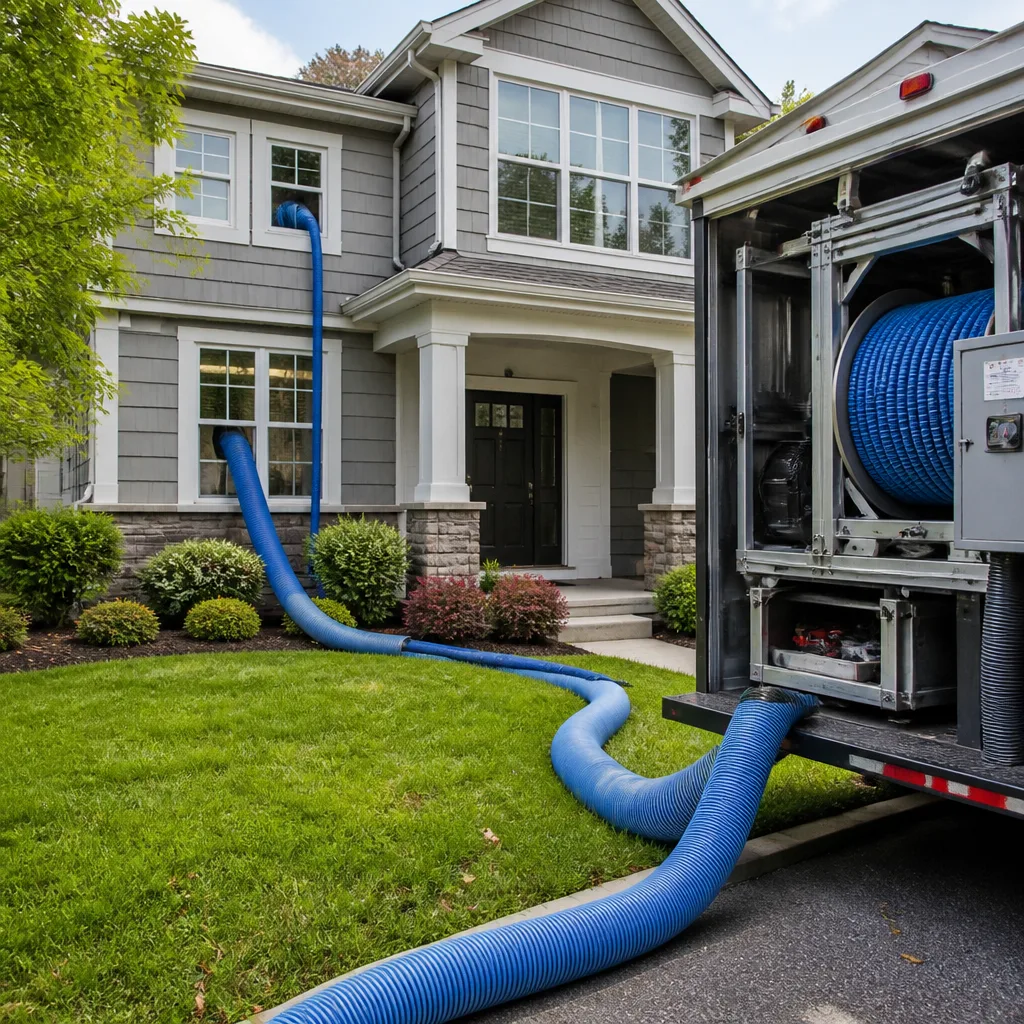 Whole-home duct cleaning
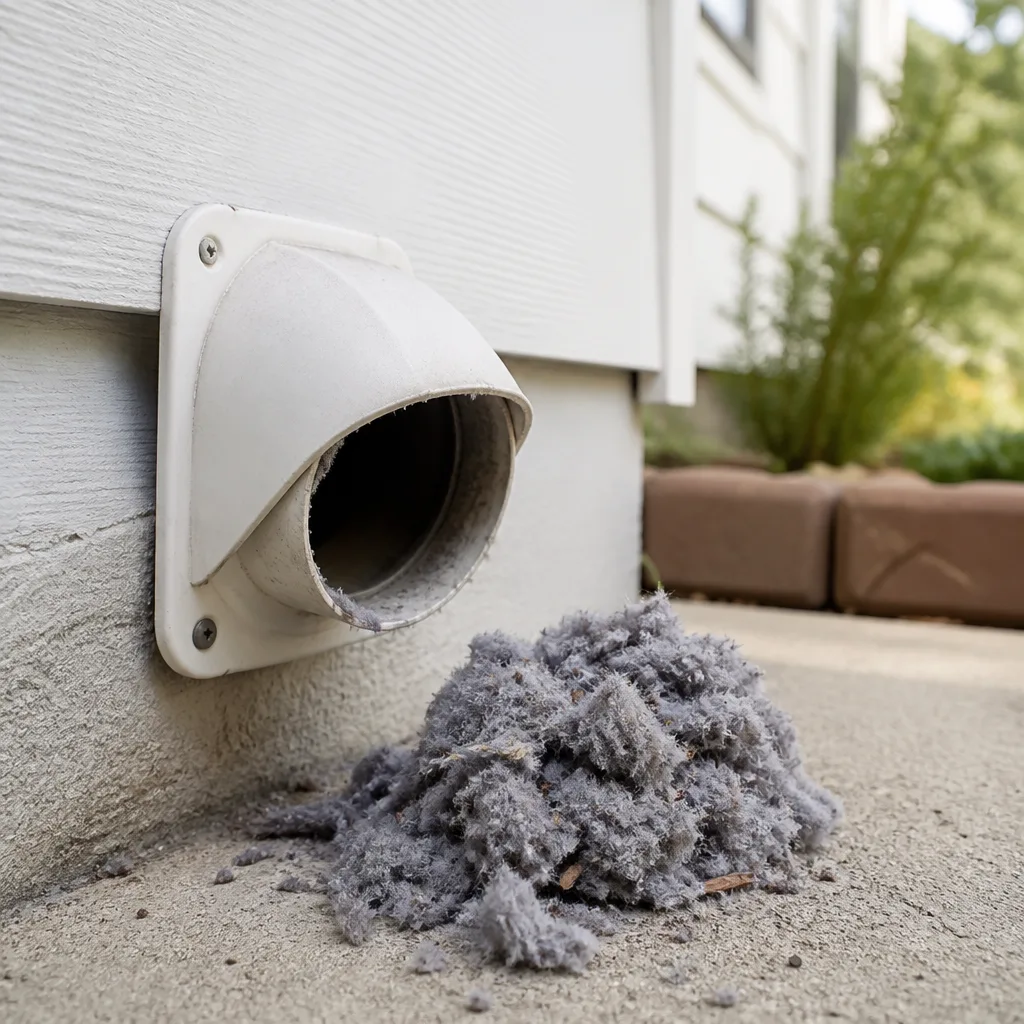 Dryer vent cleaning
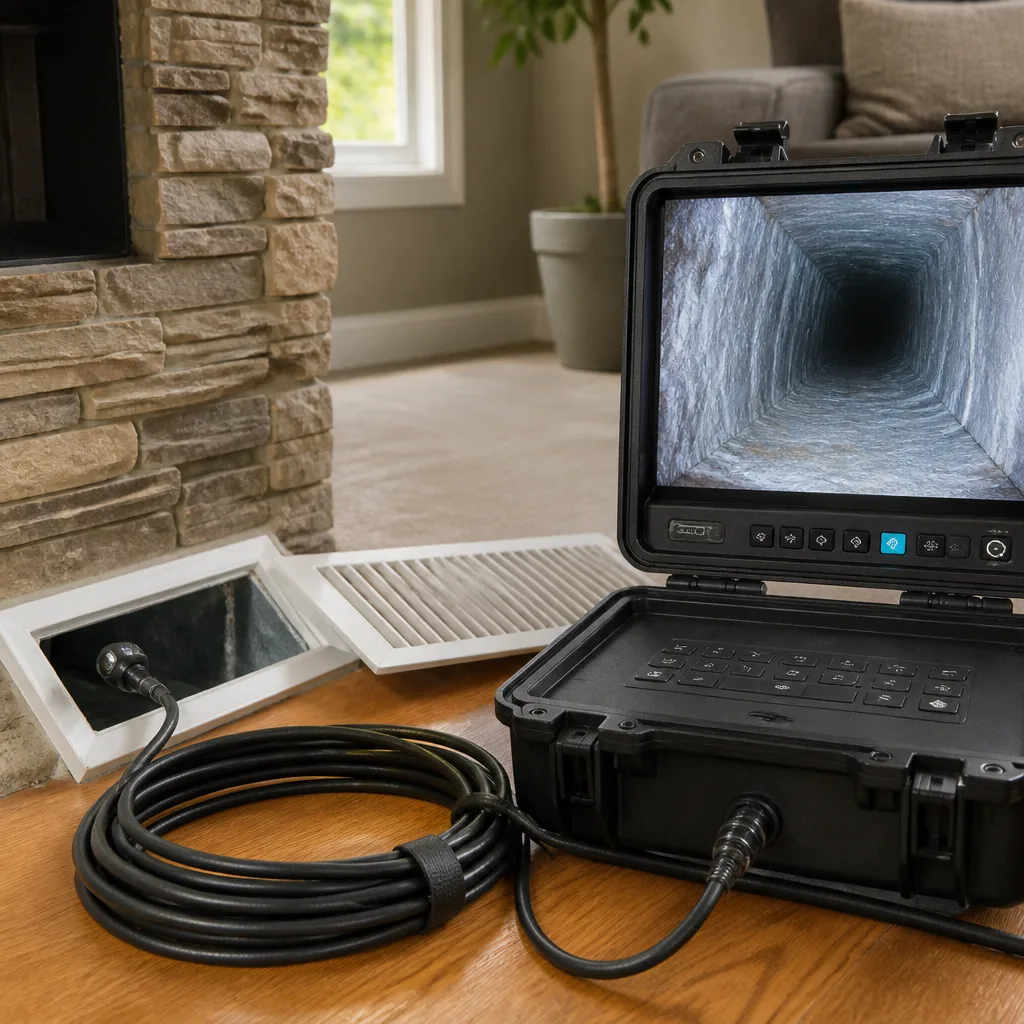 Camera inspection
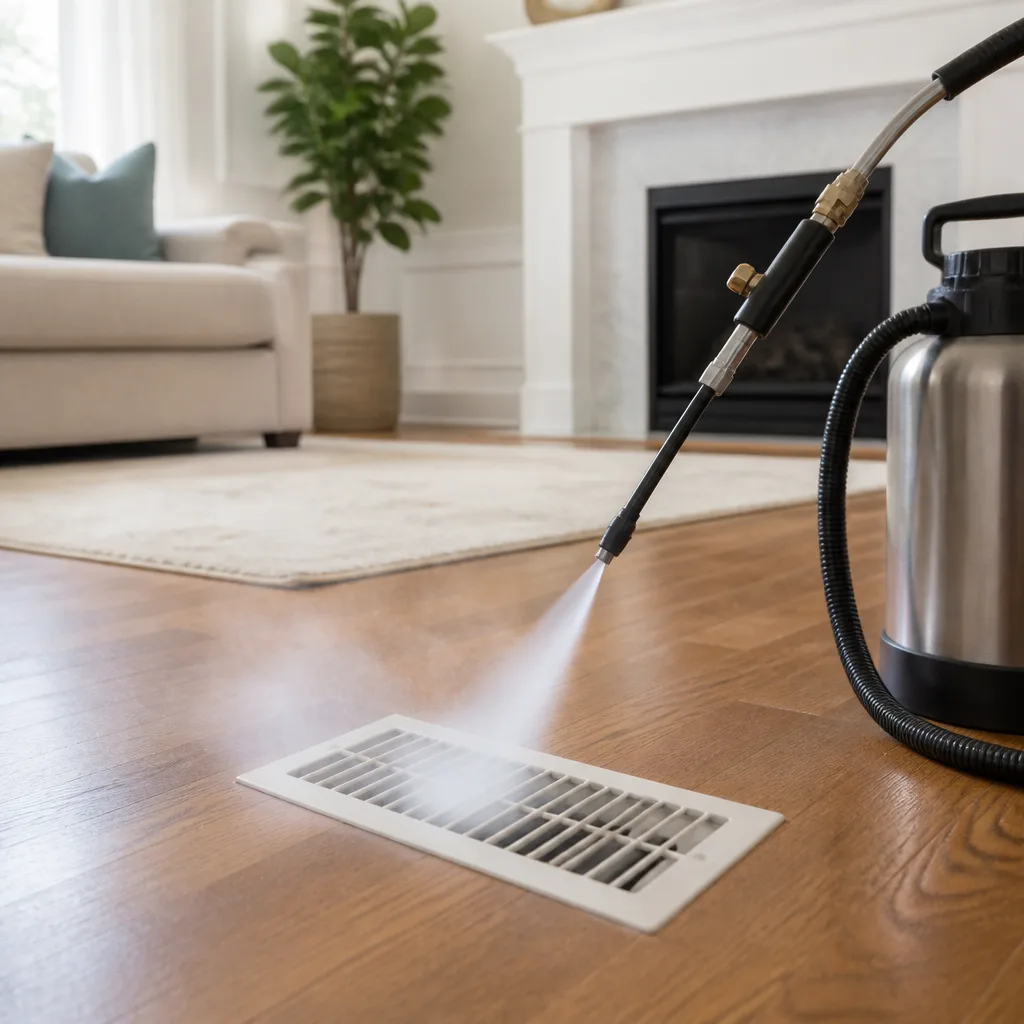 Sanitizing & deodorizing
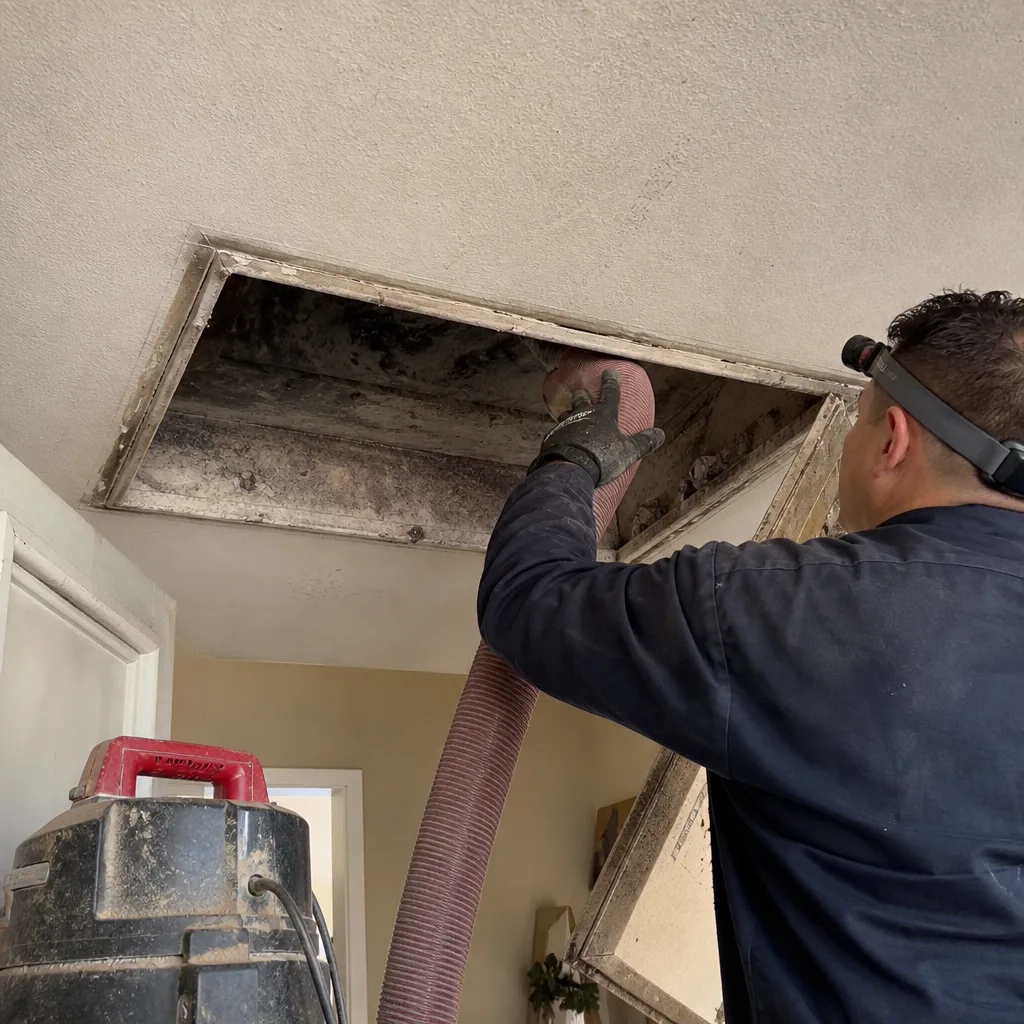
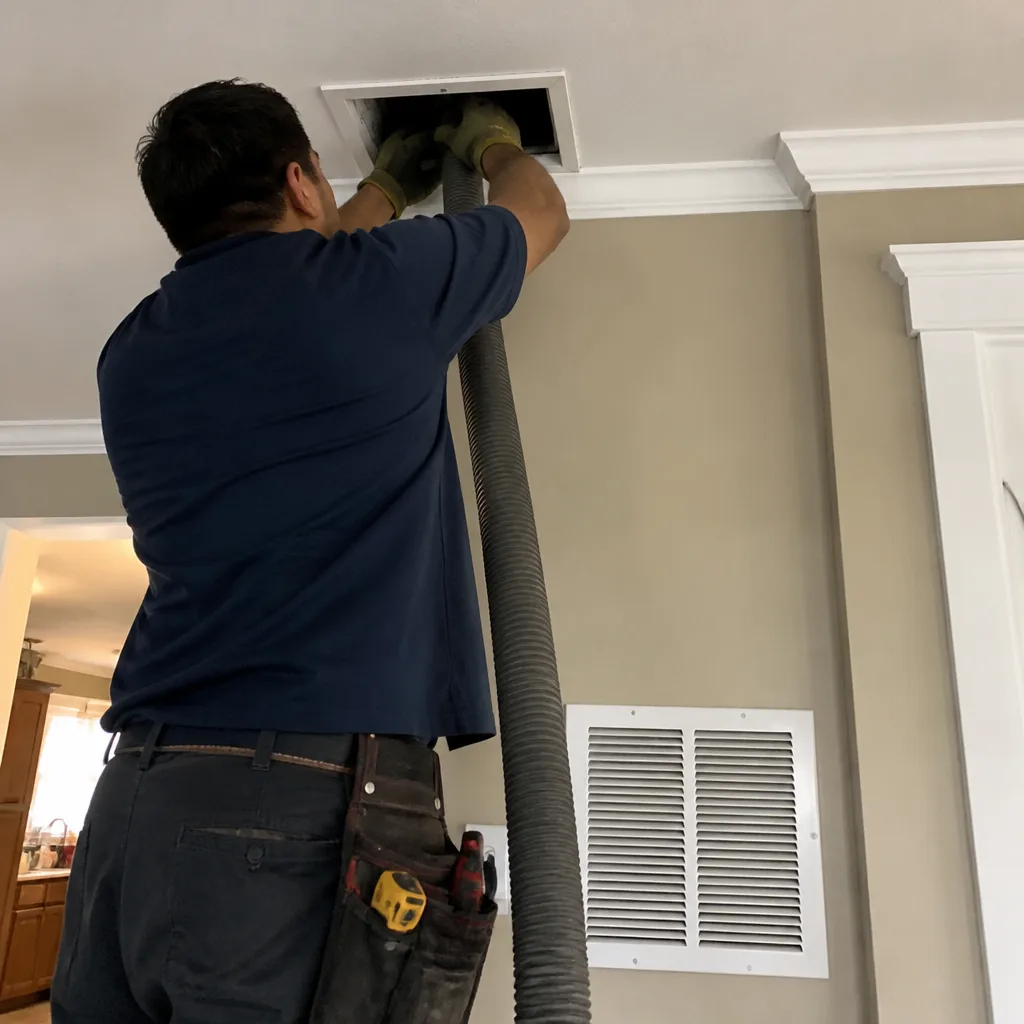
Whole-system duct and dryer vent check with before-and-after photos - you see exactly what came out of your vents
That "$99 whole-house special" is a bait ad - the real number appears once they are in your hallway, or the "clean" is a shop-vac at the register. We photograph the inside of your ducts before and after instead.
Choosing the Right Air Duct Cleaning Brand: A Buyer’s Guide for Rancho Park
Here’s a counterintuitive fact most Rancho Park homeowners don’t realize: in residential air duct cleaning, the “brand” that matters is not the name on the side of the van. It’s the name on the equipment inside it. A franchise logo tells you nothing about suction capacity, filtration standards, or whether the debris removed from your ducts will be contained or redistributed through your living room. What separates a legitimate specialist from a fly-by-night operator is the equipment manufacturer they trust and can explain in detail. Our Air Duct Cleaning services use the real brands that matter: the Rotobrush and Nikro cleaning systems, the Honeywell and Aprilaire filtration products, and the containment protocols that determine whether the job is done right. By the end, you’ll know exactly what questions to ask before anyone touches your system in Rancho Park.
Styles & brands we work with
- Whole-home duct cleaning
- Dryer vent cleaning
- Camera inspection
- Sanitizing & deodorizing
Quick Answer
The right air duct cleaning brand in Rancho Park is not a franchise name but a combination of proven equipment manufacturers: Rotobrush or Nikro for cleaning systems, Abatement Technologies for containment, and Honeywell or Aprilaire for filtration products. A qualified contractor should be able to name their equipment, explain its specifications, and tell you why they chose it. If they can’t answer those questions, the brand on the van doesn’t matter.
Table of Contents
- The Equipment Brands That Actually Matter
- Rotobrush vs. Nikro: What the Difference Means for Your Home
- Honeywell and Aprilaire: The Filtration and IAQ Brands Worth Knowing
- Containment Equipment: The Brand That Keeps Dirt From Spreading
- Dryer Vent Cleaning Equipment: Rotary Brush vs. Air Whip for Rancho Park Homes
- Air Duct Repair Products: What Goes Inside Your Ducts After Cleaning
- How to Ask About Equipment and Interpret the Answer
- Common Mistakes to Avoid
- When to Call a Professional
- Frequently Asked Questions
- The Bottom Line
The Equipment Brands That Actually Matter
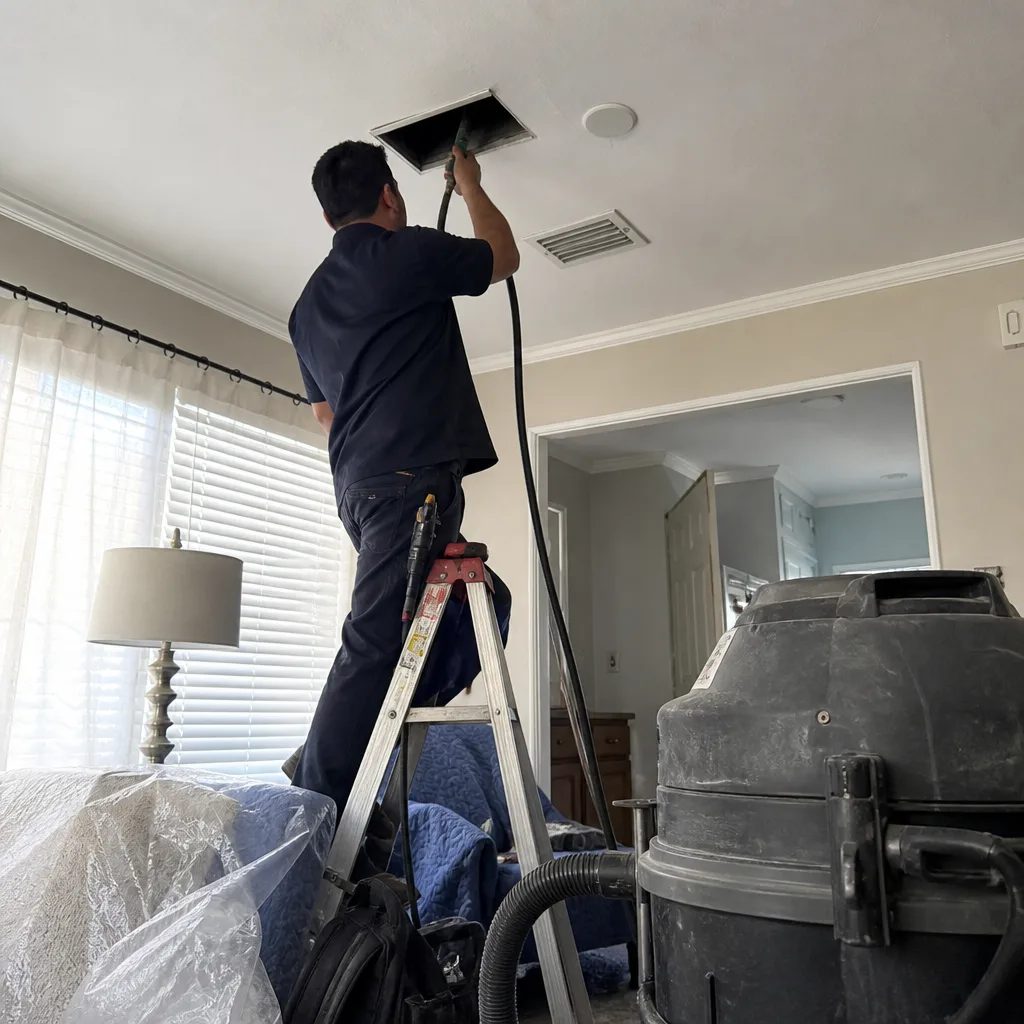
When a company says they use “professional-grade equipment,” the meaningful follow-up question is which equipment manufacturer. Because that determines actual suction capacity, filtration, and what happens to what gets extracted. It’s not a trivial distinction. Consumer-grade shop vacuums generate maybe 100 to 150 cubic feet per minute of airflow. Professional duct cleaning systems from Rotobrush and Nikro generate well over 1,000 CFM, sometimes approaching 2,000 CFM depending on the model and configuration. That difference in raw suction is what dislodges years of accumulated dust, pet dander, and construction debris from duct walls rather than just skimming the surface.
In Rancho Park, where many homes date from the 1940s through the 1960s and may have never had their ducts cleaned, this distinction is especially relevant. Older duct systems often have accumulated particulate that has compacted over decades. Surface-level agitation from inadequate equipment simply won’t move it. A proper professional system combines high-velocity air movement with powered brush agitation, which scrubs the duct interior while the negative air pressure pulls loosened debris out of the system entirely.
The key manufacturers in the professional residential duct cleaning space are Rotobrush, Nikro, and to a lesser extent SpinVax and a handful of commercial-grade competitors. Rotobrush’s system uses a rotating brush combined with simultaneous vacuum extraction in a single pass. Nikro offers multiple configurations, including air sweep systems that use compressed air to dislodge debris while high-CFM vacuums capture it. These are the brands that industrial hygienists and remediation contractors specify when they need to document that a duct system has been cleaned to measurable standards. That’s not a coincidence. These systems are designed for verifiable results, not just visible improvement.
Our company uses Rotobrush and Nikro systems because they meet the standard we’d want in our own homes. We clean ducts. That’s it. And we’re very good at it. The Air Duct Cleaning in Rancho Park service we provide relies on this equipment because it’s what allows us to deliver repeatable results on jobs ranging from modest single-family homes to light commercial spaces.
Rotobrush vs. Nikro: What the Difference Means for Your Home
Both Rotobrush and Nikro are respected names in professional duct cleaning, but they approach the job differently. Understanding the practical difference helps you evaluate any contractor you’re considering. Rotobrush systems use a spinning brush head that physically scrubs the duct walls while a built-in vacuum extracts loosened material simultaneously. The brush rotates at high speed, agitating debris that has adhered to duct surfaces over years. This is particularly effective on the interior surfaces of flexible ducts, which are common in Rancho Park homes where additions and retrofits were common during the post-war building boom.
Nikro’s approach often involves air sweep technology. Compressed air nozzles blast the interior of the ductwork to dislodge particulate, while an extremely high-CFM negative air machine, positioned at a collection point, captures the loosened debris. This method is especially effective in larger diameter trunk lines and in systems with long straight runs. Some Nikro configurations also include mechanical brush heads for situations where air sweep alone isn’t sufficient.
What matters for a homeowner is not which brand is “better” in the abstract. It’s whether the contractor knows when each tool is appropriate and can explain that reasoning. A duct system with multiple small-diameter branch lines benefits from Rotobrush’s brush agitation at the point of contact. A large, heavily soiled main trunk benefits from Nikro’s high-volume air sweep and capture. A professional who owns both systems and can articulate why they’re choosing one approach over another for your specific home demonstrates a level of expertise that matters. A contractor who shows up with a single rented portable unit and vague descriptions like “the big machine” is telling you something entirely different.
For homeowners researching this topic, the practical takeaway is this: the equipment brand is a proxy for capability, but the contractor’s fluency with that equipment is the real indicator of competence. That’s why we maintain both Rotobrush and Nikro systems. It lets us match the tool to the specific condition of the duct system in front of us, rather than forcing one approach onto every job. You can learn more about our approach on the Air Duct Cleaning Rancho Park home page.
Honeywell and Aprilaire: The Filtration and IAQ Brands Worth Knowing
Duct cleaning is only one component of whole-home air quality. Once the system is clean, the next consideration is what happens to the air moving through it afterward. This is where Honeywell and Aprilaire enter the conversation. These are household-trusted air quality brands with decades of documented engineering behind their products. Honeywell is widely recognized for its filtration products: media cabinets, electronic air cleaners, and whole-home filters rated at MERV 11 or higher. Aprilaire specializes in whole-home air purification systems, dehumidifiers, and high-efficiency media filters designed to work in conjunction with existing HVAC systems.
Why does this matter when you’re hiring a duct cleaning company? Because a duct cleaner who is familiar with these product lines can assess your current filtration setup and identify whether it’s actually doing its job. Many Rancho Park homes have a standard one-inch fiberglass filter in a slot by the furnace, which catches large particles but does almost nothing for finer particulate like pollen, mold spores, or fine dust. Those particles recirculate through the ducts, which means they settle back into the system after cleaning.
A specialist who works with Honeywell and Aprilaire products can recommend upgrades that make the cleaning last longer. A media cabinet upgrade, for example, increases the surface area of the filter, improving particle capture while reducing static pressure drop across the system. That’s a technical way of saying the system doesn’t have to work as hard to move air through a better filter. These are the kinds of recommendations that separate an air duct specialist from a generalist HVAC shop that happens to offer duct cleaning as a sideline.
We don’t list Honeywell and Aprilaire products because the names sound impressive. We know these product lines well enough to evaluate what’s currently installed, explain the compatibility implications of a filtration upgrade, and make honest recommendations that hold up. That knowledge extends beyond the duct system to whole-home filtration and indoor air quality. It’s part of what we mean when we say we’re Honeywell and Aprilaire compatible, your whole-home air quality covered.
Containment Equipment: The Brand That Keeps Dirt From Spreading
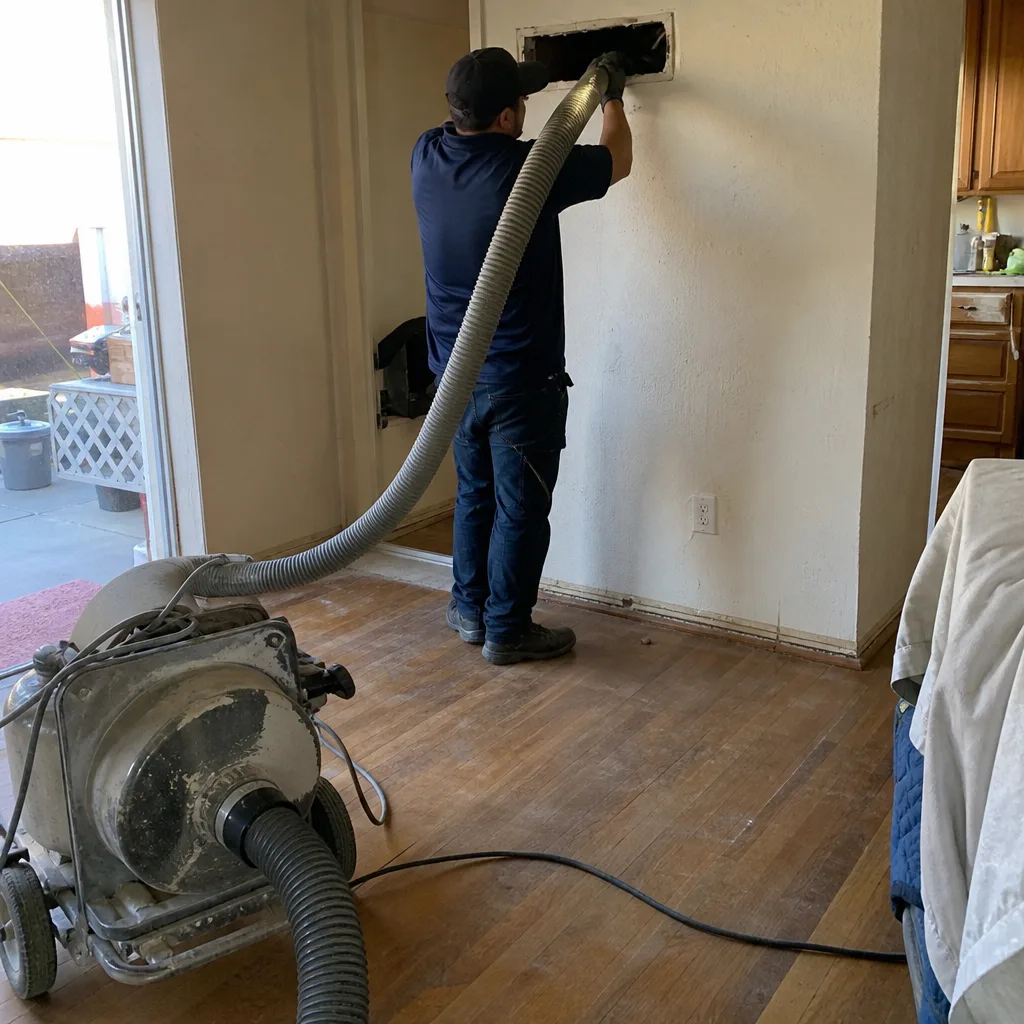
Here’s a question most homeowners never think to ask: what happens to the dirt once it’s been dislodged from the ducts? The answer depends entirely on whether the contractor uses containment and negative-air equipment. A legitimate professional uses containment systems to create a controlled work zone and negative-air machines to ensure that air pressure inside the duct system is lower than the surrounding space. That pressure differential is what keeps dislodged particulate from escaping into the home during the cleaning process.
Abatement Technologies is the brand we use for containment and negative-air equipment on every job. This is the same equipment specified by remediation contractors and industrial hygienists for work involving mold, asbestos, lead dust, and other hazardous materials. The implication is significant: if this equipment is trusted for hazardous material containment, it’s more than adequate for the routine particulate that accumulates in residential duct systems.
Without proper containment, duct cleaning can actually make indoor air quality worse. The agitation of cleaning loosens material that has been sitting undisturbed. If that material isn’t captured immediately at the point of extraction, it can escape into the living space. A homeowner who notices more dust in the house after a duct cleaning has likely experienced this exact failure. The contractor didn’t use proper containment. The debris wasn’t captured. The air in the home got worse, not better.
This is a point where brand matters in a very direct way. Abatement Technologies is a recognized name in air handling and containment. Its negative-air machines are built to move large volumes of air through HEPA filtration continuously for hours, which is exactly the duty cycle of a thorough residential duct cleaning. Using this equipment signals a remediation-level standard of care, even on a residential job. It’s one of the reasons we’ve invested in it. Every job gets the same containment protocol, whether it’s a 1,200-square-foot bungalow or a larger property.
Dryer Vent Cleaning Equipment: Rotary Brush vs. Air Whip for Rancho Park Homes
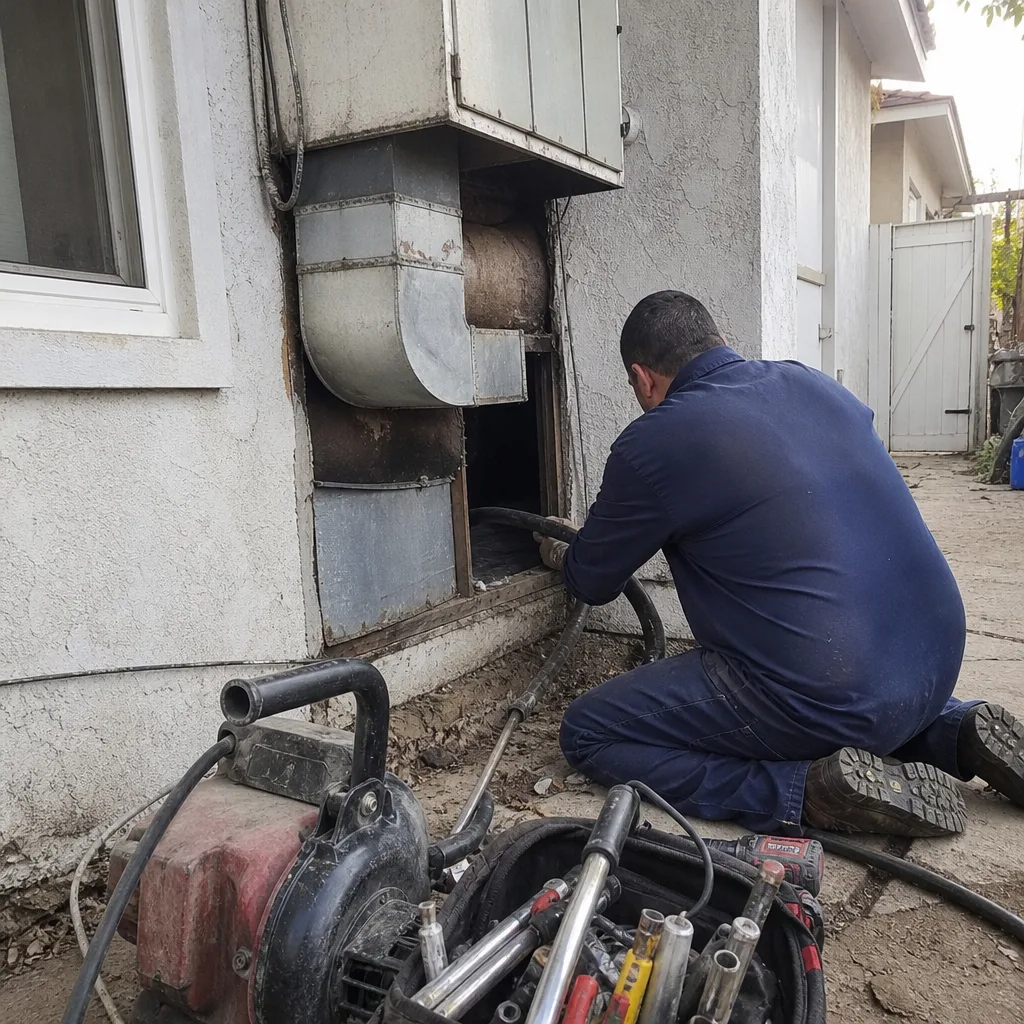
Dryer vent cleaning is a dedicated service, not an afterthought. And the equipment distinction matters here as much as it does for HVAC ducts. Most professional dryer vent cleaning equipment falls into two categories: rotary brush systems and air whip systems. The right choice depends on the vent configuration in the specific home, and Rancho Park’s housing stock makes this a particularly relevant consideration.
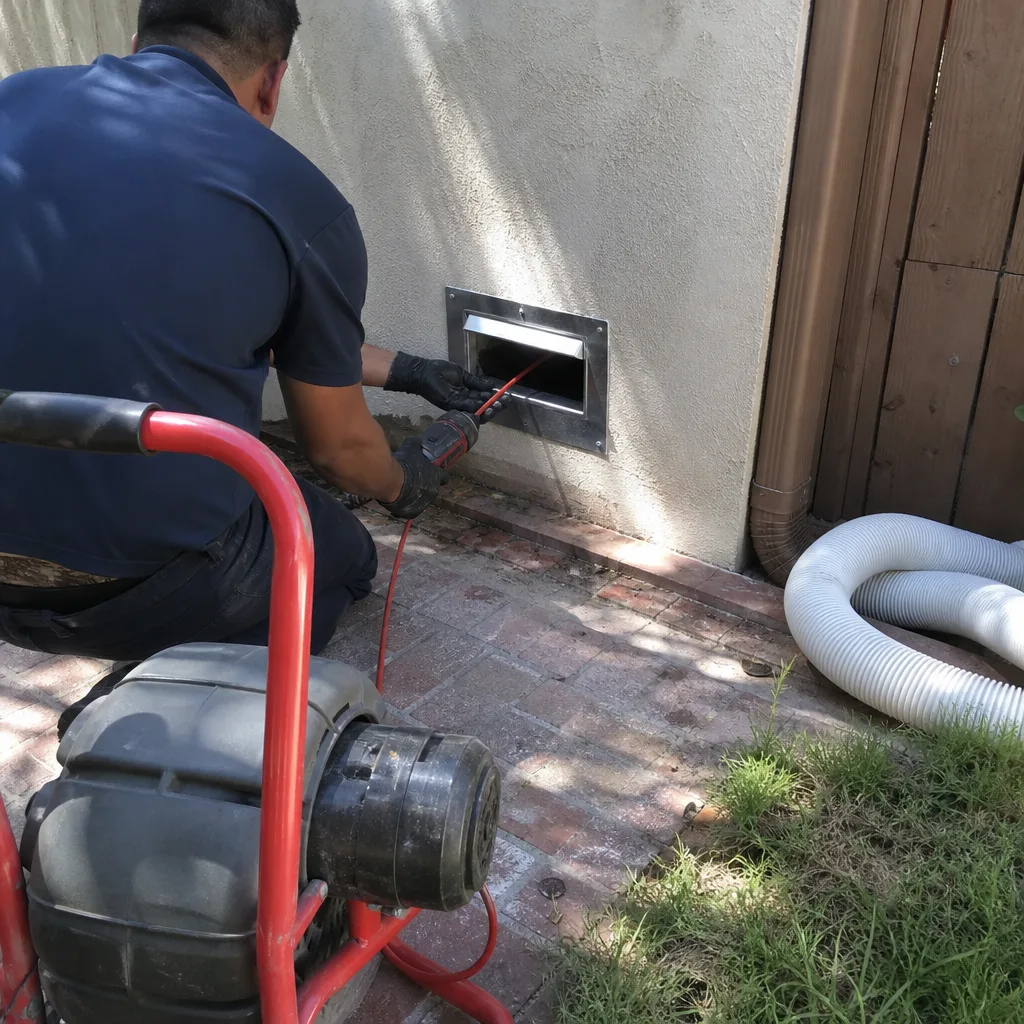
Rotary brush systems use a flexible rod spinning at moderate speed with brush heads at the end. The brushes are sized to the diameter of the vent, typically 4 inches for residential installations. As the rod advances through the vent, the brush dislodges lint that has adhered to the interior walls. The rod is then retracted, bringing the loosened debris back out. This method is reliable for rigid metal vent configurations, which are increasingly common in newer construction and in homes where older vents have been replaced to meet current fire safety codes.
Air whip systems take a different approach. They use a compressed air nozzle that releases bursts of air at high pressure, blowing lint forward through the vent until it exits at the termination point outside. The nozzle is designed to prevent damage to the vent walls. This method is particularly effective for long vent runs and for configurations with moderate bends where the lint accumulates in pockets. It’s a common choice in Rancho Park homes where the laundry is in a garage or interior room and the vent run is longer than the code-mandated maximum for new construction.
Both methods work. The expertise lies in matching the tool to the vent. A contractor who only owns a rotary brush system may struggle with a long, convoluted run. A contractor who only uses air whips may not achieve the same lint removal on a short, straight rigid vent. The professional answer is to carry both and assess each vent individually. We offer Dryer Vent Cleaning in Rancho Park as a standalone fire-risk-reduction service, and we use both rotary and air whip systems depending on what the specific vent configuration requires.
Air Duct Repair Products: What Goes Inside Your Ducts After Cleaning
Cleaning a duct system reveals its condition. Cracks, holes, disconnected joints, and crimped sections become visible once the accumulated debris is removed. If those problems aren’t addressed, the cleaning provides only a temporary improvement. Air leaks around damaged sections will pull dust from attics, crawlspaces, and wall cavities right back into the system. This is why a proper air duct specialist offers repair alongside cleaning, not as an optional add-on but as an integrated service.
Air Duct Repair involves materials that most homeowners have never heard of, and shouldn’t need to. Mastic sealant, which is applied with a brush or trowel and hardens to create a permanent airtight seal. Foil-backed butyl tape, used for joints and small seams. Flexible duct sections for replacing crushed or degraded runs. Sheet metal components for trunk line repairs. Each material has a specific application, and knowing which to use where is part of the specialist’s job.
In Rancho Park, the age of many homes means that duct deterioration is common. Flexible ducts installed in the 1980s and 1990s have plastic liners that degrade over time, especially in the unconditioned attics where summer temperatures routinely exceed 130 degrees. Rigid metal ducts from mid-century construction often show rust at joints and seam separations. A legitimate contractor is prepared to identify these conditions and repair them as part of the service, not leave them behind and move on to the next job. Our Air Duct Repair in Rancho Park service addresses exactly these conditions, providing a complete in-duct solution rather than stopping at surface-level results.
How to Ask About Equipment and Interpret the Answer
This is the section that will save you from hiring the wrong contractor. Here’s a numbered process for evaluating any duct cleaning company’s equipment claims before you book. Use it on the phone, in email, or during an in-home estimate.
- Ask what cleaning system they use, by manufacturer name. A knowledgeable specialist will say “Rotobrush” or “Nikro” without hesitating. A vague answer like “professional-grade equipment” or “the same tools the big companies use” is a red flag. If they can’t name the equipment, they may not own it. They may be renting a portable unit for the day.
- Ask about suction capacity. Professional systems generate over 1,000 CFM. If the person on the phone doesn’t know what CFM stands for or can’t tell you their system’s rating, that’s telling. The same equipment used by industrial hygienists, in your home, should have specific, knowable specifications.
- Ask about containment. The correct answer is “we use negative-air containment on every job.” If they say they use “drop cloths” or “plastic sheeting” without mentioning negative air, the debris being dislodged during cleaning may not be safely captured. Ask if they use Abatement Technologies equipment or an equivalent HEPA-filtered negative-air machine.
- Ask about dryer vent tools. If you’re also booking dryer vent cleaning, ask whether they use a rotary brush, an air whip, or both. A specialist who carries both can explain the difference and when each is appropriate. If they only have one method, ask how they handle long runs or rigid versus flexible vent configurations.
- Ask about air duct repair capability. A legitimate specialist will be able to assess and repair minor duct damage discovered during cleaning. If the company says they only clean and can’t touch anything else, you may end up with a clean but still-leaking system. Repair what’s broken, clean what’s dirty, protect the air in between.
- Ask if the equipment is company-owned or rented. A contractor who owns their equipment has invested in it, maintained it, and knows how to troubleshoot it. A contractor who rents a machine for the day is running a transaction, not maintaining a professional capability. Owned commercial-grade tools are a meaningful differentiator.
In our experience, the contractors who welcome these questions are the ones worth hiring. The ones who get defensive or vague are revealing something important. A specialist who knows their equipment can talk about it for hours. A generalist who bought a franchise name can’t.
Common Mistakes to Avoid
- Hiring based on the franchise name alone. A national brand name on a van tells you about marketing, not about the equipment inside the van or the person operating it. Ask the equipment questions regardless of the name on the door.
- Falling for per-vent pricing. Reputable companies quote whole-system pricing, not a teaser rate per vent that balloons once the technician arrives. If a quote is structured around a per-vent figure, expect the final invoice to be far larger.
- Ignoring the containment question. How a contractor handles debris capture is the difference between a cleaner home and a dustier one. Negative air containment is not optional for proper residential duct cleaning.
- Treating duct cleaning and dryer vent cleaning as the same service. They use different equipment, require different techniques, and address different risks. A company that offers both should treat them as separate services, not a bundled afterthought.
- Assuming old Rancho Park ducts are fine because they’ve never been cleaned. The age of the housing stock in this area means many systems have decades of accumulated particulate. Years of deferred maintenance don’t make a system cleaner; they make the cleaning more necessary and the equipment choice more important.
- Skipping the repair assessment. Clean ducts with leaks still pull dirty air from unconditioned spaces. Any proper duct cleaning should include an assessment of duct condition and the ability to repair what’s found.
- Choosing the cheapest quote without asking why it’s cheaper. Equipment quality, containment protocols, and repair capability all cost money to maintain. A significantly lower price usually means something was left out: containment, proper extraction, or the time required to do the job correctly.
When to Call a Professional
Duct cleaning is not a DIY project. The equipment costs alone put it beyond reasonable household investment, and the access challenges of residential duct systems make amateur attempts ineffective at best and damaging at worst. Disconnected joints caused by clumsy access can create air leaks that didn’t exist before. Improper agitation without adequate extraction can release concentrated particulate into the living space. These are jobs for trained professionals with remediation-grade equipment and the experience to use it correctly.
If you’ve noticed visible dust accumulation on vent covers shortly after cleaning, persistent musty odors from the registers, or declining airflow in certain rooms, a professional assessment is warranted. Air Duct Cleaning Rancho Park offers free estimates in Rancho Park. Call (855) 974-1911 to schedule an evaluation.
Frequently Asked Questions
Rotobrush and Nikro are the two most established manufacturers of professional residential duct cleaning systems. Both generate the high suction and powered agitation required to actually remove accumulated debris, rather than just dislodging it. The best choice for a specific home depends on the duct configuration, which is why a professional should own and understand both systems.
Expect to pay between $450 and $900 for a whole-system cleaning of a typical single-family home in Rancho Park, with larger homes or heavily soiled systems running higher. Legitimate companies quote whole-system pricing rather than per-vent rates. Call (855) 974-1911 for an exact quote based on your home’s specific system. Estimates are free.
Ask for before-and-after photos of your duct interiors, taken with the same type of inspection camera before and after cleaning. A legitimate contractor documents the work. You should also be able to see a reduction in visible dust accumulation in the weeks following cleaning and no increase in household dust during the cleaning itself, which indicates proper containment.
No. Dryer vents require specialized tools: rotary brush systems or air whip systems sized to the 4-inch vent diameter. Air ducts require a different system designed for the larger trunk and branch lines of HVAC ductwork. A contractor should have separate equipment for each service and be able to explain the difference.
We serve Rancho Park and the surrounding areas. Our team works throughout the neighborhoods between Pico Boulevard and the Cheviot Hills corridor, including the streets near Rancho Park Golf Course. Call (855) 974-1911 to confirm service in your specific location and schedule a free estimate.
For most homes in Rancho Park, a professional cleaning every 3 to 5 years is adequate, depending on occupancy, pet ownership, and renovation history. Homes with multiple pets, recent construction, or residents with respiratory sensitivities may benefit from more frequent service. A visual inspection can determine whether your specific system needs attention now.
The Bottom Line
The Complete Air Duct Cleaning Guide for Rancho Park Homeowners explains why choosing the right air duct cleaning brand means understanding that the meaningful brands are equipment manufacturers, not franchise names. Rotobrush and Nikro set the standard for cleaning systems. Abatement Technologies defines proper containment. Honeywell and Aprilaire represent the filtration products that keep the cleaned system performing. Ask direct questions about equipment, containment, and repair capability. Hire a specialist who owns commercial-grade tools, can explain their specifications, and treats dryer vent cleaning as a dedicated service rather than an upsell. The right contractor brings the same tools used by industrial hygienists into your home and knows exactly how to use them.
Written by the team at Air Duct Cleaning Rancho Park, serving Rancho Park since 2014.
See the difference
 Before
 After
 Before
 After
 Before
 After