
Last updated November 2, 2026
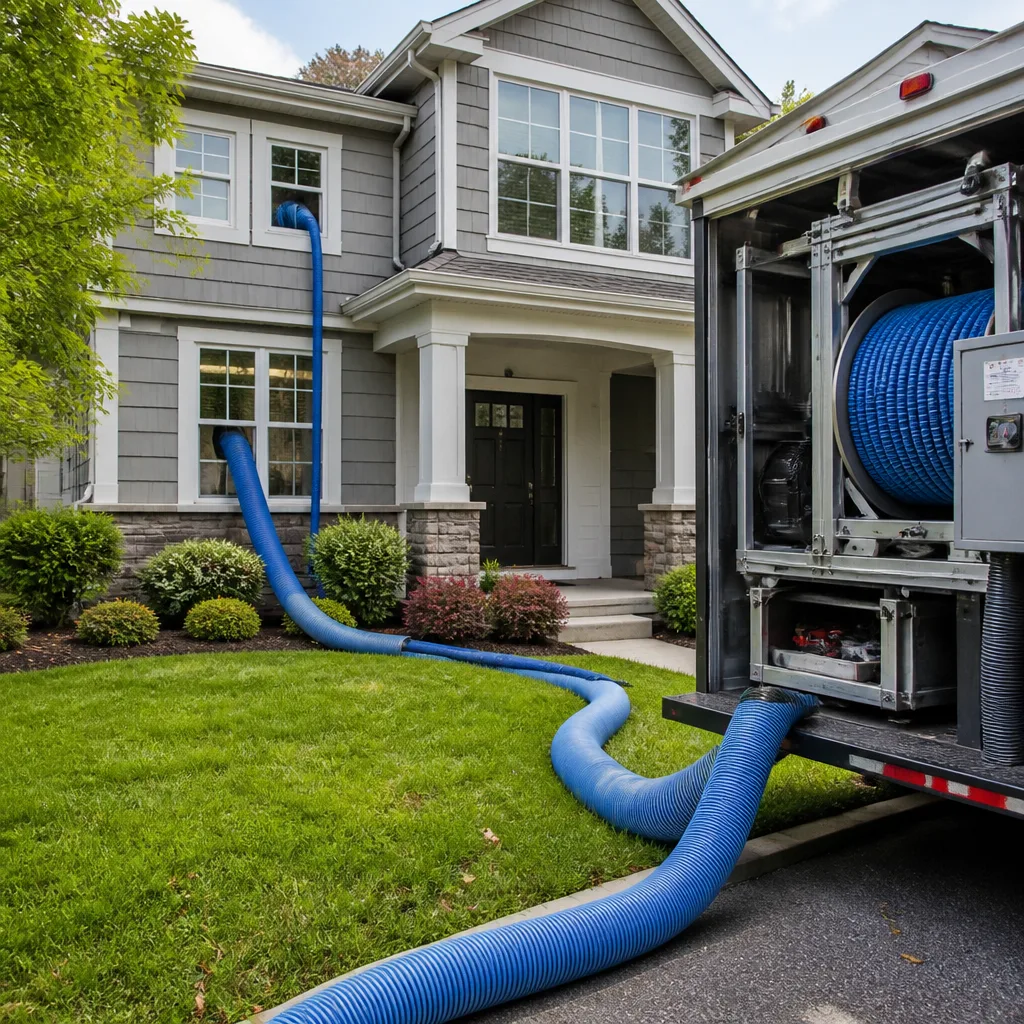 Whole-home duct cleaning
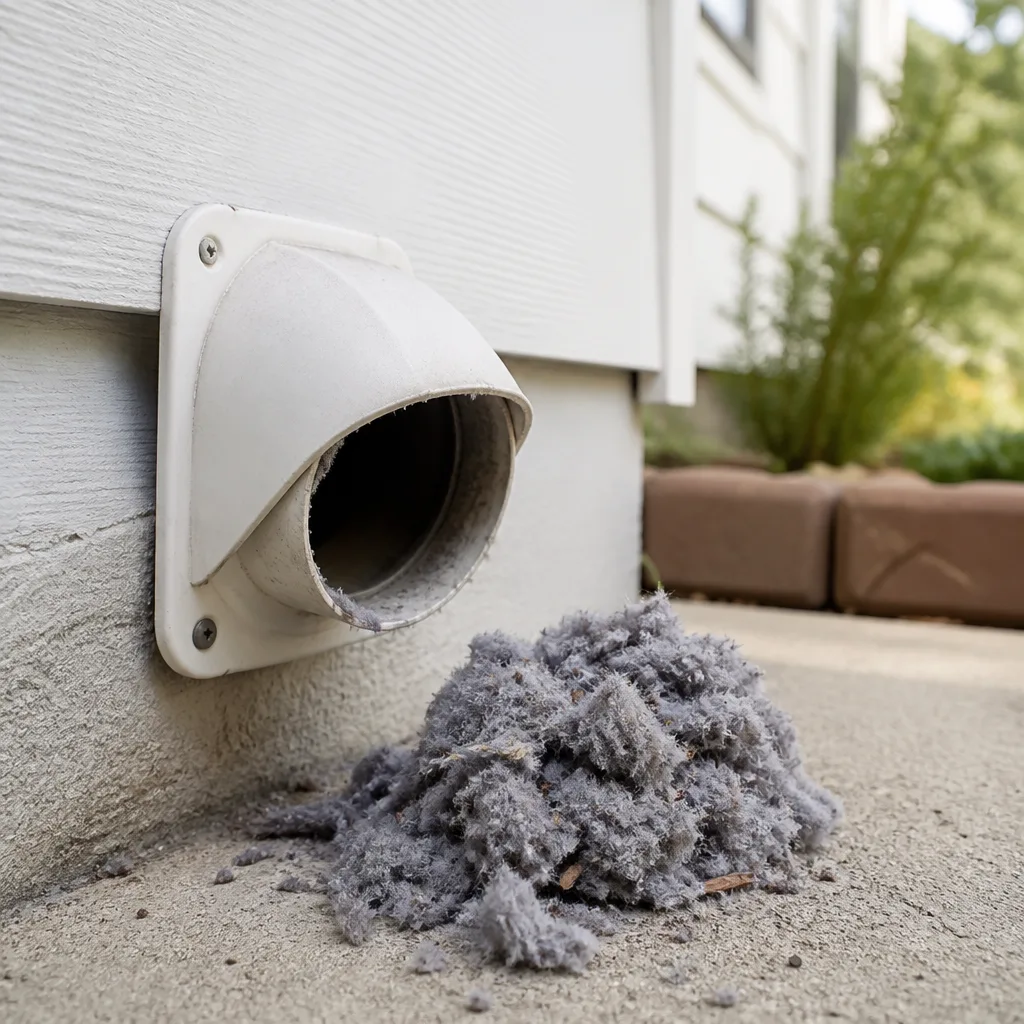 Dryer vent cleaning
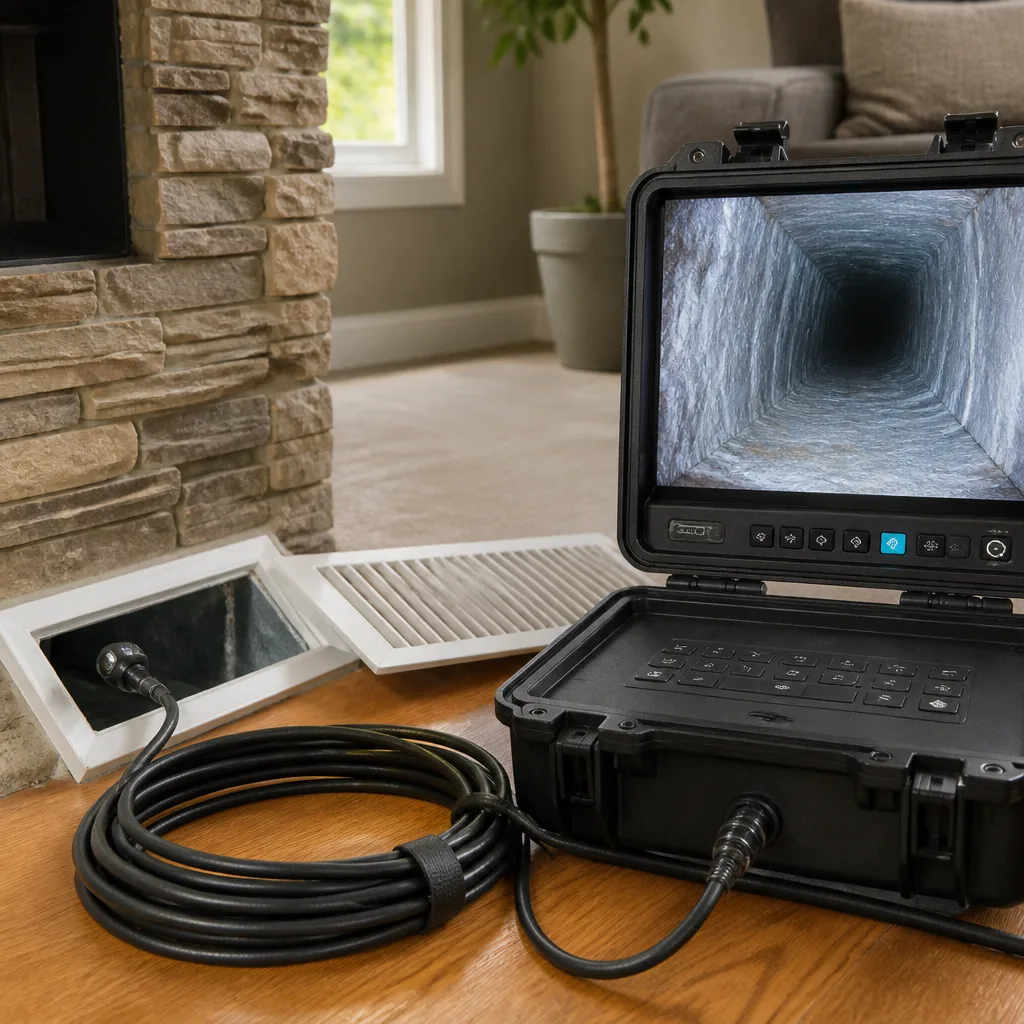 Camera inspection
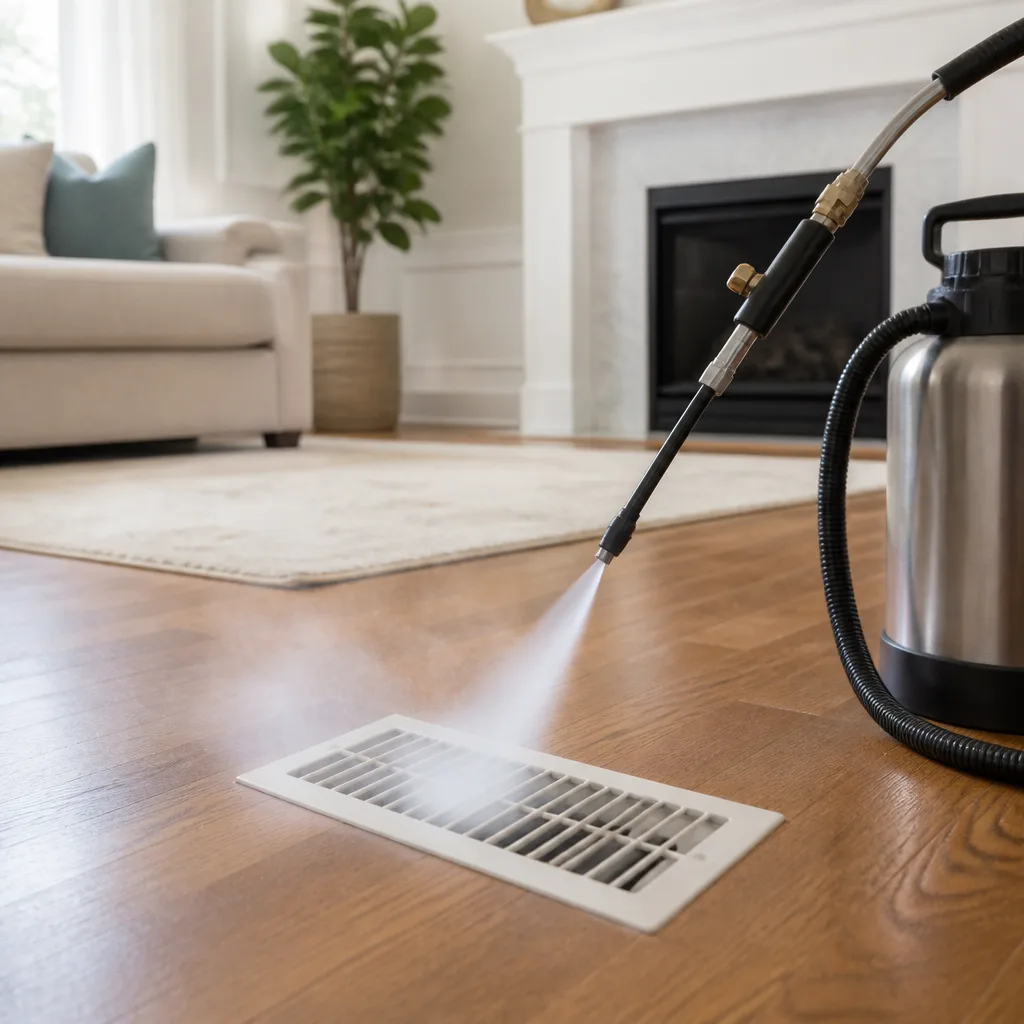 Sanitizing & deodorizing
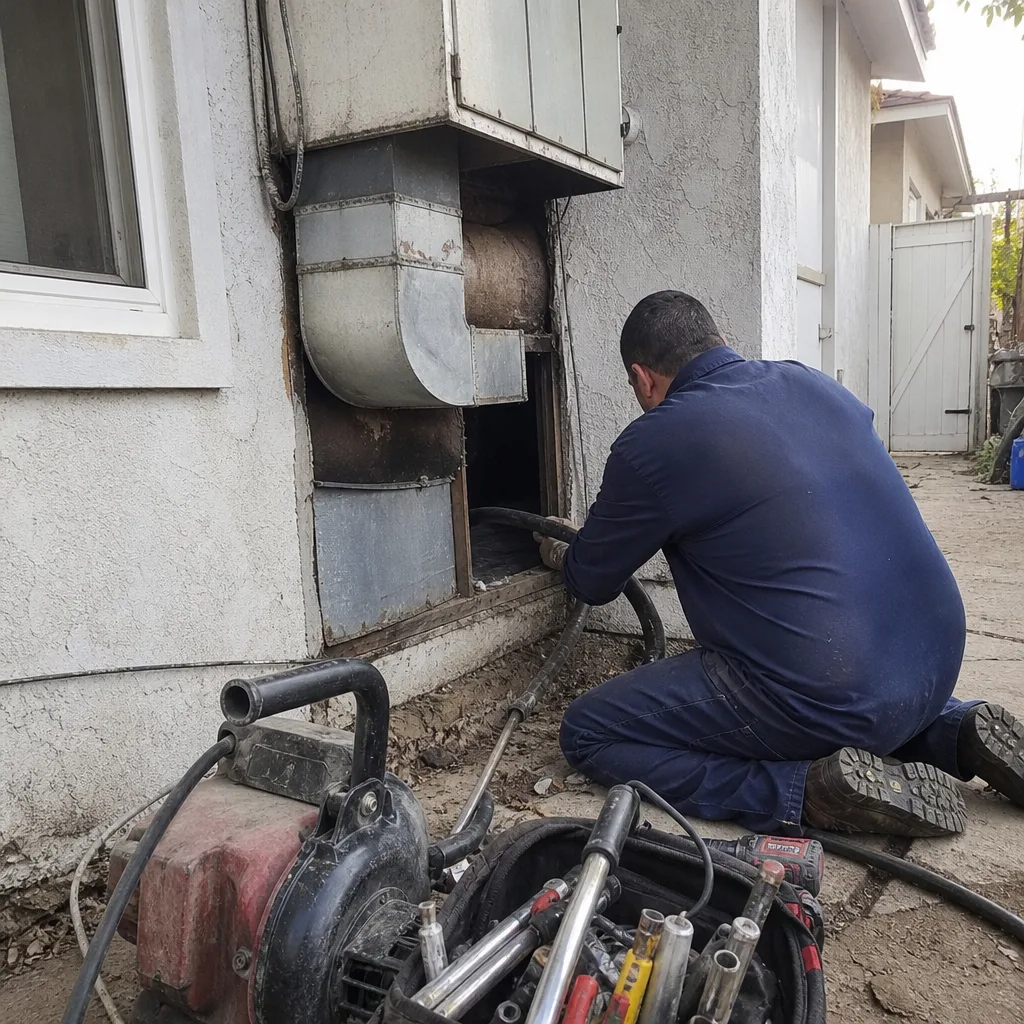
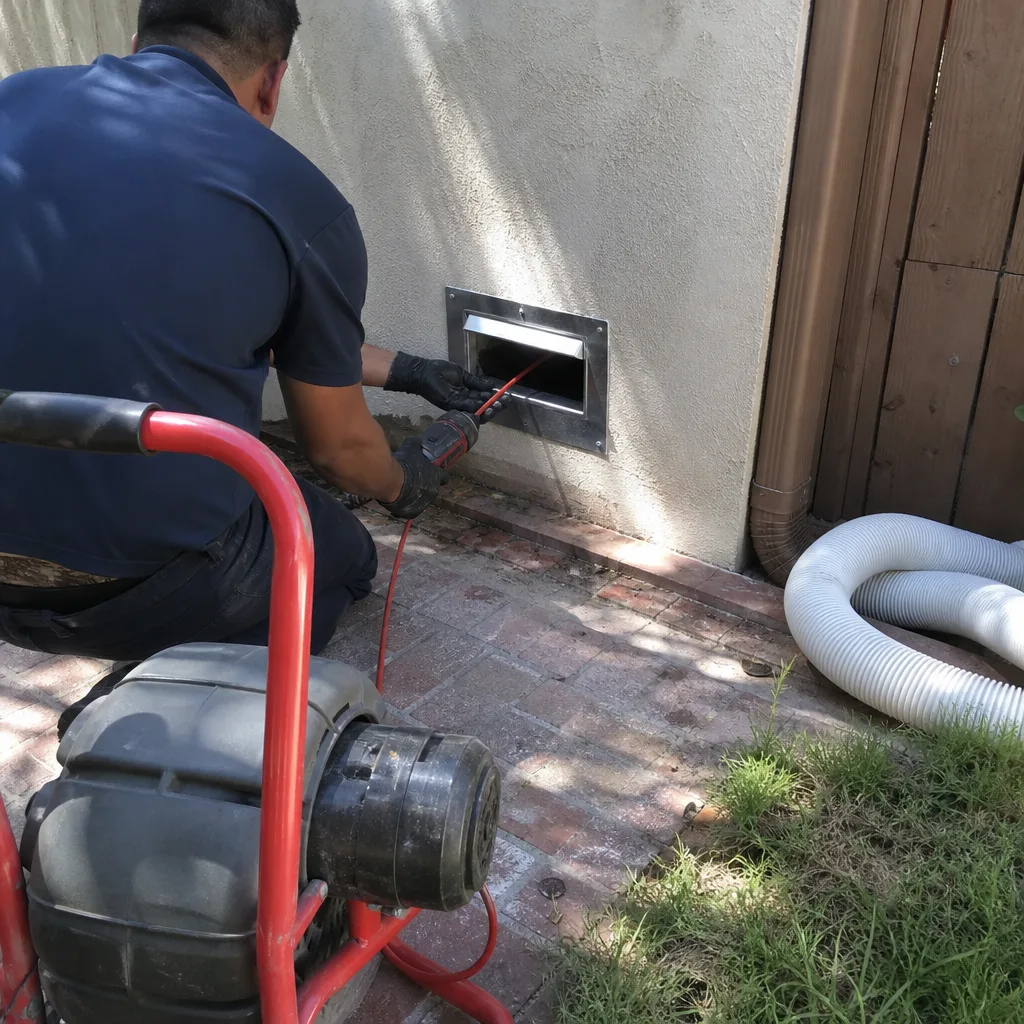
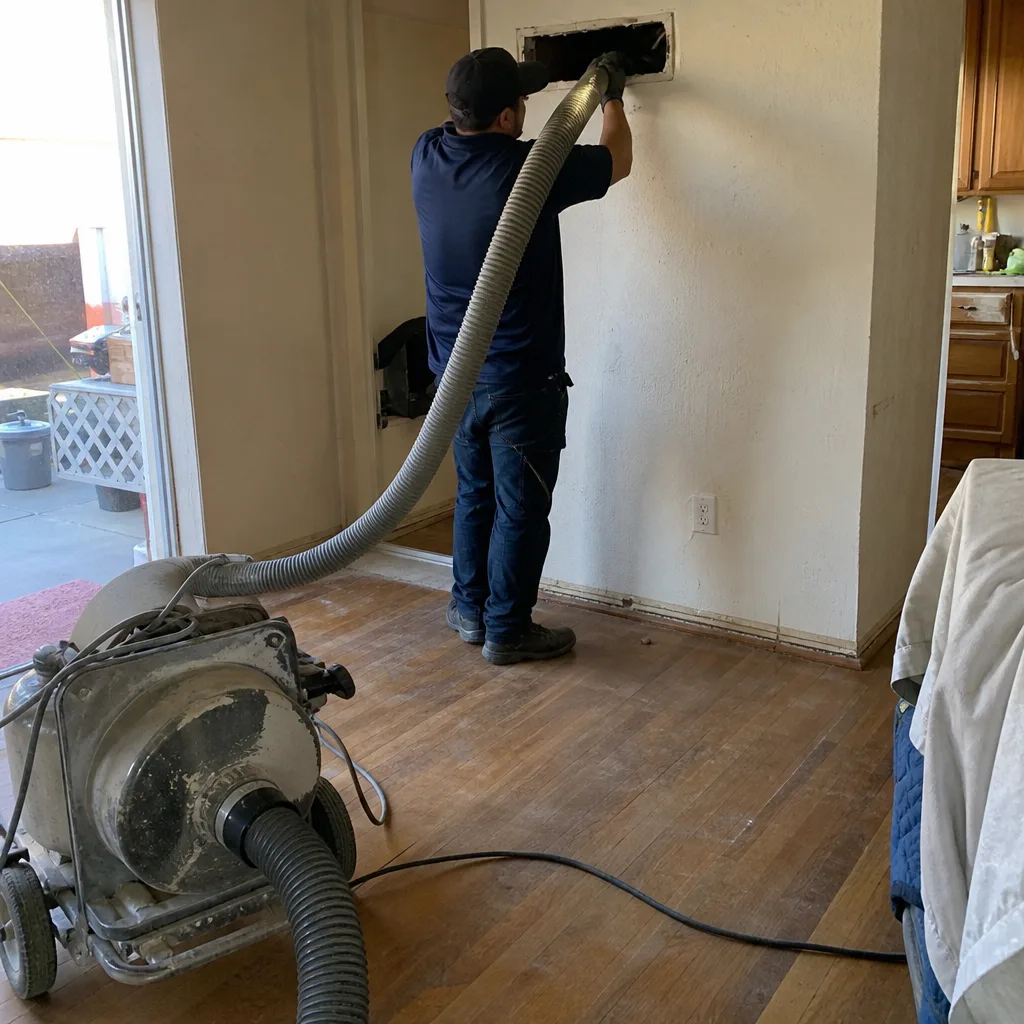
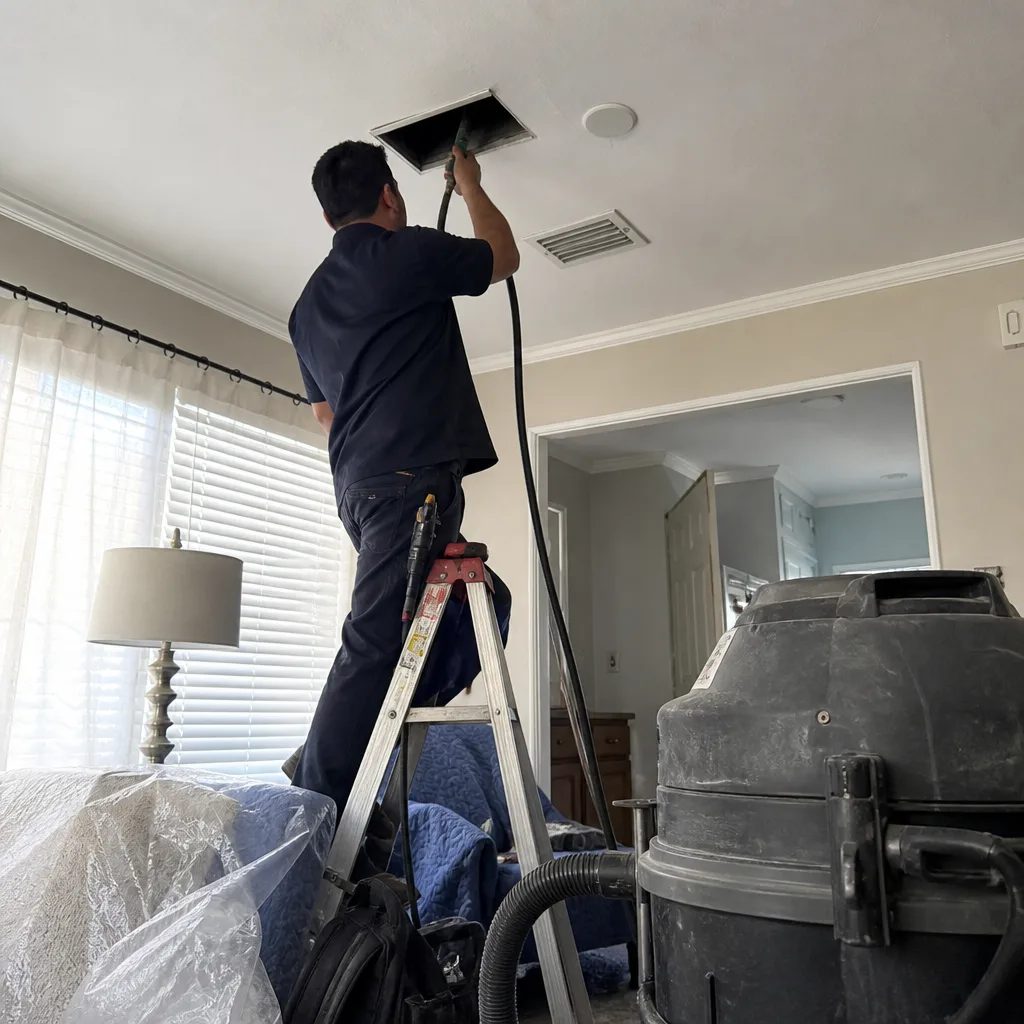
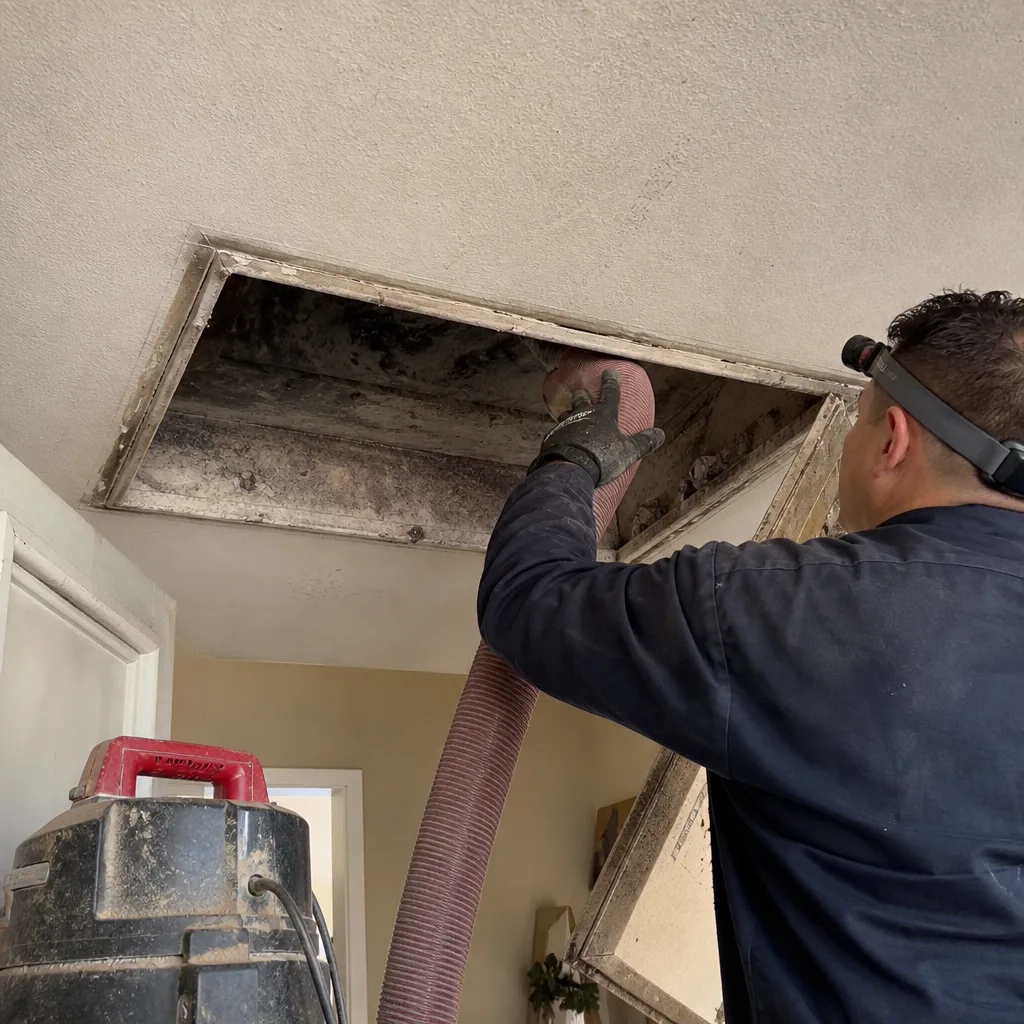
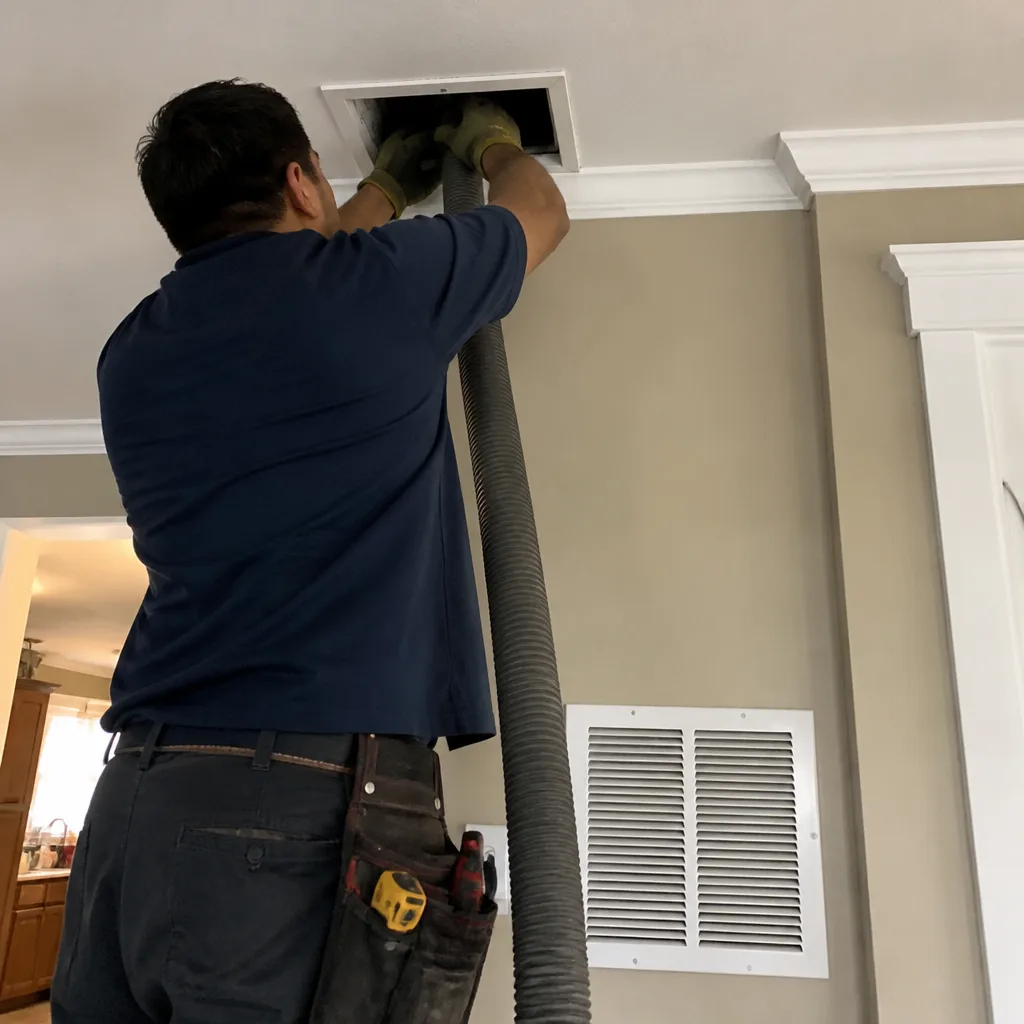
Whole-system duct and dryer vent check with before-and-after photos - you see exactly what came out of your vents
That "$99 whole-house special" is a bait ad - the real number appears once they are in your hallway, or the "clean" is a shop-vac at the register. We photograph the inside of your ducts before and after instead.
Air Duct Cleaning Maintenance Checklist for Rancho Park Homeowners
The average homeowner waits until air quality is noticeably bad to call a duct specialist. By then, the system has been recirculating contaminated air for months. A maintenance checklist flips that pattern: it turns you into the first line of detection, catching deterioration early, before it becomes a health nuisance or a repair bill. This guide is written specifically for Rancho Park, where fire season, Santa Ana wind events, and months of heavy HVAC use create a particulate load that most generic checklists never account for. For more on local requirements, see our article on Air Duct Cleaning Permits, Codes & Inspections in CA: What You Need to Know. You’ll learn exactly what to check each month, where to look, and what signals mean “call someone who does this for a living.”
We clean ducts. That’s it. And we’re very good at it. Over years of working in Rancho Park homes, we’ve learned that the homeowners who stay ahead of duct problems aren’t the ones with expensive monitoring equipment. They’re the ones who know what to look for and when to look.
Styles & brands we work with
- Whole-home duct cleaning
- Dryer vent cleaning
- Camera inspection
- Sanitizing & deodorizing
Quick Answer
A practical air duct cleaning maintenance checklist for Rancho Park homeowners includes monthly register inspections, quarterly filter changes adjusted for local particulate levels, visual checks of return grilles and the air handler cabinet every 60 to 90 days, documented photographic records of duct condition, and an immediate professional assessment when you see dust accumulation on registers, smell musty odors, or notice reduced airflow from certain rooms. In Rancho Park’s climate, we recommend a full professional cleaning every 3 to 5 years, with the checklist keeping you informed between visits.
Table of Contents
- Monthly Register Inspection
- Rancho Park Filter Change Schedule
- Return Grille and Air Handler Cabinet Checks
- Season-by-Season Checklist for Rancho Park
- Red-Flag Conditions That Mean Call Now
- How to Document System Condition Over Time
- Common Mistakes to Avoid
- When to Call a Professional
- Frequently Asked Questions
- The Bottom Line
Monthly Register Inspection
Your supply registers are the most accessible window into what’s happening inside your ducts. Every month, take ten minutes and walk through each room in your Rancho Park home with a flashlight. Look at the register covers themselves, then remove one or two and look inside as far as you can see. What you’re checking for is patterns, not single events.
Here’s the monthly register inspection routine we recommend:
- Check for visible dust accumulation on register blades. If dust is collecting on the outside of the register within weeks of cleaning it, the duct system is pushing particulate through. That’s not normal house dust settling; that’s your HVAC acting as a distribution network for whatever is inside the ductwork.
- Inspect the inside of the register boot. Use your flashlight and look past the register opening into the metal boot that connects the duct to the room. You’re looking for gray or brown buildup on the interior surfaces. A thin film is expected. A thick, fuzzy, or crusty layer is not.
- Feel the airflow with your hand. Compare airflow strength between rooms. If one room feels noticeably weaker than others on the same floor, something is restricting that branch line. It could be a damper, a collapsed duct section, or a significant debris blockage.
- Note any odor when the system starts up. The first few seconds of operation tell you a lot. A musty or stale smell that fades after a minute often indicates microbial growth on the cooling coil or inside the duct liner. Dusty smells suggest accumulated debris being stirred up.
- Look for moisture staining or rust. Any discoloration on the register or surrounding ceiling drywall might point to condensation issues in that duct run. In Rancho Park’s coastal-influenced climate, condensation in unconditioned spaces is a real concern, especially in attics with poor insulation.
What you’re building here is a baseline. When you know what’s normal for your system, you’ll spot what isn’t. If you’d like a professional reference point, our Air Duct Cleaning in Rancho Park service includes a full system assessment with every visit, so you can compare your observations against what we find inside the ductwork.
Rancho Park Filter Change Schedule
Manufacturer default recommendations for filter changes assume an average environment. Rancho Park doesn’t have an average environment. Between the particulate that blows in during Santa Ana wind events, the smoke load from fire season, and the simple fact that your HVAC system runs hard through a long summer, your filters are working harder than the box they came in assumes.
Here’s what we recommend for Rancho Park specifically:
- Standard 1-inch fiberglass or basic pleated filters: Change every 30 days during fire season (typically August through November) and during heavy summer cooling months (June through September). The rest of the year, every 60 days is usually sufficient.
- Mid-grade pleated filters (MERV 8-11): Change every 60 days during fire season and every 90 days otherwise. These filters trap more particulate but also load up faster in smoky conditions.
- High-efficiency filters (MERV 13+): Change every 60 to 90 days, and monitor closely during fire season. If you can see visible discoloration on the filter surface at 30 days, change it regardless of the schedule.
- Homes with pets or recent renovation work: Cut all intervals by roughly one third. Pet dander and drywall dust will clog filters significantly faster than the standard schedule accounts for.
One common misconception in Rancho Park: people assume a higher MERV rating is always better. That’s not true. A filter that’s too restrictive for your system reduces airflow, which strains the blower motor and can freeze the evaporator coil. If you’re not sure what your system can handle, check your HVAC manual or ask a technician. The filter’s job is to protect the equipment and contribute to air quality, not to act as an air purifier for the whole house.
We’ve seen homes in Rancho Park where the filter hadn’t been changed in over a year. The result is almost always the same: reduced airflow, higher energy bills, and a system that’s recirculating the same dust that should have been trapped at the filter. Filter changes are the single highest-impact maintenance task any homeowner can do themselves.
Return Grille and Air Handler Cabinet Checks
Supply registers show you what’s leaving the system. Return grilles show you what’s going in. The air handler cabinet shows you what’s already passed through the filter. All three matter, and most Rancho Park homeowners only ever look at the first one.
Every 60 to 90 days, perform these checks:
- Inspect the return grille. The return is where air gets pulled into the system. If the grille itself is coated in dust or pet hair, that material is being drawn into the ductwork. Vacuum the return grille regularly. If you’re seeing buildup inside the return duct that you can reach, that material is heading toward your filter and blower assembly.
- Check the filter housing at the air handler. This is where things get informative. Gaps around the filter frame mean unfiltered air bypasses the filter entirely and enters your system directly. In many Rancho Park homes built decades ago, the filter slot doesn’t create a perfect seal. A little foil tape around the access door can close small gaps, but larger issues need a professional look.
- Look at the blower fan and the surrounding cabinet. If you can see the blower wheel through the access panel, check for dust buildup on the fan blades. A blower wheel that’s coated in grime can’t move air efficiently. That’s why Air Duct Repair in Rancho Park often involves more than patching leaks: cleaning or replacing blower components is sometimes the fix.
- Inspect the coil if accessible. In many systems, the evaporator coil sits above the air handler in the same cabinet. A coil that appears dirty or has visible microbial growth is a red flag. Coil cleaning is a specialized job, and it’s one of the most common issues we find when we’re called in for a cleaning that should have happened years earlier.
- Check for condensation or standing water. Any moisture in the air handler or the drain pan beneath it indicates a drainage issue. That moisture creates an environment where biological growth thrives, and it will eventually distribute through the duct system. If you see water, call a professional sooner rather than later.
The air handler is the heart of the system. What happens there determines what comes out of every register in your house. A quick visual check every couple of months costs you nothing and will catch most major problems before they spread.
Season-by-Season Checklist for Rancho Park
Rancho Park’s climate doesn’t have the dramatic seasonal shifts of other regions, but it does have distinct patterns that affect your duct system differently throughout the year. Here’s how to calibrate your maintenance routine to the actual conditions you’ll experience.
Fire Season (Approximately August Through November)
This is the most critical period for duct maintenance in Rancho Park. Santa Ana wind events carry particulates from inland, and wildfire smoke can travel hundreds of miles and settle in your system. During these months:
- Change filters every 30 to 45 days regardless of filter type.
- Inspect registers weekly if there’s an active fire within 50 miles.
- Run your HVAC in “fan only” mode for 15 to 20 minutes after heavy smoke events to clear the system, but understand that this pushes particulates into your filter faster.
- If you see smoke staining on walls or ceilings, your ducts have almost certainly accumulated smoke particulates, and a professional cleaning should be on your near-term list.
Winter and Early Spring (December Through April)
Cooler temperatures mean less HVAC runtime, which means less opportunity for the system to move particulate. This is the ideal window for a professional Air Duct Cleaning in Rancho Park service because the system is under less demand and any disruption to your home environment is minimal. During these months:
- Continue monthly register checks, but you can extend the interval between them if conditions are stable.
- Inspect attic ductwork for condensation issues after rain events.
- Schedule professional cleaning if you haven’t had one in 3 or more years, or if you’re unsure when the last one was performed.
Summer (May Through September)
This is the heavy-use period. Your system runs daily, sometimes continuously, and every flaw in your ductwork gets amplified. During summer:
- Change filters every 30 days during peak heat months.
- Make sure supply registers are fully open and not blocked by furniture or curtains. This seems obvious, but we’ve seen Rancho Park homes where a couch sits directly over a floor register, forcing the system to work harder and channel debris into other rooms.
- Listen for new rattles, hisses, or whistles coming from supply vents. A new sound means something changed: a loose connection, a developing leak, or a failing damper.
- If you notice one room becoming consistently hotter than others, note the room and the register. That’s diagnostic information a technician can use.
Red-Flag Conditions That Mean Call Now
Some signals should end your maintenance checklist and trigger a phone call to a specialist. These aren’t items to note and revisit. They’re active problems that will get worse with time and continued system operation.
Musty or moldy odor from registers. This typically indicates microbial growth on the coil or inside the ductwork. The system is actively distributing whatever is growing back there. Running it doesn’t solve the problem; it spreads it. Our Air Duct Cleaning Rancho Park home service page explains our remediation-grade approach with Abatement Technologies equipment. The issue won’t resolve on its own, regardless of how many filters you change.
Visible mold or dark staining inside the duct. If you can see biological growth in a register boot with a flashlight, it’s present in more places you can’t see. Mold in ductwork is not a filter problem and not something to wait on.
Reduced airflow from multiple rooms simultaneously. A sudden drop in airflow throughout the house points to a major blockage or a failing blower. It’s often accompanied by higher utility bills and longer run times. Continuing to operate the system under these conditions can damage the blower motor.
Noisy operation that didn’t exist before. New whistling, rattling, or banging sounds during system operation are mechanical signals. A rattling duct might be loose and rubbing against framing. A banging sound when the system starts or stops could be a duct that’s collapsed or disconnected and slamming around as pressure changes. These are structural issues that will not self-correct and will progressively damage other components.
Evidence of rodent activity near registers or in the garage near the air handler. Rodents chew through flexible ductwork and nest inside duct systems in Rancho Park homes. If you find droppings, nesting material, or chewed materials around the system, the damage may already be extensive. This requires more than cleaning; it requires repair.
Dryer takes longer than 45 minutes to dry a normal load. This is a dryer vent signal, not an HVAC signal, but it indicates a serious safety issue: a clogged dryer vent is a leading cause of residential fires. Our Dryer Vent Cleaning in Rancho Park service addresses this as a standalone fire-risk-reduction service. If your dryer is taking longer than usual or the exterior vent flap doesn’t open when the dryer is running, call immediately.
How to Document System Condition Over Time
A checklist is only useful if you remember what “normal” looks like. Human memory is unreliable for gradual changes, which is why we hear from Rancho Park homeowners who say things like “I didn’t realize how dusty it had gotten until I saw the after photos.” Documentation solves this problem.
Here’s the system we recommend:
- Photograph key points quarterly. Take photos of at least two supply registers (one upstairs if you have a second floor, one downstairs), the return grille, and the filter area at the air handler. Use your phone and stand in the same spot each time. Consistency in framing matters more than image quality.
- Keep a simple record. A note on your phone or a small notebook with the date, filter change dates, and any observations you made during your monthly checks. You’re not writing an essay; a few bullet points are enough. What you’re building is a trail that shows when conditions changed.
- Photograph the filter when you replace it. A photo of a dirty filter next to a new one is the single most useful piece of documentation you can create. It shows exactly what your system captured over the filter’s service life, and it gives a technician immediate insight into your home’s particulate load.
- Note any unusual events. If there’s a construction project nearby, a fire event, or a particularly dusty wind storm, write it down with the date. These events explain sudden changes in system condition and help a technician interpret what they find inside the ducts.
- Share your documentation when you book a professional cleaning. When a technician can see your system’s condition over time, they’re not just assessing current state; they’re assessing change. That helps them identify developing problems, not just existing ones.
This level of documentation isn’t necessary for most homeowners, but for anyone who has experienced recurring issues or who’s had a cleaning in the past and wants to monitor for necessary follow-up, it’s invaluable. Our team uses Rotobrush and Nikro professional duct cleaning systems, and the before-and-after documentation we capture during service gives you the same kind of record for the interior of the ductwork.
Common Mistakes to Avoid
Over the years of working in Rancho Park homes, we’ve seen the same maintenance mistakes repeat themselves. Here are the ones that cause the most problems:
- Changing filters only when the system stops working. By the time the filter is so clogged that airflow is visibly reduced, the system has been operating under strain for months. The filter’s job is to be changed before it becomes a problem.
- Installing the highest MERV filter available without checking system compatibility. High-MERV filters restrict airflow. If your blower isn’t designed for it, you’ll reduce efficiency and potentially damage the equipment. What works in the filter aisle of the hardware store and what works in your specific Rancho Park home are not always the same thing.
- Closing registers in unused rooms to save energy. Your system was designed with a specific airflow balance. Closing registers changes that balance and can increase static pressure, pushing air into unwanted places and forcing debris through leaks. We see this often in Rancho Park homes with unused guest rooms.
- Using household cleaners on registers and not cleaning the duct behind them. Clean registers don’t mean clean ducts. The register is just the visible endpoint. If the duct behind it is filled with debris, you’re polishing the visible surface while the deeper problem remains untouched.
- Waiting until you can see the problem. Most duct deterioration happens where you can’t see it. By the time problems are visible at the register, the system has been circulating contaminated air for a long time. A maintenance checklist that relies entirely on visible problems is a checklist that will always be too late.
- Assuming a newer home doesn’t need duct attention. New construction in Rancho Park often has leftover drywall dust and debris in the duct system from the build process. Unless the builder specifically cleaned the ducts before handover, they may contain significant particulate from day one.
- Skipping dryer vent maintenance because the dryer “works fine.” Dryer vents clog gradually, and the first sign of trouble is usually reduced drying efficiency, not a failure. By the time you notice, the clog has been building for months. This particular mistake is a genuine fire risk, not just a maintenance oversight.
When to Call a Professional
Many maintenance tasks on this checklist are DIY-friendly: filter changes, register cleaning, visual inspections, photographic documentation. But some situations require professional equipment and training. If you notice any of the red-flag conditions described above, don’t attempt to resolve them with more diligent DIY maintenance. Deep duct cleaning requires professional-grade equipment and techniques. We use Rotobrush and Nikro systems, the same standard used by certified remediation professionals, along with Abatement Technologies containment equipment to ensure dislodged contaminants don’t spread through your home during service. Guardsman-level surface protection protocols are observed on every visit. If you’re in Rancho Park and want a professional assessment, Air Duct Cleaning Rancho Park offers free estimates. Call (855) 974-1911 to schedule yours.
Frequently Asked Questions
We recommend professional air duct cleaning every 3 to 5 years for most Rancho Park homes, with more frequent service (every 2 to 3 years) for homes with pets, recent renovation work, smokers, or residents with significant allergy or respiratory conditions. Your monthly maintenance checklist will help you determine whether your system needs attention sooner than the standard interval. Call (855) 974-1911 to discuss your specific situation.
Professional air duct cleaning in Rancho Park typically ranges from $350 to $850 for a complete residential system, depending on the number of vents, the size of the home, and the level of contamination. We provide one flat price per system agreed before work starts, so you’ll never face a surprise invoice after the job is done. Call (855) 974-1911 for a free estimate specific to your home.
The most reliable way to know is to look at the evidence yourself: check your registers, return grilles, and filter for buildup, and document what you find with photos. If you’re seeing visible dust accumulation within weeks of cleaning, musty odors, or reduced airflow, those are objective indicators that cleaning is warranted. A trustworthy duct specialist will show you before-and-after photos of your own system and explain what they found, not just claim it needed cleaning. Call (855) 974-1911 and ask for a visual inspection with photographic documentation.
A typical residential air duct cleaning in a Rancho Park home takes 2 to 4 hours, depending on the size of the home and the condition of the system. Homes with extensive contamination, multiple systems, or duct damage requiring repair will take longer. We’ll give you a specific time estimate during your free assessment. Call (855) 974-1911 to schedule yours.
Yes. A duct system with significant debris buildup restricts airflow, forcing your HVAC system to run longer to achieve the same temperature. That means more energy consumption and higher utility bills, especially during Rancho Park’s hot summer months when the system is working hardest. Clean ducts and clean filters work together to maintain proper airflow and system efficiency. Call (855) 974-1911 to discuss what you’re seeing in your system.
Yes, but for different reasons. Even without allergy symptoms, accumulated debris in your duct system shortens the lifespan of your HVAC equipment, reduces energy efficiency, and creates an environment where moisture problems can develop. You may not feel the difference immediately, but the mechanical and financial costs of neglected ductwork accrue over time. Call (855) 974-1911 to learn more about what’s happening in your specific system.
The Bottom Line
Your air duct system is not a static part of your home. It changes over time, accumulating debris, developing leaks, and responding to the unique environmental conditions of Rancho Park. A maintenance checklist is your tool for staying ahead of those changes rather than reacting to them. Explore our more guides & resources for ongoing home maintenance. Check your registers monthly, change your filters on a schedule calibrated to our local conditions, inspect your return grilles and air handler every 60 to 90 days, and document what you find. When your checklist surfaces a red flag, don’t wait. A professional duct specialist can identify problems while they’re still small and fix them before they become expensive repairs or persistent air quality issues.
Written by the team at Air Duct Cleaning Rancho Park, serving Rancho Park since 2014.
See the difference
 Before
 After
 Before
 After
 Before
 After