
Last updated November 2, 2026
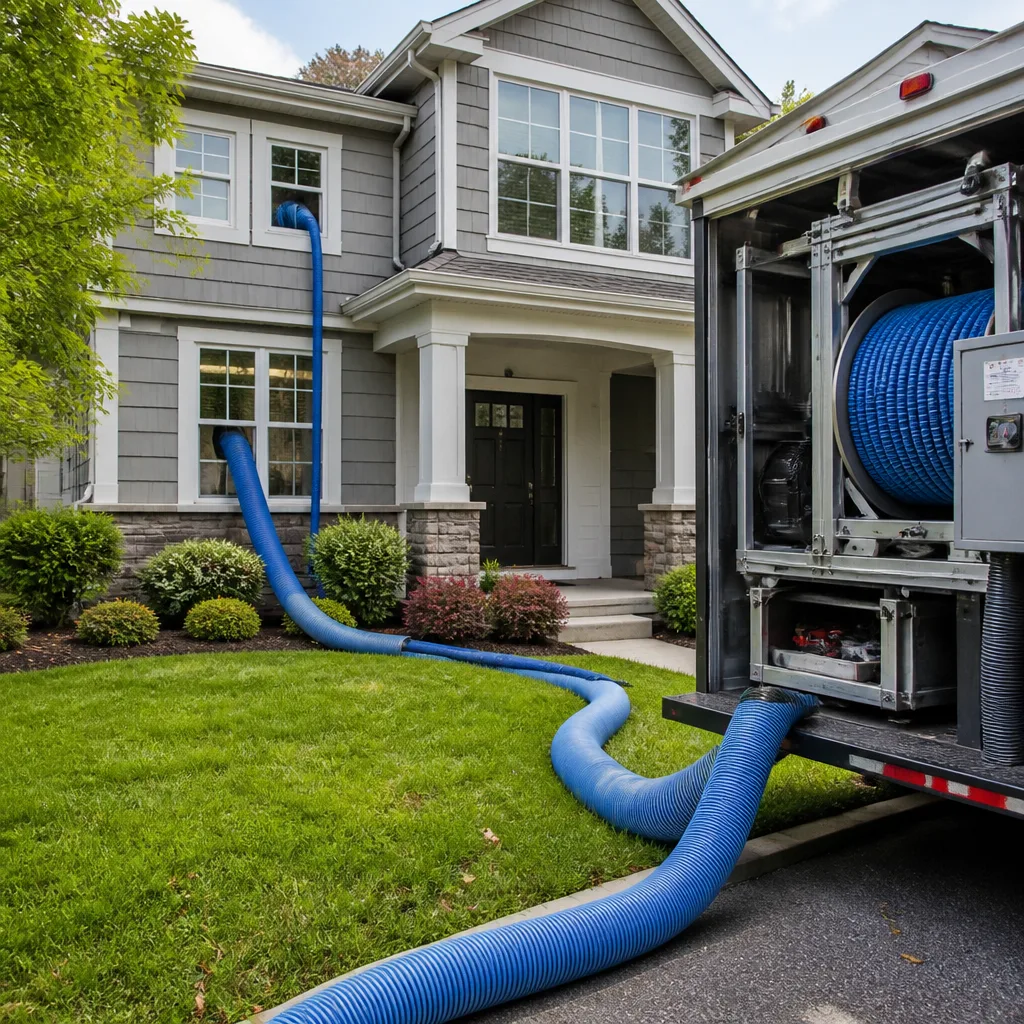 Whole-home duct cleaning
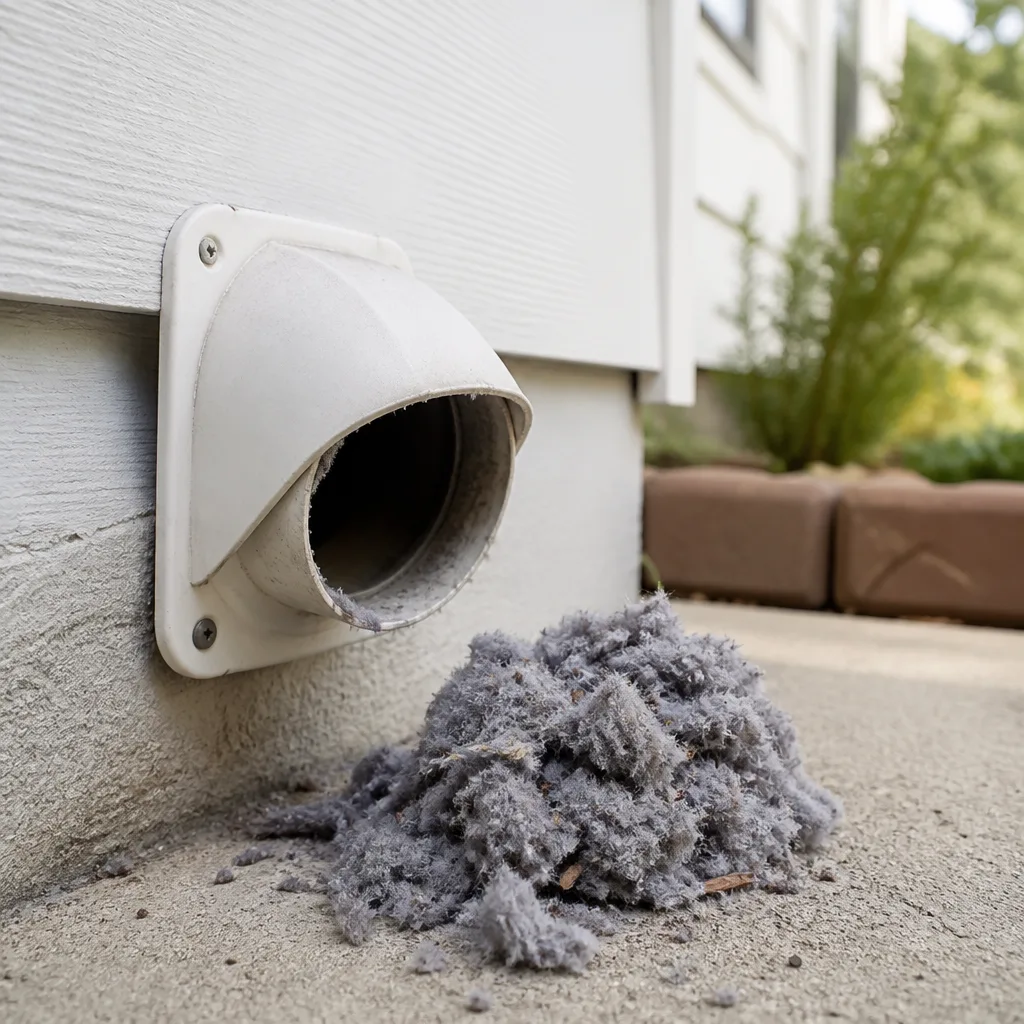 Dryer vent cleaning
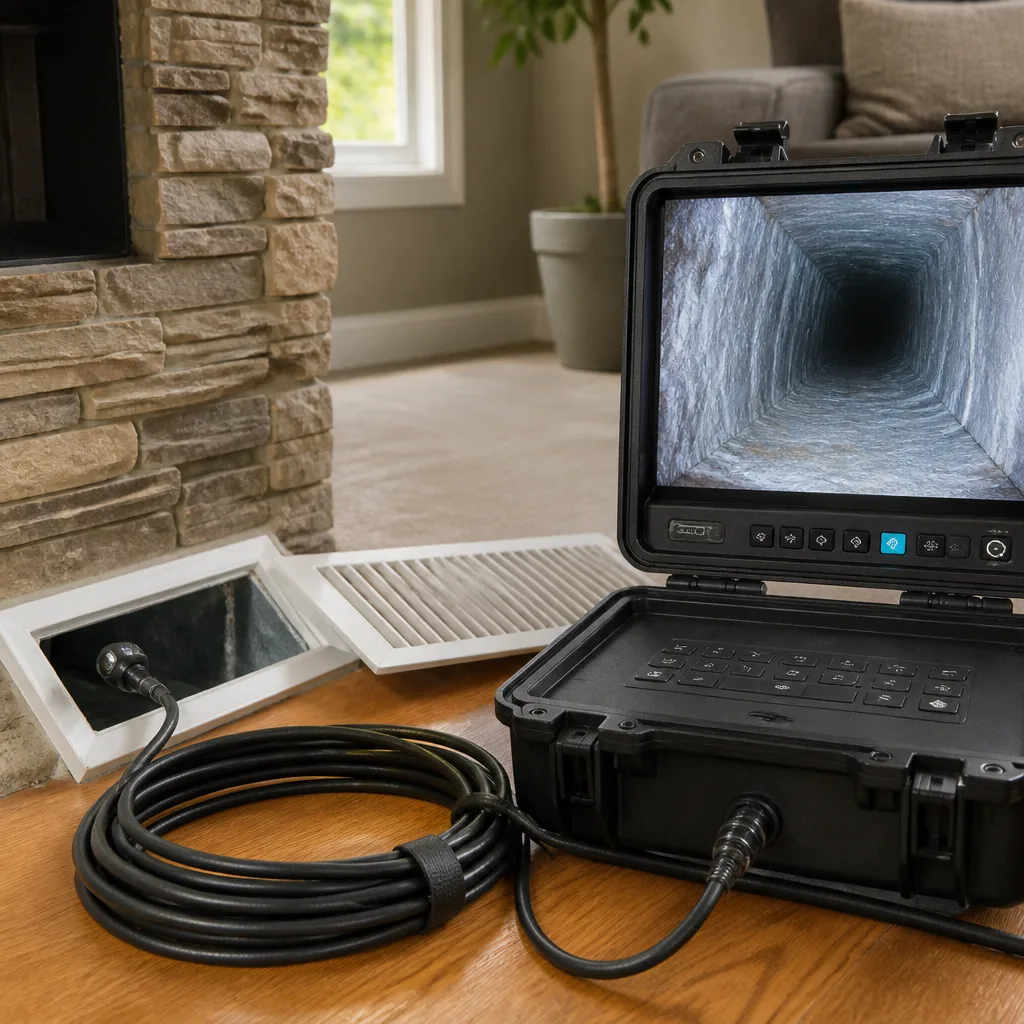 Camera inspection
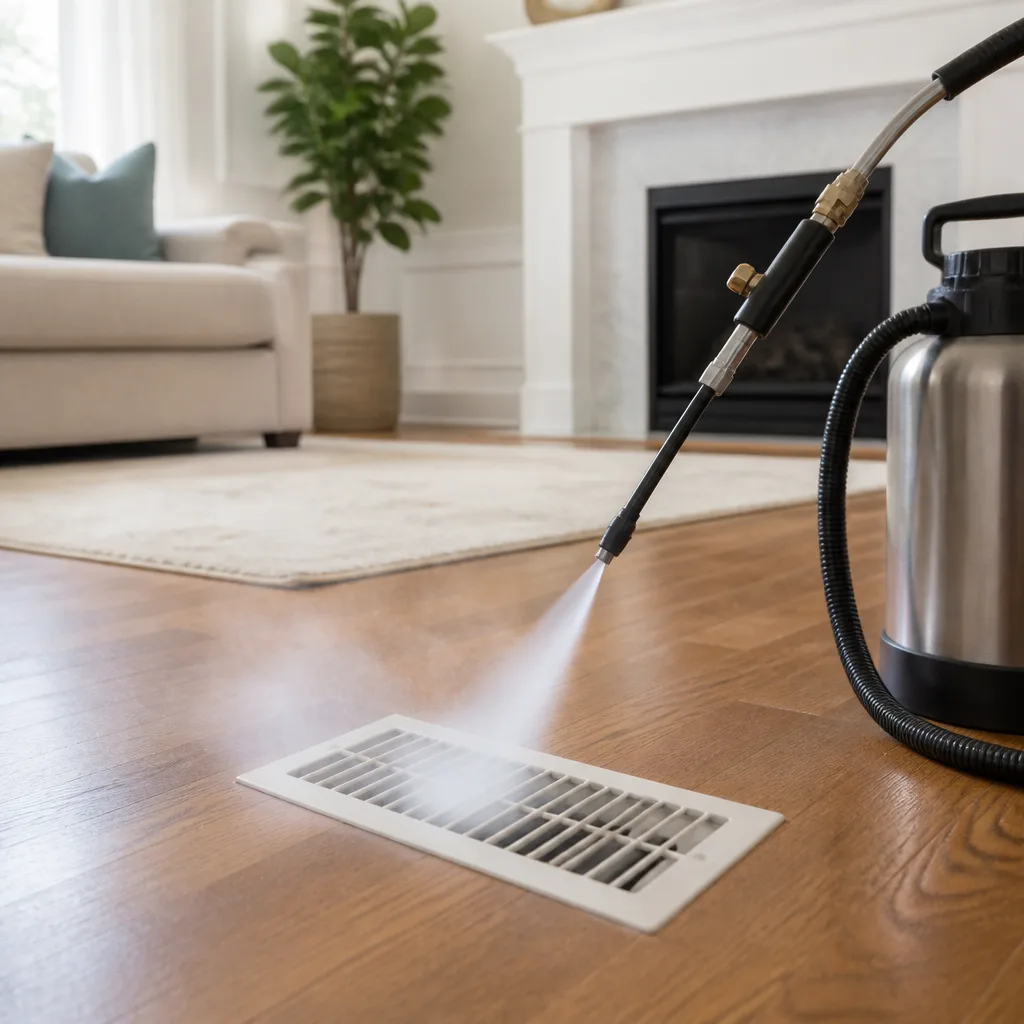 Sanitizing & deodorizing
Whole-system duct and dryer vent check with before-and-after photos - you see exactly what came out of your vents
That "$99 whole-house special" is a bait ad - the real number appears once they are in your hallway, or the "clean" is a shop-vac at the register. We photograph the inside of your ducts before and after instead.
Air Duct Cleaning Permits, Codes & Inspections in CA: What You Need to Know
Here’s a sentence most California homeowners never hear until it’s too late: the cleaning of your air ducts almost never requires a permit, but the repair of those same ducts can trigger California’s Title 24 energy code and your county’s mechanical permit requirements, depending on the scope. In Rancho Park, where homes built in the 1940s and 1950s still carry original duct runs that have been patched, taped, and re-patched over the decades, we see this distinction trip up sellers at escrow and buyers at inspection more than any other HVAC issue. This guide and our Air Duct Cleaning Warning Signs: A Rancho Park Homeowner’s Reference Guide separate what’s required from what’s recommended, so you know exactly where the legal line sits before anyone opens an access panel.
Styles & brands we work with
- Whole-home duct cleaning
- Dryer vent cleaning
- Camera inspection
- Sanitizing & deodorizing
Quick Answer
Air duct cleaning in California does not require a permit of any kind. It’s classified as routine maintenance, not construction. What can require a permit is duct repair that involves replacing duct sections, rerouting runs, or altering the system’s physical configuration, and any repair that touches duct sealing must now comply with California Title 24 leakage testing standards enforced at the local level. If you’re only cleaning ducts, no permit, no inspection, no filing. If you’re fixing them, the conversation changes.
Table of Contents
- The Legal Line: Cleaning vs. Repair vs. Modification
- How California Title 24 Changed What “Acceptable Duct Repair” Means
- Los Angeles County Mechanical Permits: What Actually Gets Filed
- How Unpermitted Duct Work Shows Up During Home Sales
- Questions to Ask a Contractor Before Any Repair Scope Is Agreed
- What a Duct Inspection Actually Looks for in California
- Common Mistakes to Avoid
- When to Call a Professional
- Frequently Asked Questions
- The Bottom Line
The Legal Line: Cleaning vs. Repair vs. Modification
The California Mechanical Code doesn’t mention air duct cleaning. That’s the first thing homeowners in Rancho Park need to understand, because the absence creates confusion. Cleaning is classified as maintenance, not construction, which means it sits outside the permit framework entirely. You can hire a company to clean every duct in your home, all supply and return runs, the plenum, the registers, and the blower cabinet, and no city or county agency will ever ask to see paperwork.
What changes the calculus is when the scope moves from cleaning to physical alteration. The 2022 California Mechanical Code (CMC), which incorporates the Uniform Mechanical Code with state amendments, requires a permit for any work that modifies a duct system’s physical configuration. That includes:
- Replacing a damaged duct section with new material, even if the replacement is the same diameter and follows the same path
- Rerouting a duct run to accommodate new framing, a remodel, or clearance issues
- Adding or removing supply runs, which changes the system’s static pressure and airflow balance
- Installing new ductwork as part of a system expansion or room addition
- Sealing or resealing duct joints when the repair is part of a larger modification, not routine maintenance
The nuance that matters: many duct repairs in Rancho Park happen because a run has been crushed by foundation settlement or chewed through by rodents in a crawl space. A pure patch, using mastic or foil tape on an existing seam, often falls under maintenance and needs no permit. But if the damaged section must be cut out and replaced with a new piece, that’s modification and it triggers the permit conversation. We handle air duct repair in Rancho Park and we walk every homeowner through this distinction before work begins, because the last thing you want is a repair that meets code today but fails a resale inspection tomorrow.
How California Title 24 Changed What “Acceptable Duct Repair” Means
California’s Title 24, Part 6, the Building Energy Efficiency Standards, has been the quiet architect of duct standards since 2008, but the 2016 and 2019 code cycles brought seismic shifts that still trip up contractors who haven’t updated their practices. The code now requires that any duct system that is repaired, modified, or replaced in a conditioned space must be sealed and tested to specific leakage thresholds. This isn’t a suggestion. It’s a measurement-backed requirement with a number attached.
Here’s what Title 24 currently dictates for residential duct systems in climate zones like Rancho Park’s:
- Duct leakage must not exceed 6% of the system’s total airflow when the air handler is pushing air through the system. That’s measured by a duct blaster test or equivalent.
- All duct joints, seams, and connections must be sealed with mastic, mastic tape, or aerosol-applied sealant that meets UL 181 standards. Plain gray duct tape, the cloth-backed kind, is explicitly disallowed and has been for over a decade.
- Sealing must be verified either through a duct leakage test or through a visual inspection by the local building department when the repair is within a smaller scope.
- Duct insulation requirements for supply ducts in unconditioned spaces (attics, crawl spaces) are R-6 minimum in most of Southern California, up from R-4.2 in previous codes. A repair that exposes an under-insulated section can trigger an upgrade requirement.
What this means in practical terms: a patch job that was perfectly legal in 2015 may not meet current standards if your home is ever inspected, which is the exact scenario we opened this guide with. In Rancho Park, where crawl spaces and attics create unconditioned zones, we see older homes with uninsulated metal ducts that would never pass a current leakage test. The homeowner doesn’t know this until the house goes into escrow and the buyer’s inspector flags the system.
Los Angeles County Mechanical Permits: What Actually Gets Filed
Rancho Park sits within the City of Los Angeles, not unincorporated Los Angeles County, but the permitting culture in L.A. County shapes how every permit office in the region behaves. The Los Angeles Department of Building and Safety (LADBS) is the authority for Rancho Park, and it follows the California Mechanical Code with its own local amendments. Here’s what actually gets filed, based on how LADBS has enforced mechanical permits for duct work across the Westside.
For a straightforward air duct cleaning in Rancho Park, nothing gets filed. LADBS doesn’t want to see a permit for cleaning. For duct modification, a mechanical permit is generally required, but there’s a practical distinction between what the code says and what LADBS actually pursues. Small repairs, like replacing a single damaged section under four feet, often fall into a gray zone where the homeowner and contractor decide whether to file. The risk calculation matters: if the repair is later scrutinized during a home sale inspection or an insurance claim, an unpermitted modification can become a negotiation point regardless of how well the work was done.
What LADBS specifically requires for residential duct modification permits:
- A permit application describing the scope of work, the system’s location, and whether any structural elements are impacted.
- A Title 24 compliance statement confirming that any repaired or modified duct sections meet current sealing and insulation standards.
- An inspection appointment after work is complete, where an LADBS inspector verifies the repair visually and may request a leakage test depending on the scope.
- Proof of licensed contractor status if the work is being done by a company rather than the homeowner.
The permit fee for a mechanical permit in L.A. County is typically calculated based on the valuation of the work, not a flat fee, so a single duct section replacement might cost less than $200 to permit. The cost isn’t the barrier. The barrier is time and the inspector’s schedule, which is why some contractors quietly suggest skipping the permit. We don’t recommend that, and we tell Rancho Park homeowners why during our estimates.
How Unpermitted Duct Work Shows Up During Home Sales
The single most common way unpermitted duct modification comes to light in Rancho Park is not through an inspector knocking on a door. It happens when a home goes into escrow and a buyer’s home inspector, who is trained to look for exactly this, spots the telltale signs of recent duct work: fresh mastic, new metal sections, replaced hangers, insulation that’s newer than its surroundings. The inspector notes it in the report. The buyer’s agent asks for permits. The seller doesn’t have them. And the deal starts to wobble.
This scenario plays out weekly on the Westside, and the liability for the homeowner is real. In a market like Rancho Park, where homes regularly sell above $1.5 million and buyers are represented by sharp agents who know the Title 24 code, an unpermitted duct modification can:
- Reduce the agreed sale price when buyers demand a credit to cover the cost of pulling a retroactive permit and paying for an inspection
- Delay escrow by weeks while the permitting process runs its course, which in a competitive market can cause buyers to walk
- Create an insurance complication if the duct work is later implicated in a claim, because the insurer may use unpermitted modification as grounds to contest coverage
- Transfer the liability to the buyer if they close without resolving the issue, which means the next seller inherits it
The remedy, if you’re a Rancho Park homeowner with unpermitted duct work, is to file for a permit after the fact and have the work inspected. LADBS processes these regularly, and the inspection is usually less painful than homeowners fear. In our experience, most unpermitted duct repairs pass inspection because the physical work was done competently. What failed was the paperwork protocol, not the craftsmanship.
Questions to Ask a Contractor Before Any Repair Scope Is Agreed
If a contractor proposes more than a cleaning, the burden is on you to confirm they understand the permit threshold; see our Air Duct Cleaning Troubleshooting: Common Problems and How to Fix Them for additional context. The quality of their answers tells you more than any review or rating. Here’s what we recommend asking, word for word, before you sign anything.
- “Is this cleaning, repair, or modification?” The contractor should be able to answer instantly and defend the classification. If they pause or hedge, that’s information.
- “Does this scope trigger a mechanical permit under the current California Mechanical Code?” If they say no, ask them to explain why. If they say yes, ask who’s responsible for filing, the fee, and the inspection.
- “Will the repaired section meet current Title 24 duct leakage standards?” They should be able to cite the 6% leakage threshold and explain how they’ll verify the repair meets it.
- “Are you sealing with UL 181 mastic or mastic tape?” This is the material Title 24 requires. If they mention duct tape, end the conversation.
- “Will you provide documentation after the work?” Photographs of the repair, a written scope summary, and confirmation of the materials used create a paper trail that helps during resale even when no permit was required.
We have these conversations in Rancho Park on a weekly basis, and we’d rather be asked these questions directly than have a homeowner discover a standards gap at the worst possible time.
What a Duct Inspection Actually Looks for in California
If you do pull a mechanical permit and schedule an inspection, here’s what the LADBS inspector is actually checking when they arrive. Understanding the checklist demystifies the process and helps you prepare.
- Seal quality at every connection. Joints must be sealed with the correct mastic product, and the inspector will run a visual along the entire repaired section.
- Support and hanger spacing. Duct runs in unconditioned spaces must be supported every 4 to 6 feet depending on the material. Sagging is a red flag.
- Insulation thickness. Supply ducts in an unconditioned attic or crawl space must carry R-6 insulation, and the inspector may measure.
- Material compatibility. The replacement section must match the existing system’s material class. Mixing, say, rigid metal with flexible connectors can fail visual review.
- Accessibility. The repaired area must remain accessible for future inspection, which means no buried access points or sealed-off sections.
- Documentation match. The work performed must match the permit scope. If the permit says one section replaced and three were, that’s a problem.
For Rancho Park homeowners, the inspection is usually a formality lasting 15 minutes when the contractor did the work correctly. The failure rate we see comes from contractors who used the wrong sealant or skipped the insulator upgrade, not from structural problems.
Common Mistakes to Avoid
- Assuming all duct work requires a permit. Cleaning requires nothing. Pure repair of a seam with mastic often requires nothing. Catastrophizing the permit requirement can prevent necessary maintenance.
- Assuming no duct work requires a permit. Replacement, rerouting, and modification do, and the consequences of skipping the permit surface at resale or during an insurance claim.
- Using gray cloth duct tape. Title 24 disallowed it decades ago, but we still find it on Rancho Park homes because someone along the way didn’t know better. It dries, cracks, and fails.
- Upgrading insulation without checking the code. The R-value requirement for Southern California unconditioned spaces changed in the 2016 code cycle, and older R-4.2 insulation may not meet current standards if it’s replaced.
- Accepting a verbal promise that “permits aren’t necessary.” If the contractor is wrong, the liability is yours. Ask for the code citation that supports their claim.
- Delaying a needed repair to avoid the permit. A leaking duct in a crawl space is a moisture problem that grows mold and attracts pests. The permit is less expensive than the remediation of a decade of deferred maintenance.
- Filing a permit with inaccurate scope. If the final work doesn’t match the filed scope, the inspection fails and you’re back to square one, now with a failed inspection on file.
When to Call a Professional
If you’ve read this far and you’re looking at a duct system that’s been patched, taped, and touched by multiple hands over multiple decades, the most useful next step is a professional assessment. That’s true for Rancho Park specifically because the housing stock here is older and the crawl spaces are shallow, which means duct systems take a beating from moisture, rodents, and time. A specialist with remediation-grade equipment can tell you what’s cleaning, what’s repair, what’s modification, and what the permit implications are for each. Air Duct Cleaning Rancho Park offers free estimates in Rancho Park – call (855) 974-1911. We’ll inspect your duct system, explain the scope in plain language, and tell you honestly whether a permit is in play. No scare tactics, no inflated scope. Just the facts so you can make a clear decision.
Our work is grounded in the kind of equipment the pros in restoration and remediation use, which matters when we’re assessing damage that might cross from maintenance into repair territory. We use Rotobrush and Nikro duct cleaning systems, the same machines specified by industrial hygienists, paired with Abatement Technologies negative-air containment so dislodged debris never travels through your living space. And we use Guardsman surface protection protocols so your floors and furniture stay untouched during the work. The goal on every Rancho Park job is a duct system that’s clean, documented, and defensible, whether or not a permit was required.
Frequently Asked Questions
No. Air duct cleaning is classified as routine maintenance under the California Mechanical Code and no permit, filing, or inspection is required anywhere in the state. This applies to all supply and return runs, the plenum, and the blower cabinet.
A mechanical permit is generally required when duct work involves replacement of whole sections, rerouting runs, adding or removing supply branches, or modifying the system’s physical configuration. Small seam repairs with mastic typically don’t require a permit. Call (855) 974-1911 for an exact assessment of your Rancho Park duct system and whether your specific repair crosses the threshold.
Title 24 currently requires that duct systems in conditioned spaces leak no more than 6% of total system airflow when tested. Any repair or modification to a duct system must result in a system that meets this standard, verified by test or inspection. In Rancho Park, where many homes carry original ductwork, the gap between existing leakage and the code threshold is often significant.
Yes. The City of Los Angeles, which includes Rancho Park, follows the California Mechanical Code and requires a mechanical permit for duct replacement and modification. The permit fee is valuation-based and typically modest, but the inspection requirement is real and the work must pass Title 24 compliance review.
It can. Home inspectors on the Westside are trained to spot recent duct modifications, and unpermitted work frequently becomes a price concession or escrow delay when buyers request permits that don’t exist. In Rancho Park’s competitive market, a clean permit history protects your sale price.
Every 3 to 5 years is the standard recommendation for homes with normal occupancy and no pets or smokers, but homes closer to Santa Monica’s marine layer or with dogs and cathedral ceilings may warrant cleaning every 2 to 3 years. Rancho Park’s mature tree canopy also contributes more airborne dust than newer, less landscaped neighborhoods. For a whole-system cleaning that includes documentation and before-and-after photos, call (855) 974-1911.
The Bottom Line
The permit question for California duct work is simpler than the confusion around it suggests, and we cover it further in more guides & resources. Cleaning requires nothing. Modification requires awareness, and often a mechanical permit. Repair sits on a spectrum in between, and where your specific job falls determines everything downstream, from your resale disclosures to your insurance claims. The smartest move in Rancho Park is to understand the distinction before work begins, ask your contractor the five questions above, and document everything. An hour of due diligence now prevents a week of escrow drama later. If you want a professional assessment of your duct system in Rancho Park, call (855) 974-1911 for a free estimate.
Written by the team at Air Duct Cleaning Rancho Park, serving Rancho Park since 2014.
See the difference
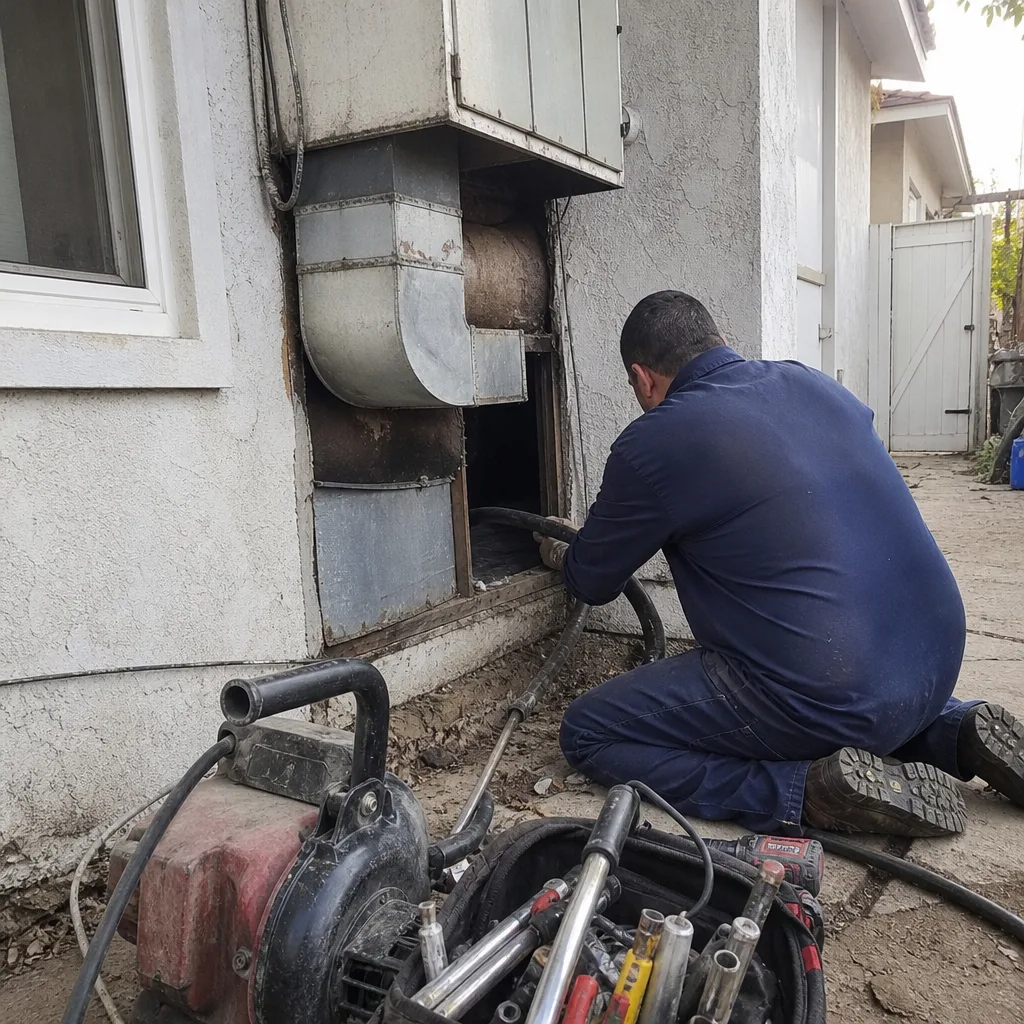 Before
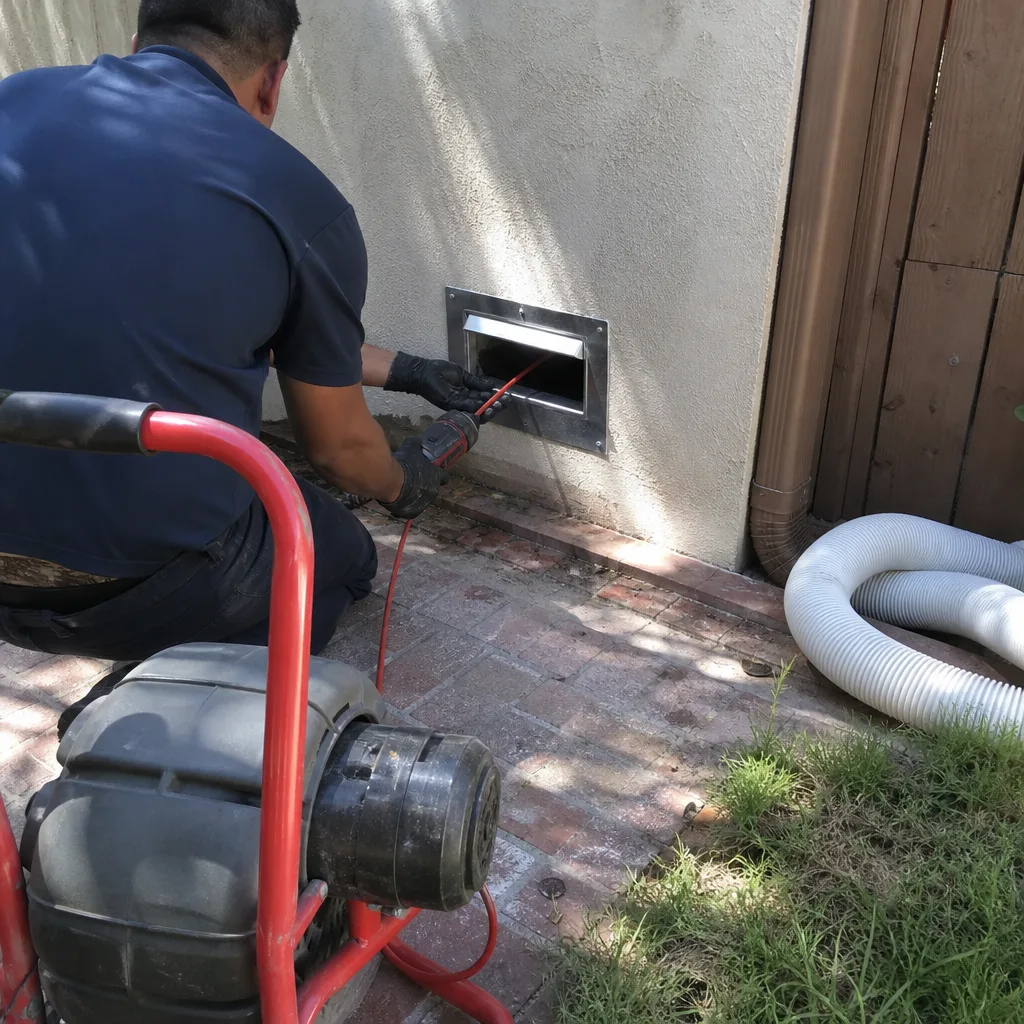 After
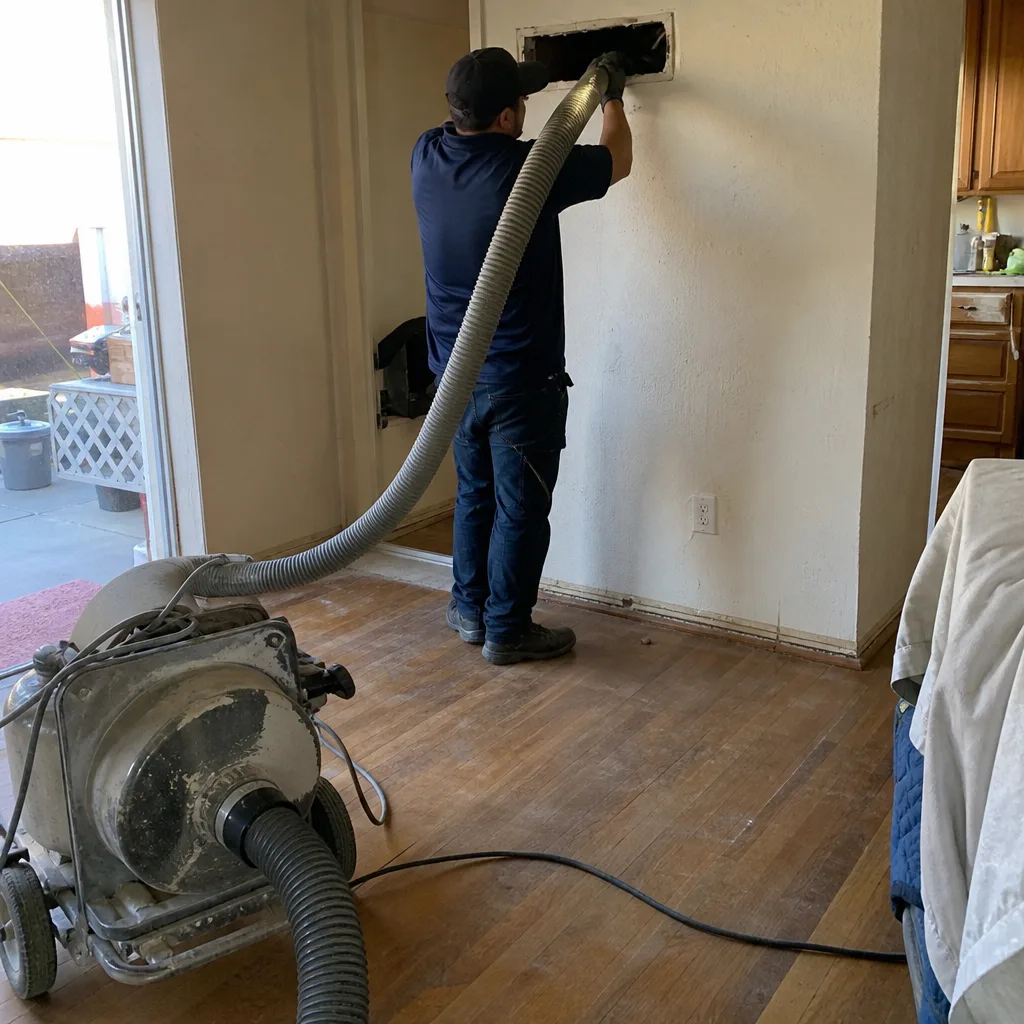 Before
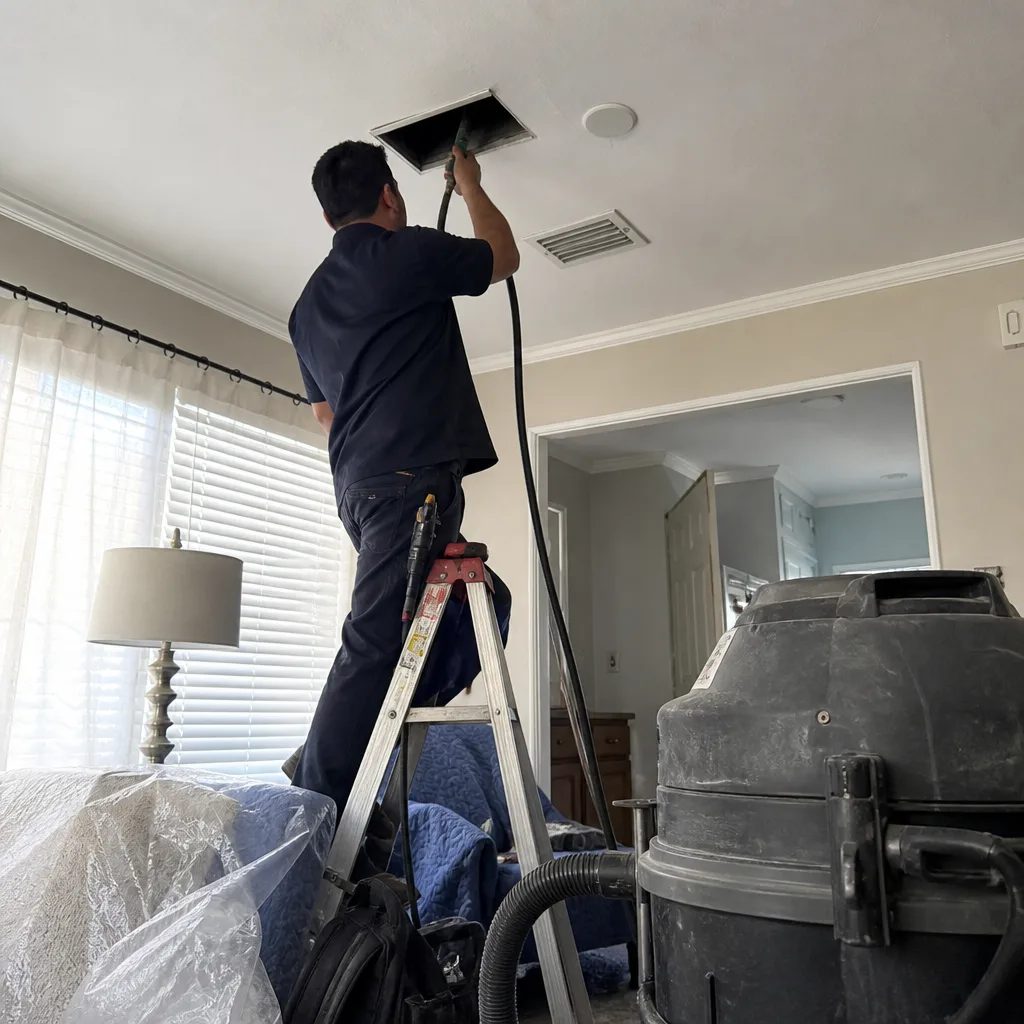 After
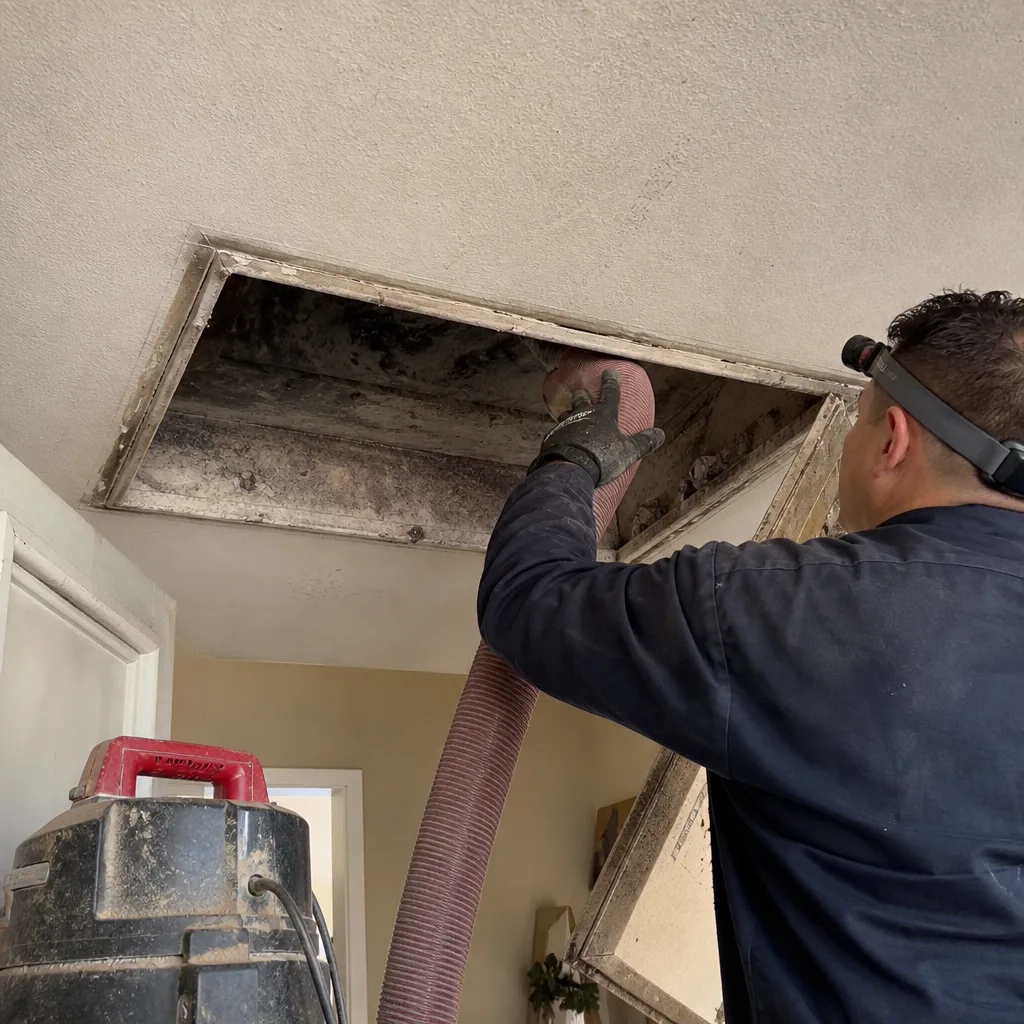 Before
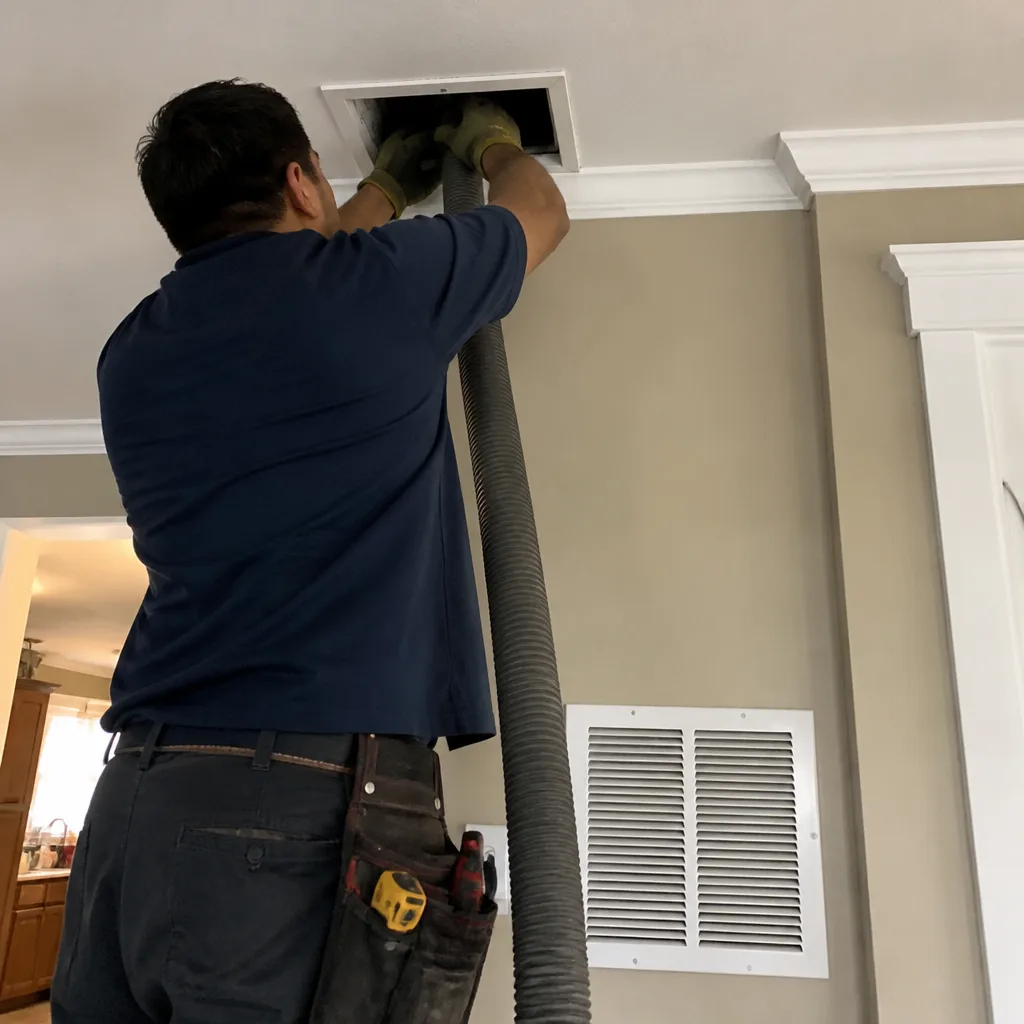 After