
Last updated November 2, 2026
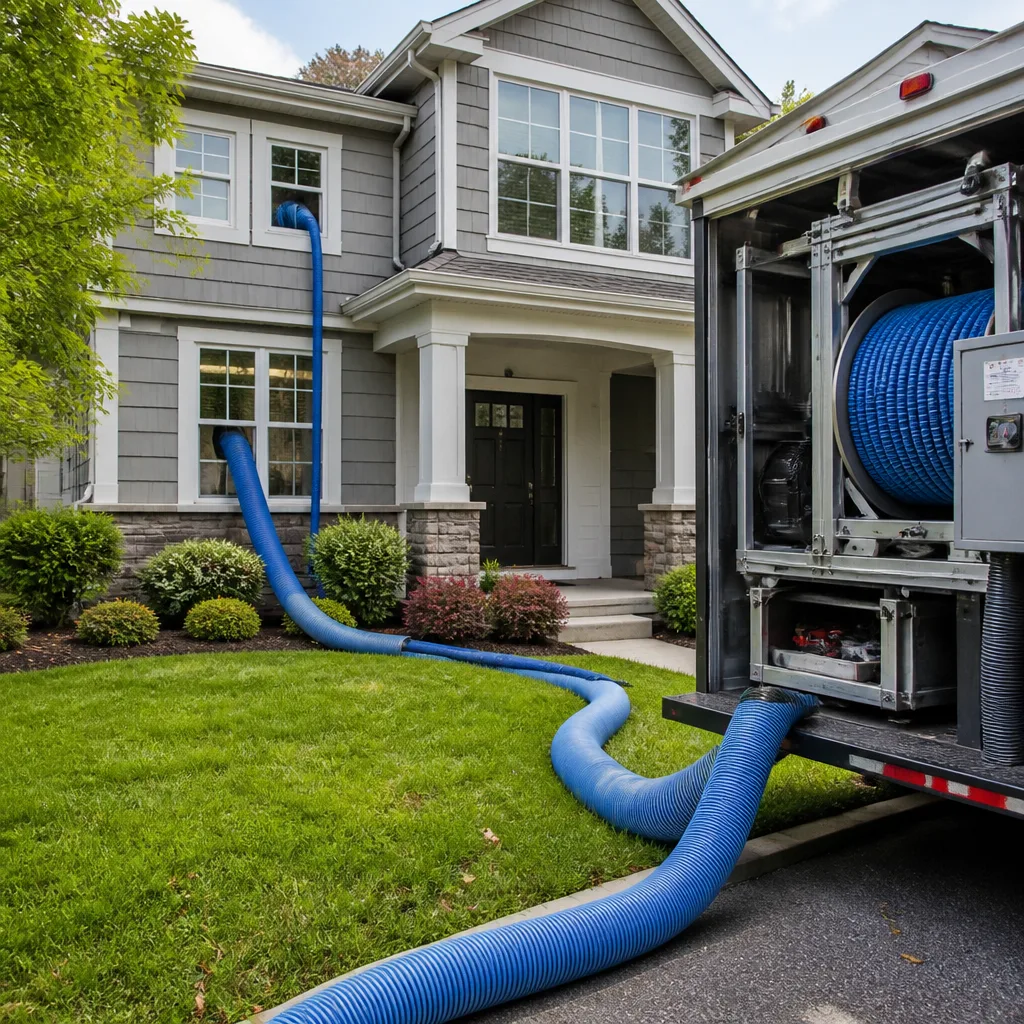 Whole-home duct cleaning
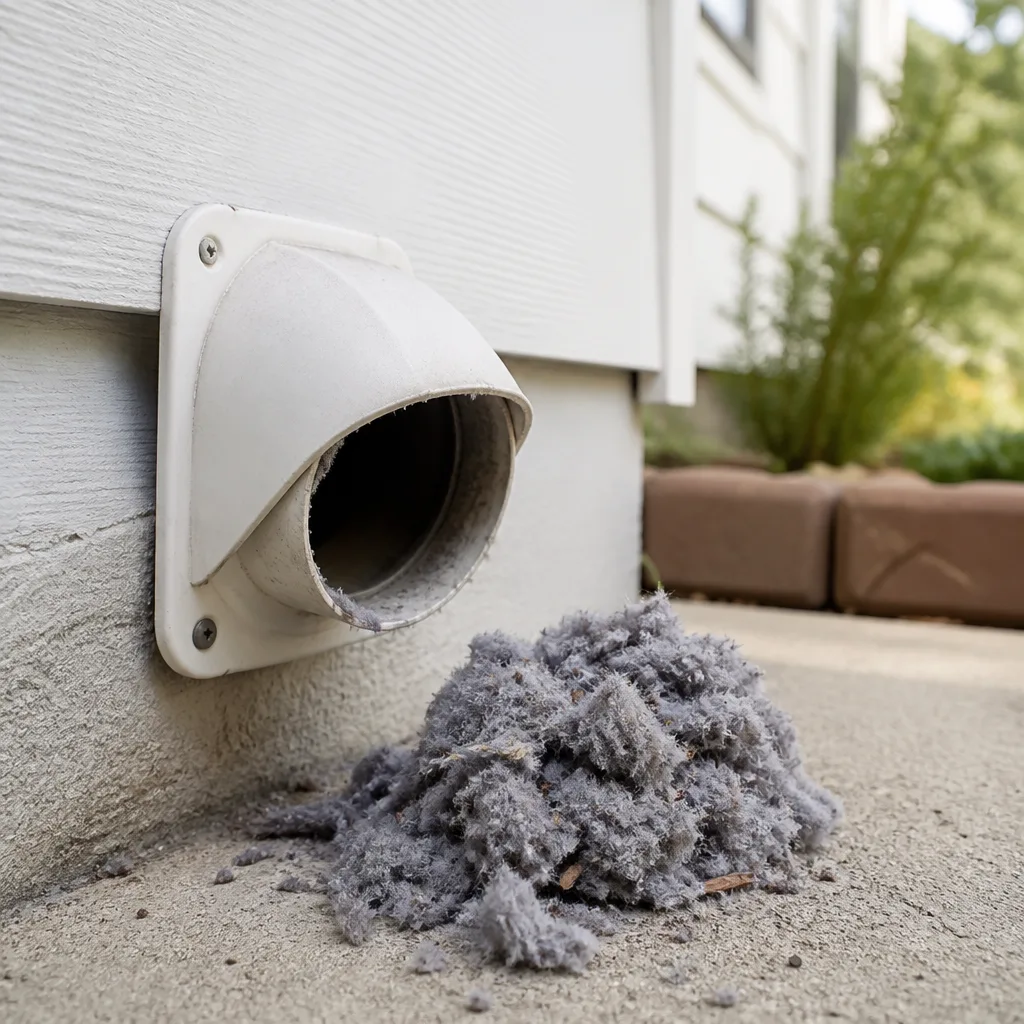 Dryer vent cleaning
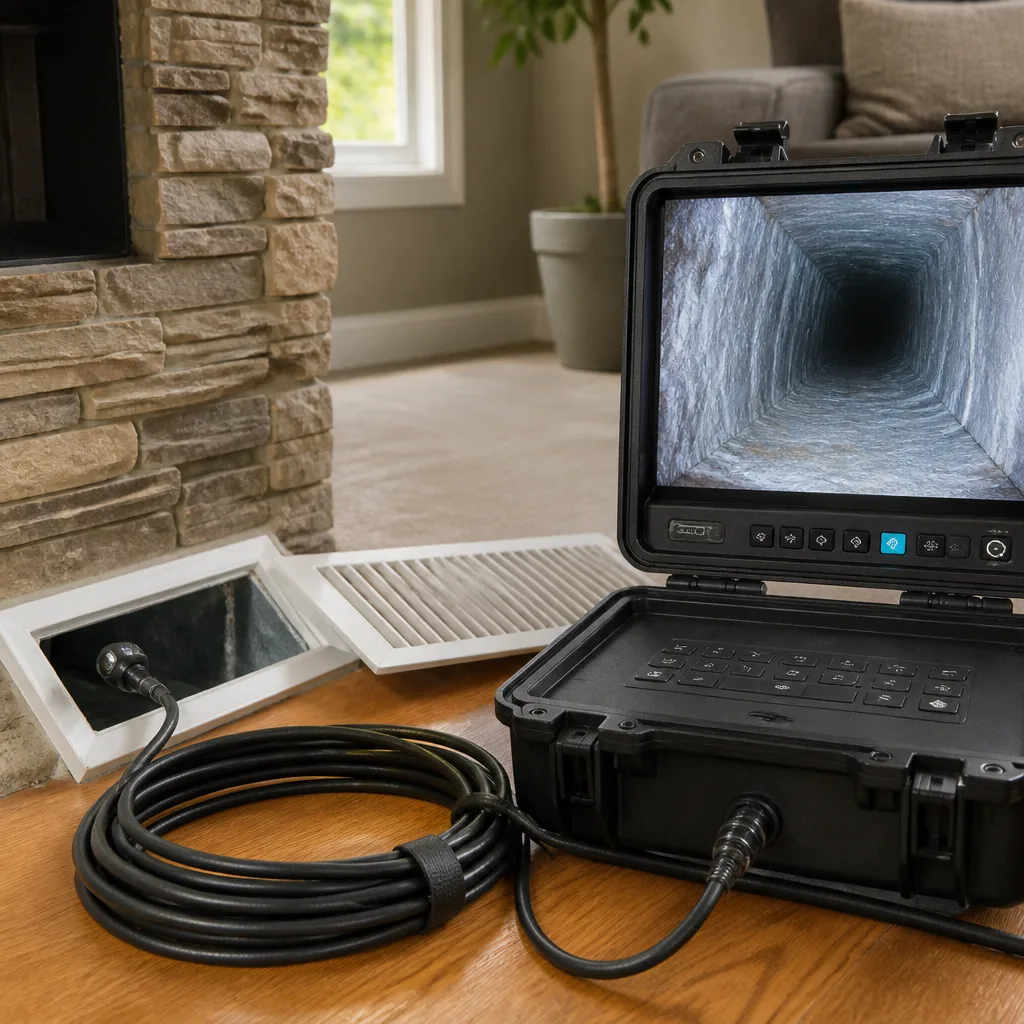 Camera inspection
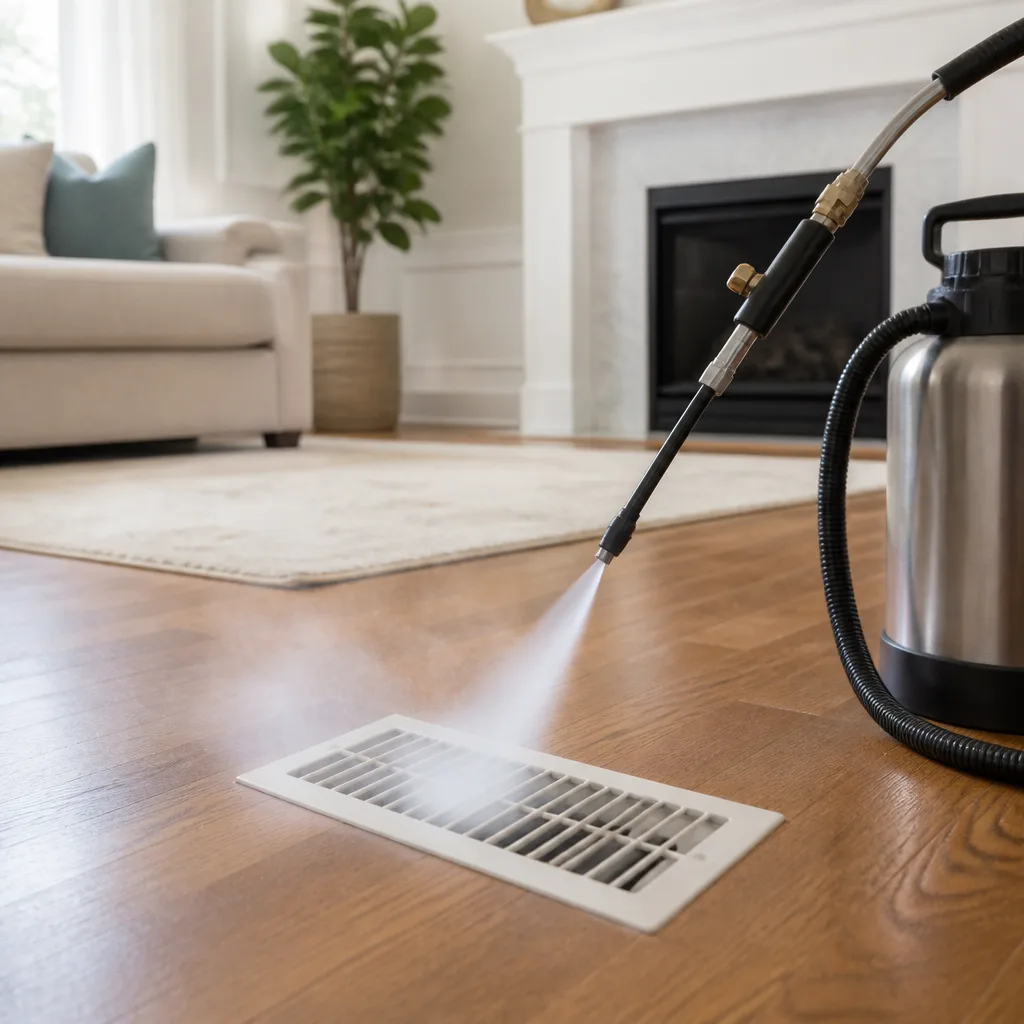 Sanitizing & deodorizing
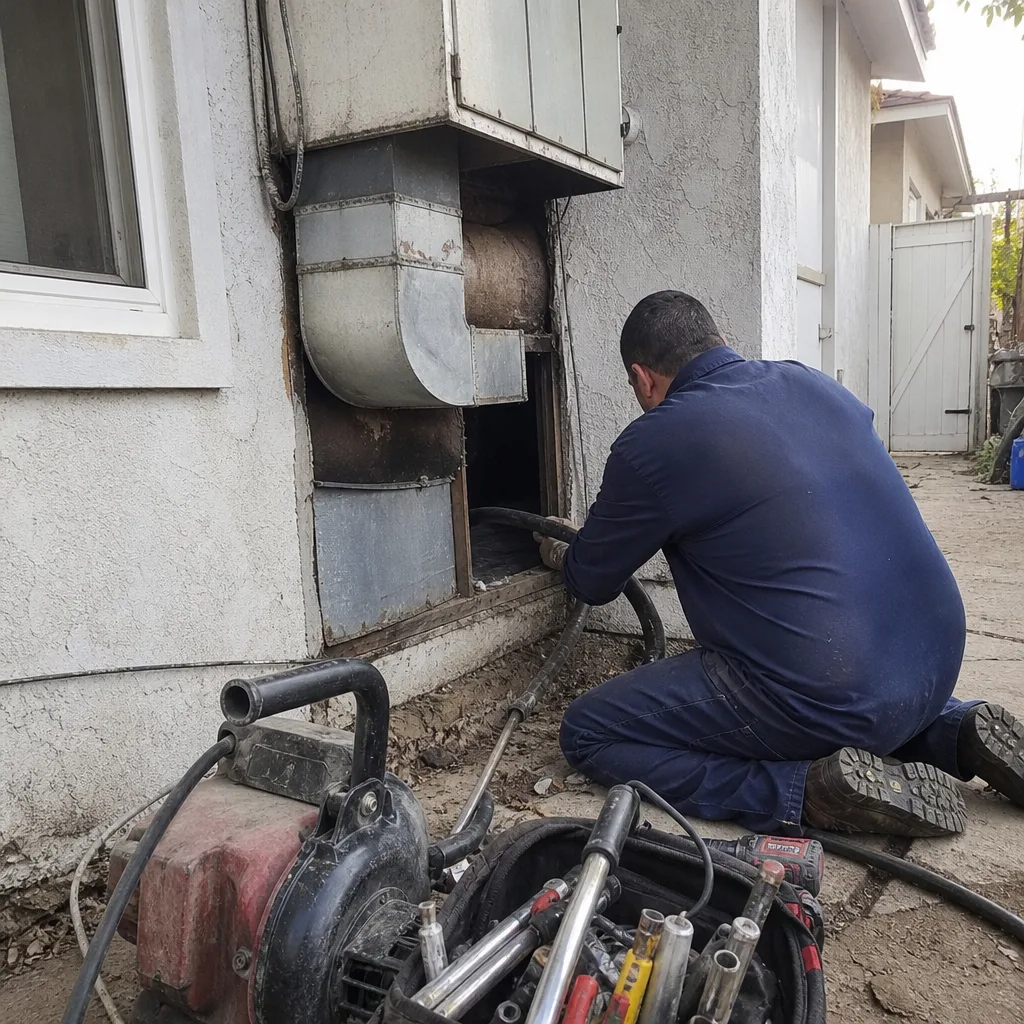
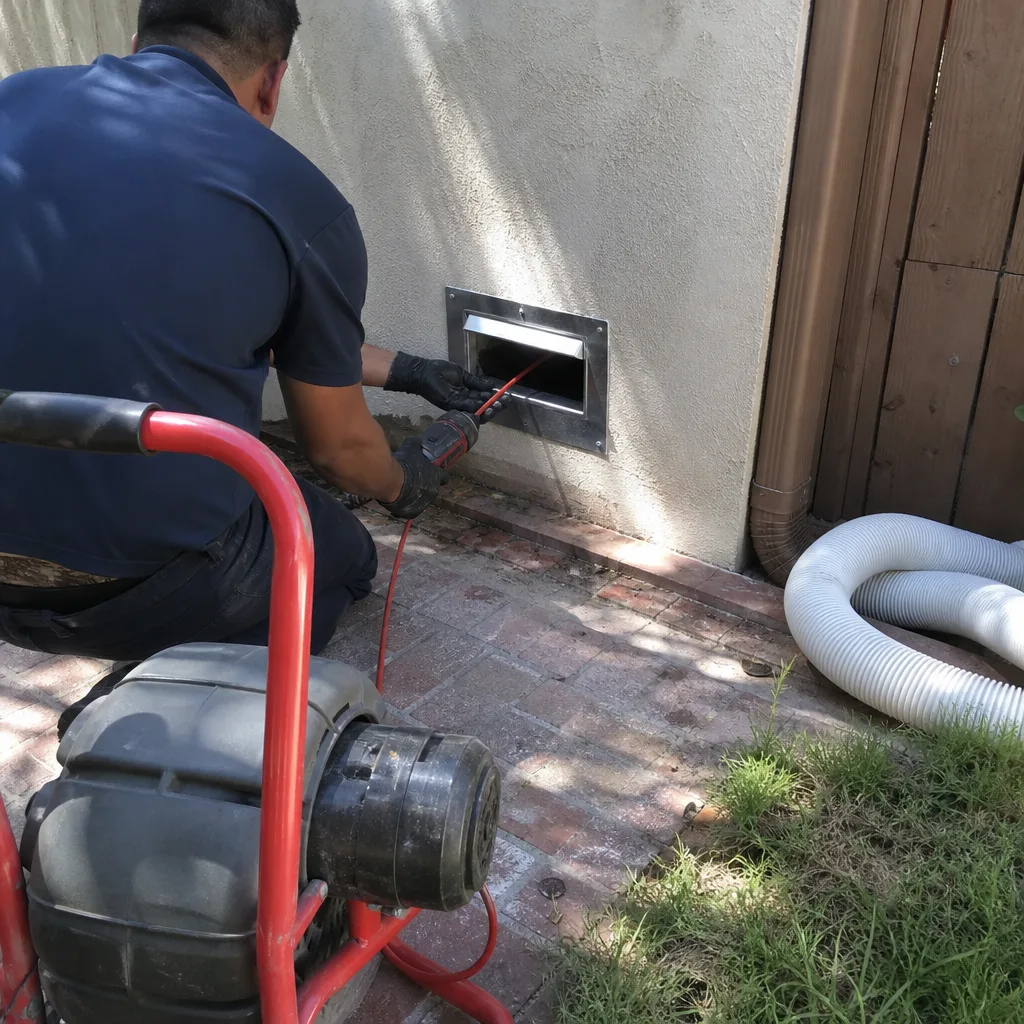
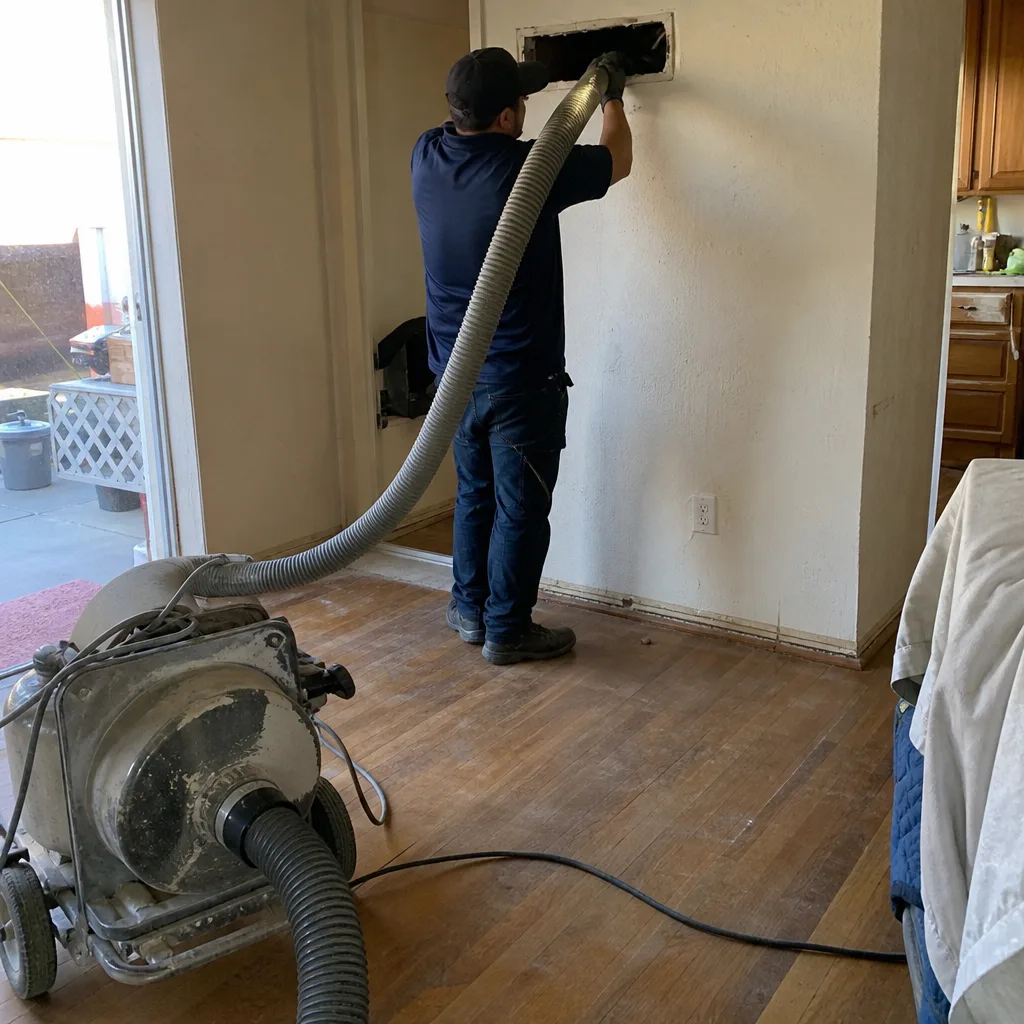
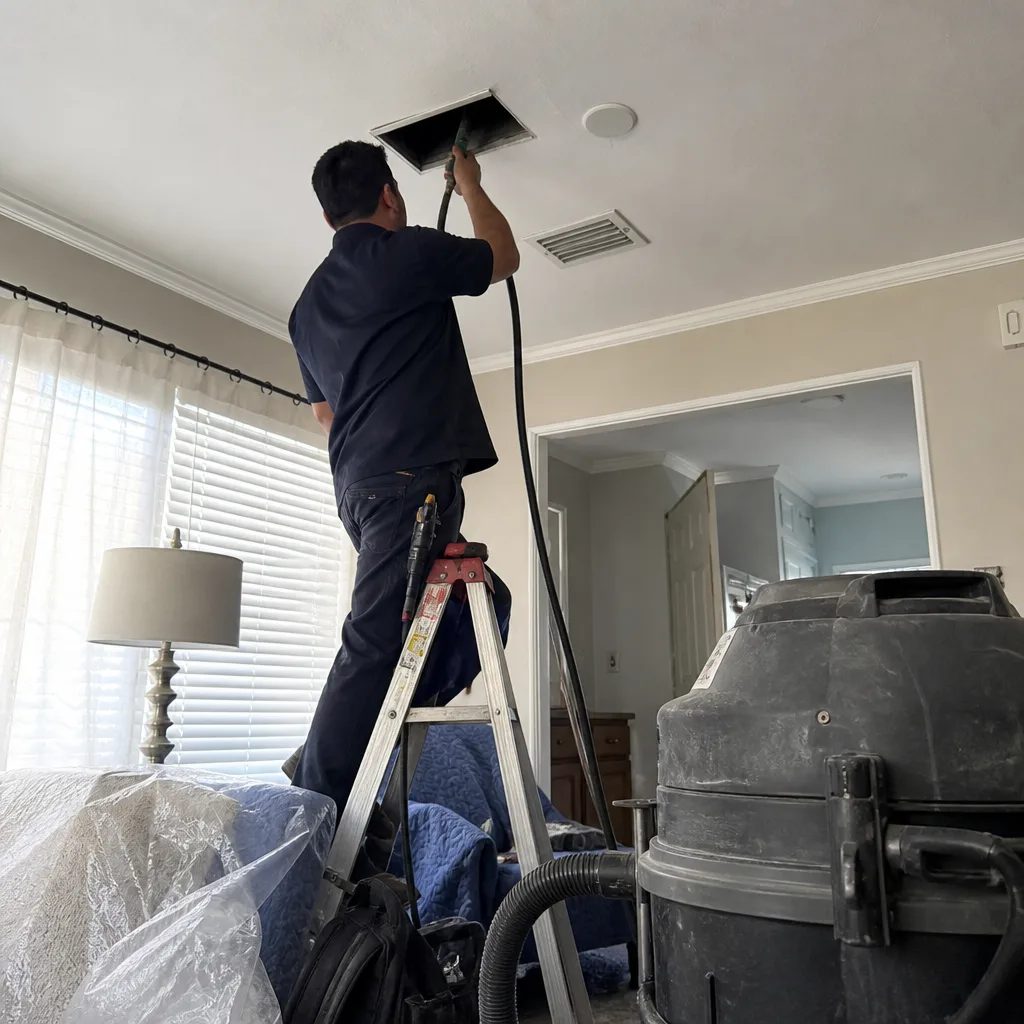
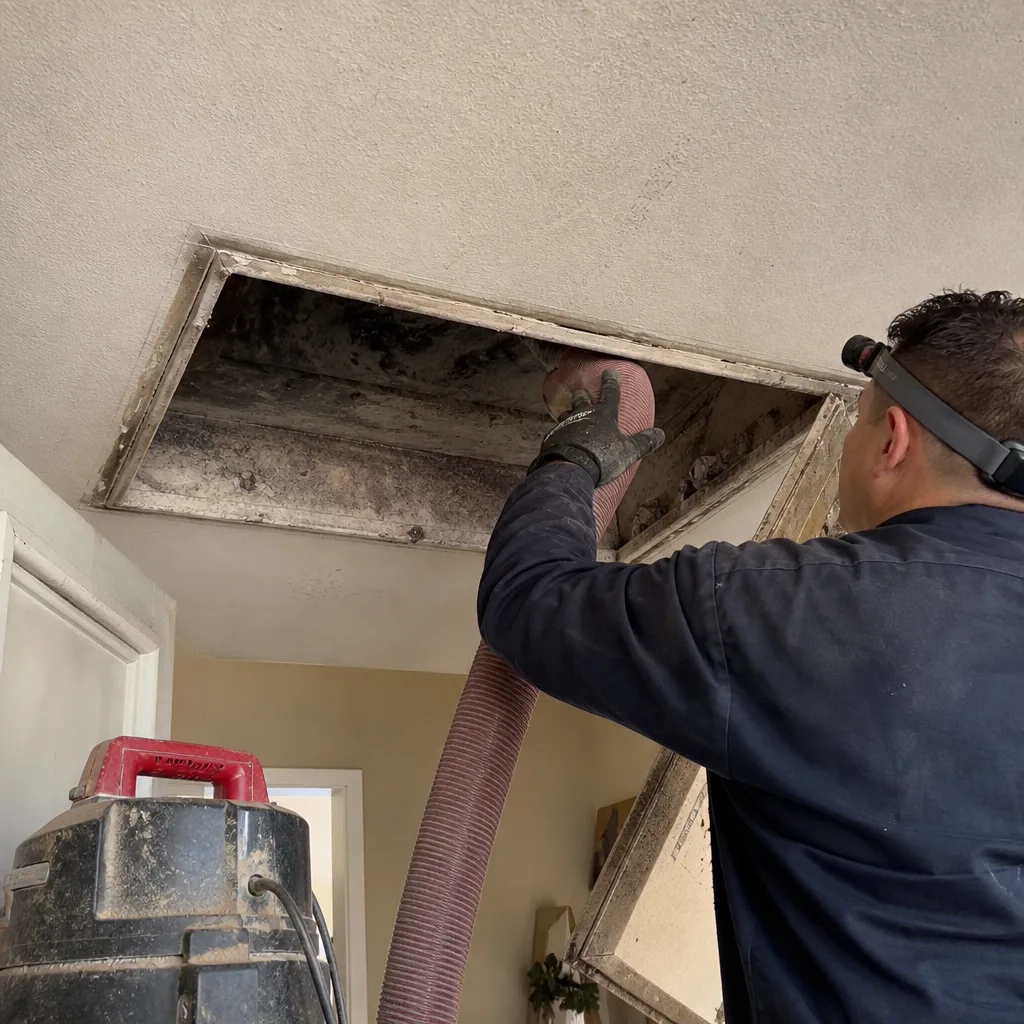
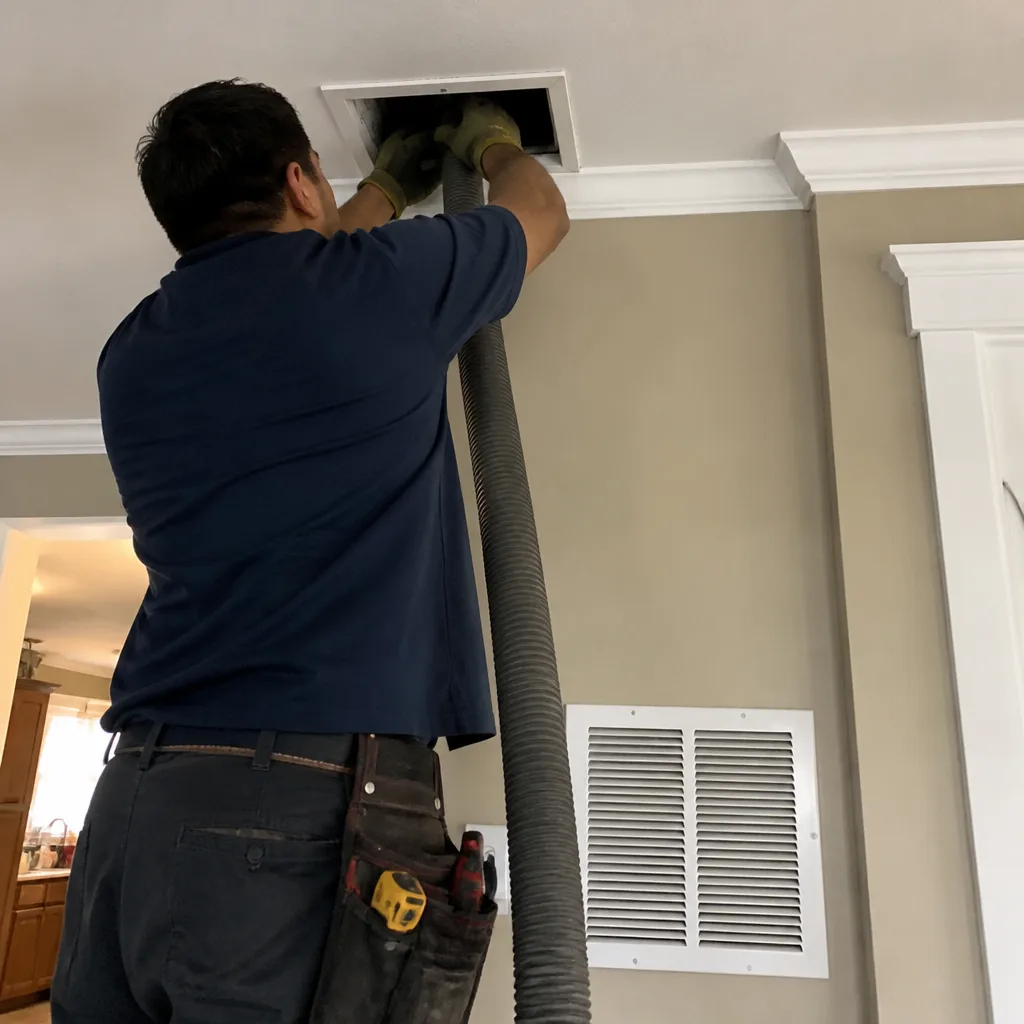
Whole-system duct and dryer vent check with before-and-after photos - you see exactly what came out of your vents
That "$99 whole-house special" is a bait ad - the real number appears once they are in your hallway, or the "clean" is a shop-vac at the register. We photograph the inside of your ducts before and after instead.
Air Duct Cleaning Troubleshooting: Common Problems and How to Fix Them
Here’s a counterintuitive fact we’ve learned from cleaning thousands of duct systems in Rancho Park: most “duct problems” homeowners search for aren’t duct problems at all. They’re symptoms. A musty smell, a dusty register, a room that never cools properly – each one could point to five different root causes, and only some of them live inside your ducts. That’s why “clean it again” is often the most expensive wrong answer. This guide gives you what most contractors won’t: a diagnostic framework that separates duct issues from HVAC unit issues, cleaning problems from repair problems, and real fixes from repeat-service money pits. By the end, you’ll know whether your next call should be to a duct specialist or an HVAC technician, and why that distinction matters more than any coupon price.
Styles & brands we work with
- Whole-home duct cleaning
- Dryer vent cleaning
- Camera inspection
- Sanitizing & deodorizing
Quick Answer
Most common air duct issues fall into four buckets: airflow restriction, odor, visible dust or debris, and moisture. The fix depends entirely on which bucket you’re in. Airflow problems usually point to leaks, blockages, or blower issues, not dirty ducts. Persistent odors after cleaning almost always trace to a moisture source or a dead animal, not leftover dust. Visible dust at registers is often a return-side leak or a filter gap. And moisture inside ducts is a structural problem that cleaning alone won’t fix. If you’re unsure which bucket you’re in, a visual inspection with a scope camera answers it in under an hour.
Table of Contents
- Symptom to Cause: A Diagnostic Matrix for Duct Problems
- Why Your Ducts Still Smell After Cleaning
- Weak Airflow: Duct Leak, Blockage, or Blower Motor?
- The Sequence Mistake: Moisture Before Cleaning
- Dust on Registers That Keeps Coming Back
- Allergy Symptoms That Don’t Improve After Duct Cleaning
- Red Flags: When Cleaning Is the Wrong Next Step
- Common Mistakes to Avoid
- When to Call a Professional
- Frequently Asked Questions
- The Bottom Line
Symptom to Cause: A Diagnostic Matrix for Duct Problems
The fastest way to stop guessing about your duct system is to map what you’re experiencing to what’s most likely causing it. Here’s the matrix we use when a Rancho Park homeowner calls us with a symptom. Notice how many symptoms share causes, and how few of them are solved by cleaning alone.
Symptom-to-Cause Reference Table
| Symptom You Notice | Most Likely Cause | Duct Issue or HVAC Unit Issue? | Right Fix (Not Always Cleaning) |
|---|---|---|---|
| Musty smell, only when AC runs | Condensate pan standing water or coil contamination | HVAC unit | Drain pan cleaning, coil cleaning, or pan treatment |
| Musty smell, constant, all seasons | Duct liner degradation, dead animal, or crawlspace moisture | Duct issue | Inspection first; repair or liner replacement, not re-cleaning |
| Burning or dusty smell when heat first kicks on | Settled dust on heat exchanger or electric strips | HVAC unit | Normal burn-off; if persistent, unit inspection |
| Weak airflow in one room only | Disconnected or crushed duct branch, damper closed | Duct issue | Duct leak inspection; repair, not cleaning |
| Weak airflow throughout the whole house | Clogged filter, blower capacitor, collapsed return, or severely blocked coil | Mixed | Filter check first, then HVAC diagnostic |
| Dust on registers, returns fast after wiping | Return-side duct leak pulling in attic or crawlspace air | Duct issue | Seal the leak; cleaning alone won’t stop source |
| Allergy symptoms spike when system runs | Contaminated coil, pet dander in return plenum, or mold on liner | Mixed | Inspection and targeted cleaning, possibly liner replacement |
| Visible mold on register or nearby drywall | Active moisture from condensation or leak | Moisture issue first | Fix moisture, then assess duct condition |
| Noise: rattling when blower runs | Loose duct hanger, debris in duct, or failing blower wheel | Mixed | Inspection; debris removal if inside ducts |
| Rooms never reach set temperature but airflow feels fine | Poor return path, inadequate insulation, or improperly balanced system | Mixed | HVAC load assessment, not primarily duct cleaning |
What this table makes clear is that many symptoms people associate with dirty air ducts are actually HVAC unit issues or structural problems in the ductwork. A specialist who only sells cleaning will clean anyway. A specialist who knows the difference will tell you when cleaning won’t help, which is the more valuable answer. We’re the second kind. Air duct cleaning in Rancho Park works best when it’s targeted at confirmed duct contamination, not thrown at every symptom blindly.
Why Your Ducts Still Smell After Cleaning
The most frustrating phone call we get goes something like this: “I paid for duct cleaning six months ago and the smell came back.” The assumption is that the cleaning failed. In our experience, the cleaning probably did exactly what it was supposed to do. It removed the accumulated dust and debris inside the ducts. But the smell was never coming from that dust in the first place.
Persistent musty odor after a competent cleaning points to one of three causes, in order of frequency in the Rancho Park area:
1. Coil or Drain Pan Contamination
Your evaporator coil sits above or beside your furnace, in the path of your airflow. It’s wet during cooling season by design. That wet surface captures dust, and over years it becomes a damp, organic mat that produces exactly the musty smell homeowners describe. Cleaning the ducts does nothing to the coil. The coil needs to be accessed, cleaned, and the drain pan and line cleared so water doesn’t pool. This is an HVAC unit issue, not a duct issue, though many good duct cleaning companies will flag it during their inspection because it’s visible from the return plenum.
2. Duct Liner Degradation
Many ducts in older Rancho Park homes are lined with fiberglass insulation on the interior. When that liner gets wet once, or simply ages past 20 years, it begins to break down. It holds moisture, harbors microbial growth, and emits a persistent musty or sour smell that no cleaning will remove. In fact, aggressive cleaning with the wrong equipment can damage degrading liner further. The fix is liner removal and either re-lining or replacing that duct section. This is air duct repair work, not re-cleaning.
3. Dead Animal in the Ductwork
Less common but unmistakable. A dead rodent in a return duct or wall cavity adjacent to the system produces a sharp, acrid smell that comes in waves and gets stronger when the fan pushes air. Cleaning won’t remove the carcass if it’s wedged in a framing cavity. You need an inspection with a scope camera to locate it, then removal and sanitizing of the affected area.
If the smell you’re dealing with started after recent water intrusion, a roof leak, or a bathroom vent discharging into the attic instead of outside, the odor is a moisture symptom. More on that in the sequence section below.
Weak Airflow: Duct Leak, Blockage, or Blower Motor?
Reduced airflow is the most common reason homeowners in Rancho Park suspect their ducts need cleaning. Sometimes they’re right. Often they’re not. Here’s how to tell the difference without spending money on a service you don’t need.
Step 1: Check the Filter
We know this sounds obvious. It’s still the cause of roughly a third of the airflow complaints we hear. A clogged 1-inch filter that hasn’t been changed in six months can cut airflow by half. Change it, run the system for an hour, and see if airflow improves before doing anything else.
Step 2: The Dollar Bill Test
Pick a room where airflow feels weak. With the system fan running, hold a dollar bill up to the register. If it barely moves or falls limp, you have real restriction. If it flutters weakly compared to other rooms, the restriction is branch-specific, not whole-system. A branch-specific restriction points to a crushed or disconnected duct serving that room, which is a repair issue, not a cleaning issue.
Step 3: Check the Damper
Many homes have manual dampers on branch ducts, usually small wing-nut handles on the duct near the plenum. If a previous owner or a technician adjusted them, one room could be partially closed off. Open dampers fully and re-test before assuming a blockage.
Step 4: Distinguish Blower from Ducts
If every register is weak and the filter is new, the problem is more likely at the blower or coil than in the ducts themselves. Unplugged or failing capacitors make blower motors run slow. A coil so caked with debris that air can’t pass through it produces whole-house restriction. Both are HVAC unit diagnoses. A blower motor struggling to spin is not something a duct cleaning will fix, and any honest specialist will tell you so before booking a cleaning.
Step 5: Look for Visible Duct Problems
In crawlspace or basement access areas, a disconnected duct joint, a crushed flexible duct, or a collapsed return is often visible with a flashlight. These are air duct repair scenarios. The damaged section needs to be reconnected, replaced, or re-supported. Cleaning will not restore airflow through a duct that’s physically compromised.
When we inspect systems in Rancho Park with our air duct cleaning service, we scope the branches and plenums with a camera. What we find determines the recommendation. Sometimes the ducts are dirty and scraping debris is blocking airflow. Usually not. Usually it’s a disconnected branch under the house or a blower motor on its last legs.
The Sequence Mistake: Moisture Before Cleaning
Here’s the single most important rule in this entire guide, and the one most homeowners never hear from contractors: if your ducts are wet, or have been wet recently, cleaning is the wrong first step.
The reason is simple. Duct cleaning removes accumulated debris and dislodges contaminants using professional equipment like the Rotobrush and Nikro systems we run. But it cannot remove active moisture. If there’s a leak, a condensation problem, or a humidity source feeding moisture into your ducts, the moisture remains after cleaning. And within months, the conditions that created the problem are back – often worse, because cleaning disturbed surfaces and exposed more material to the moisture.
How to Identify Active Moisture in Your Duct System
- Inspect accessible duct surfaces. In crawlspace or basement runs, look for water stains, rust on metal ducts, or sagging insulation wrap. Water stains are a moisture history; active dampness is a current problem.
- Check the condensate drain. If your AC drain pan or line is clogged, water backs up and can wick into the return plenum or ductwork depending on system orientation. A full pan is often visible from the access panel.
- Rule out dryer or bath vent discharge. If a bathroom fan or dryer vent terminates in the attic instead of outside, the warm moist air finds its way into return ducts through gaps. We see this frequently in older Rancho Park homes where vent terminations were never updated.
- Check return ducts in unconditioned spaces. In Rancho Park’s coastal-adjacent climate, ducts running through crawlspaces or attics can sweat when warm indoor air meets cooler duct surfaces, or when humid air infiltrates through gaps. Condensation on the outside is an insulation issue. Moisture on the inside is a leak or infiltration issue.
The sequence that works is: find the moisture source, fix it, let the system dry completely, then clean. Cleaning after the moisture is resolved removes the dust and debris that got damp and contaminated during the wet period. Cleaning before the fix just stirs the problem around and sets you up for a repeat service in a year.
Dust on Registers That Keeps Coming Back
You wipe the registers. Two weeks later, a gray film is back on the edges. This is probably the most common complaint we hear in Rancho Park, and it’s a classic example of a symptom with multiple root causes.
Cause 1: Return-Side Duct Leaks
Your return ducts pull air from the house back to the unit. If there’s a gap or disconnect in a return duct running through your attic or crawlspace, the system pulls dirt, insulation fibers, and whatever else is in that unconditioned space directly into your airflow. That material gets distributed through your supply registers as dust. This is the single most common cause of persistent register dust in homes with attic or crawlspace duct runs. The fix is sealing the return duct, not repeatedly cleaning the supply side.
Cause 2: Filter Gaps and Bypass
A filter that doesn’t fit the slot, a missing filter cover, or a filter rack installed incorrectly allows unfiltered air to bypass the filter entirely. When the filter isn’t capturing dust, that dust travels through the coil, through the supply ducts, and onto your registers. Check that the filter fits snugly and covers the entire opening.
Cause 3: Old Ductwork Shedding Material
Duct liner and flex duct degrade over time. When fiberglass liner breaks down, it sheds particles into the airstream. If the dust on your registers looks like fine fiberglass or sparkles in direct sunlight, it may be liner material from inside the ducts themselves, not household dust at all.
Cause 4: The Coil as a Dust Factory
A coil caked with years of accumulated debris continuously releases particles as air passes over it. This is why some homes seem to generate dust no matter how often registers are wiped. The source is upstream of the ducts, sitting on the coil surface. Professional air duct cleaning in Rancho Park should include access to and cleaning of the coil area if needed, not just the ducts downstream.
Allergy Symptoms That Don’t Improve After Duct Cleaning
If you had your ducts cleaned because someone in the house has allergies or respiratory sensitivity, and symptoms didn’t improve, you’re right to be frustrated. Here’s what’s usually going on, in the order of how commonly we find it when we follow up on these cases.
The Coil Was Never Cleaned
We covered this above, but it bears repeating here because it’s so often the missing piece. The coil is upstream of your supply ducts. If it’s contaminated, every allergy trigger living on its surface is still being distributed through the house after the ducts are spotless. Many duct cleaning companies don’t open the coil access panel. Ours does. The coil is part of the air system, not a separate appliance.
The Return Plenum Was Missed
The return plenum – the box where return air enters the unit – is often the dirtiest part of the entire system. Pet hair, dust, and debris collect there because it’s the collection point for everything your return pulls in. If a cleaning skipped the return side entirely, the bulk of the allergen load remains in circulation.
The Problem Isn’t the Ducts
Sometimes the ducts were never the issue. If the allergy trigger is in the carpet, the bedding, or the HVAC filter is a cheap fiberglass panel that doesn’t capture fine particulates, duct cleaning won’t change the outcome. In those cases, a filter upgrade is often the more impactful fix. We’re familiar with whole-home filtration products from Honeywell and Aprilaire and can recommend a compatible upgrade based on your existing system, because a higher-MERV media filter or electronic air cleaner does more for airborne allergen reduction than duct cleaning in many homes. The ducts being clean matters. So does what’s filtering the air moving through them.
Red Flags: When Cleaning Is the Wrong Next Step
This section is what separates a responsible specialist from a company that just sells duct cleaning. Here are the scenarios where cleaning should not be your next step.
Active Water Problem
If you know or suspect active moisture in your ducts – a leaking roof, a plumbing issue, a clogged condensate pan – cleaning is premature. Fix the water first. Cleaning wet ducts wastes your money and disturbs contaminated material before the environment is corrected.
Visible Mold on Ducts or Adjacent Building Material
Mold on duct surfaces or on the drywall around registers is a moisture and contamination issue that requires assessment beyond routine cleaning. If mold is present on building materials outside the ducts, that’s a broader remediation scope than duct cleaning. A specialist will tell you this directly rather than cleaning around the problem.
Collapsed or Severely Damaged Ducts
A crushed flex duct, a disconnected branch, or a return duct that has separated at a joint are repair issues. Cleaning will not restore function to structurally failed ductwork. Air duct repair in Rancho Park addresses the physical failure; cleaning addresses the contamination. They’re different services with different goals.
Blower or Coil Failure
If your blower motor is failing, no amount of duct cleaning restores airflow. If your coil is frozen, the problem is refrigerant or airflow, not debris. A trained inspection will identify these before you spend money on a cleaning that won’t fix them.
New Construction Debris
After a remodel or full renovation, ducts often contain drywall dust, sawdust, paint chips, and construction debris. This is actually a scenario where cleaning is appropriate, but it’s different from routine cleaning. It requires high-volume extraction and sometimes multiple passes because construction debris is heavier and more abrasive than household dust. The job needs professional equipment, not a maintenance-grade service.
Common Mistakes to Avoid
- Cleaning without inspecting first. A camera inspection identifies whether duct cleaning is even the right service. Skipping it means you’re paying for a remedy that may not match the disease. In Rancho Park, where duct systems vary widely by era of construction, an inspection is always step one.
- Re-cleaning to fix an odor problem. If the first cleaning didn’t remove the smell, the second won’t either. Odors come from moisture, coil contamination, or dead animals, none of which are fixed by vacuuming ducts again. Find the source instead.
- Ignoring a return-side leak. The dust on your registers is often coming from your attic or crawlspace through a gap on the return side. Cleaning the supply ducts repeatedly while the leak persists is like bailing a boat without plugging the hole.
- Upgrading filtration without addressing duct leakage. A high-MERV filter restricts airflow. If your ducts are already leaking, adding filter resistance can reduce system performance. The sequence is: seal the ducts, then choose filtration the system can handle.
- Assuming cleaning covers the whole system. Coil, blower compartment, return plenum, and branch ducts are all part of the air system. A cleaning that only addresses the branch ducts leaves the most contaminated surfaces untouched.
- Waiting until there’s a problem. Duct systems in homes with pets, carpet, or recent construction accumulate debris faster. Periodic inspection identifies issues like duct liner degradation or return leakage early, before they become odor or airflow problems.
When to Call a Professional
Some duct problems are visible and obvious. Others require a trained eye, a scope camera, or an understanding of airflow dynamics that only comes from focused experience. Call a professional when you have an odor that won’t resolve, a room that won’t heat or cool, visible moisture in or around ductwork, dust that returns within days of wiping registers, or any suspicion that the problem is inside the duct walls where you can’t see. The right specialist will tell you what they found and what needs to happen – even if the answer isn’t cleaning. Air Duct Cleaning Rancho Park offers free estimates in Rancho Park. Call (855) 974-1911 and we’ll scope the system, show you what’s there, and give you an honest recommendation.
Frequently Asked Questions
You’ll know by inspecting the system rather than guessing. Visible dust accumulation inside the return plenum, debris buildup on the coil, pet hair matting on return grilles, or dust actively blowing from supply registers when the system runs are all indicators that duct cleaning is warranted. In Rancho Park, homes with pets or recent renovation work tend to accumulate contamination faster. The most reliable way to know is to have a camera inserted into the ducts and actually look at what’s inside. Call (855) 974-1911 for a free assessment.
A musty smell that appears only when the AC runs is almost always coil or drain pan contamination, not a duct problem. The evaporator coil is wet during cooling operation and accumulates organic material over time. That material produces the musty odor you’re smelling. Cleaning the ducts won’t fix it; the coil needs to be accessed, cleaned, and the drain line cleared. If the smell is constant regardless of whether the system runs, the cause is more likely duct liner degradation or a dead animal in the ductwork.
In Rancho Park, whole-system air duct cleaning typically runs between $450 and $850 depending on the size of the home, the number of returns, and system accessibility. The price is per system, not per vent. Anyone quoting less than a few hundred dollars is likely not pulling real equipment through your ducts. Anyone quoting per-vent prices is playing a bait-and-switch game. We quote one flat price per system before work starts, and that price doesn’t change once the equipment is in the driveway. Call (855) 974-1911 for an exact quote.
Because they’re not doing the same job. A $99 whole-house duct cleaning is almost always a loss leader for a high-pressure upsell, or it’s a “blow and go” job where a technician spends 40 minutes waving a vacuum hose at your registers. Real duct cleaning involves professional equipment connected to the main trunk lines, agitation to dislodge debris, negative pressure to capture it, and an hour or more of actual work. The equipment we run – Rotobrush and Nikro systems – is the same equipment industrial hygienists specify. It’s not cheap to own or operate, and the price reflects that.
Ask for visual proof. We provide before-and-after photos from inside your ducts, so you can see the surfaces we cleaned. Every estimate includes camera access to show you what’s actually in the ducts, and every job ends with after-photos of the same areas. That’s the difference between a company that cleans ducts and a company that just runs a vacuum. Call (855) 974-1911 if you want to see proof rather than take someone’s word for it.
Most homes in Rancho Park should have ducts cleaned every 3 to 5 years. Homes with multiple pets, homes with residents who have respiratory conditions, homes that have recently been renovated, and homes with smokers often need it more frequently, in the 2 to 3 year range. Homes with no pets, no carpet, and a high-quality filter may be fine at 5 years or longer. There’s no universal schedule – the condition of the system dictates the interval, not the calendar.
The Bottom Line
Most air duct “problems” are symptoms with root causes that live somewhere specific. A smell is a moisture or coil issue. Weak airflow is a leak, a blockage, or a blower problem. Dust on registers is a return-side leak or a filter gap. Allergy symptoms that persist after cleaning are usually a coil or filtration issue. Before you pay for any duct service, get a camera inspection so you know what you’re actually dealing with. The right specialist will tell you when cleaning is the answer, when repair is the answer, and when the problem lives in the HVAC unit rather than the ducts. That honesty is worth more than any discount. If you’re in the Rancho Park area and want a straight answer about what’s inside your ducts, call (855) 974-1911 – we’ll look, we’ll show you, and we’ll tell you the truth.
Written by the team at Air Duct Cleaning Rancho Park, serving Rancho Park since 2014.
See the difference
 Before
 After
 Before
 After
 Before
 After