
Last updated November 2, 2026
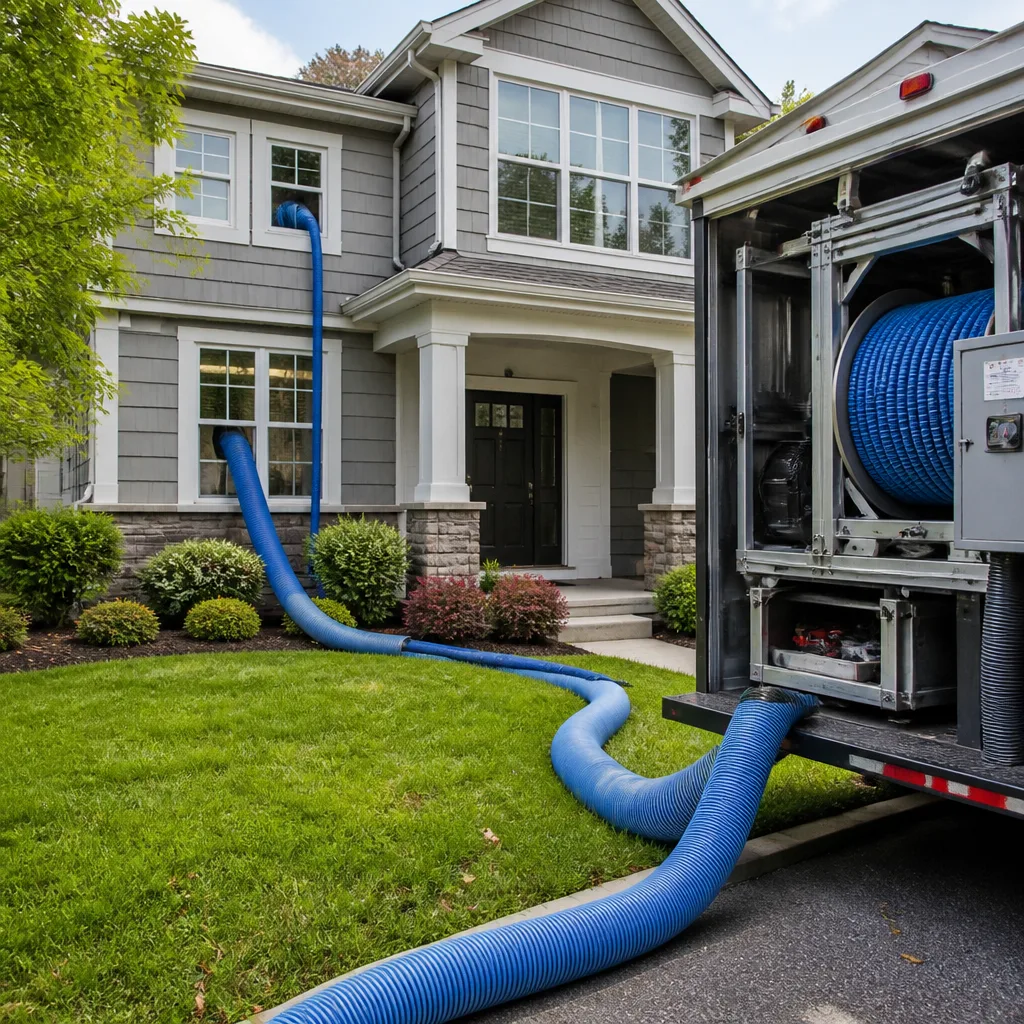 Whole-home duct cleaning
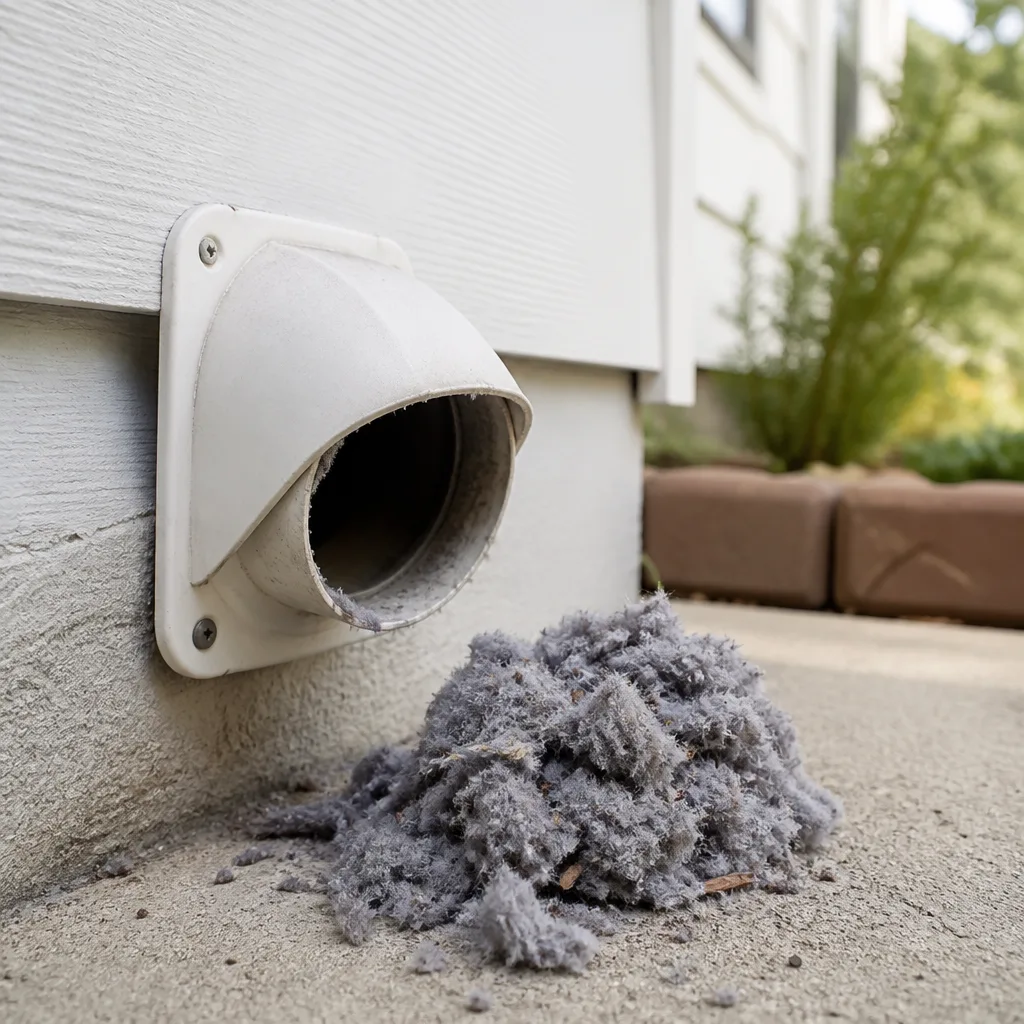 Dryer vent cleaning
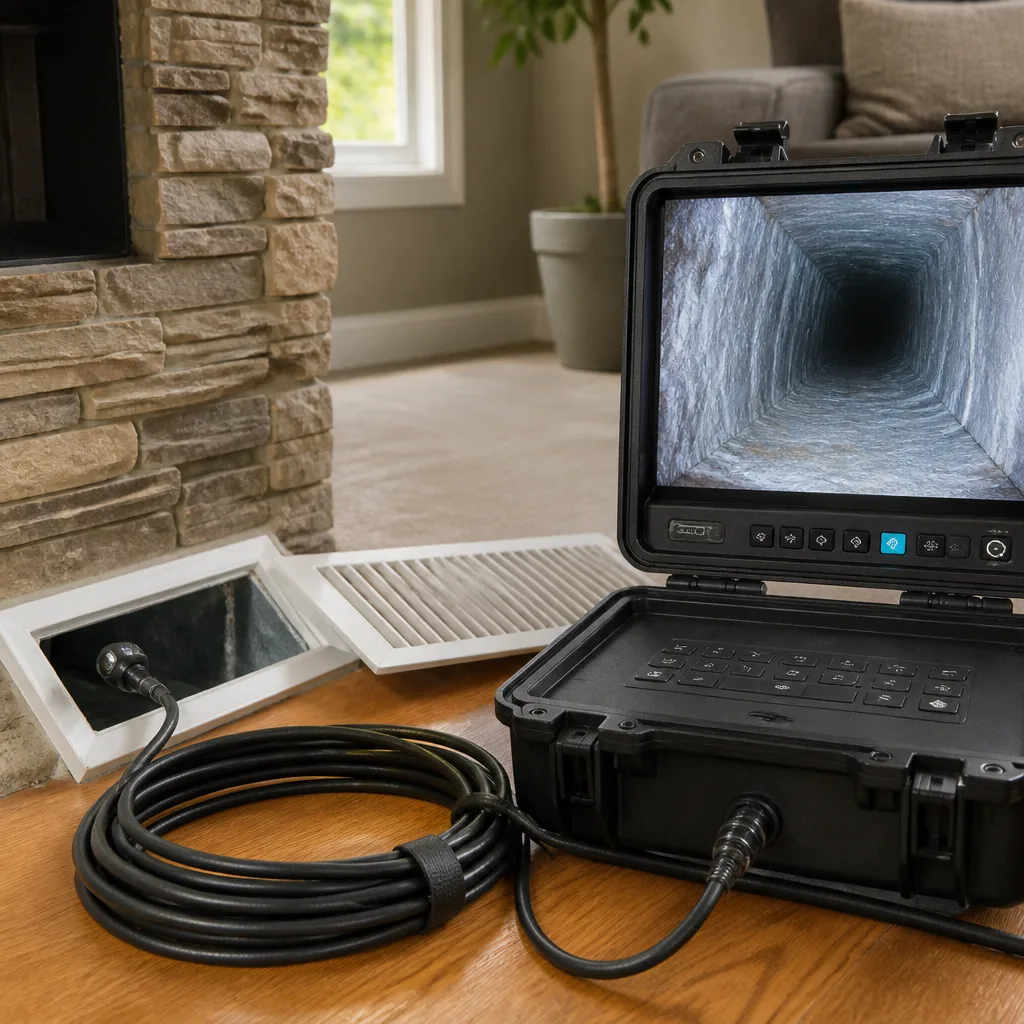 Camera inspection
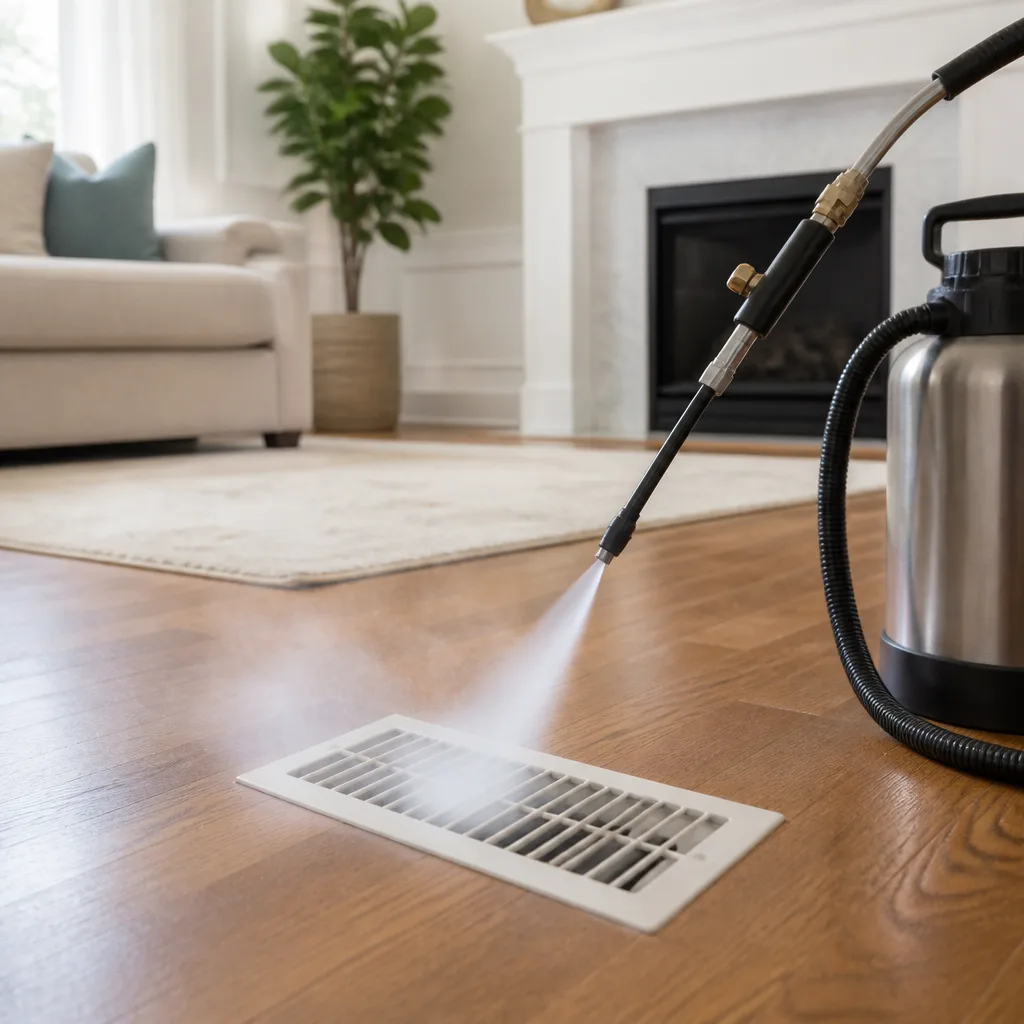 Sanitizing & deodorizing
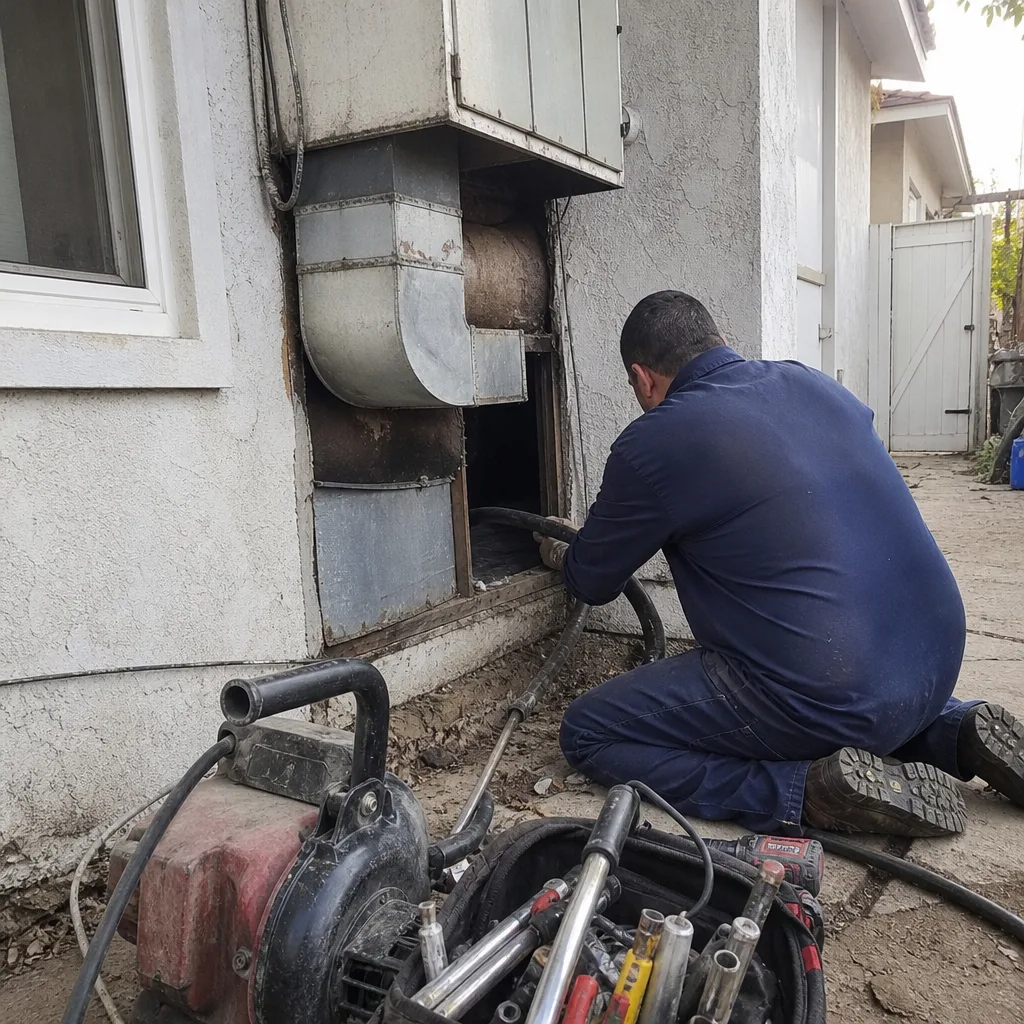
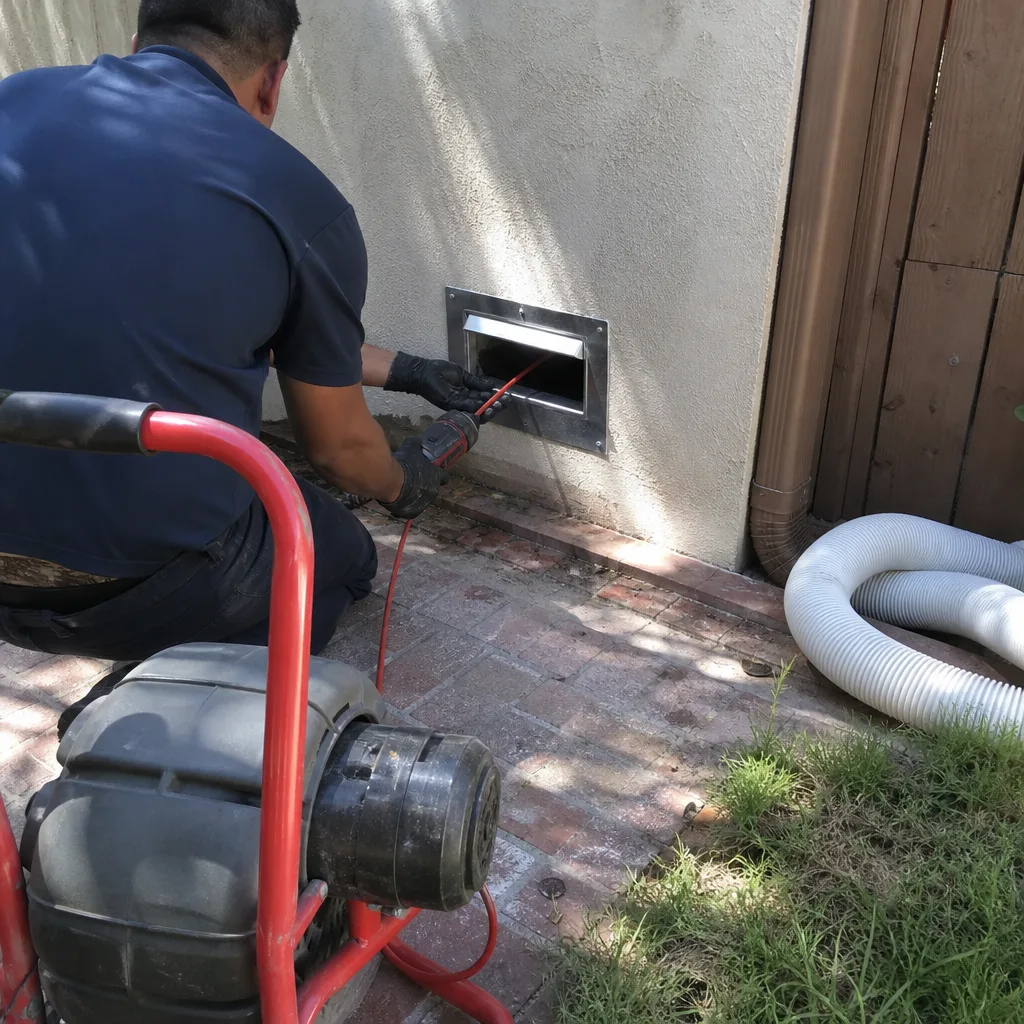
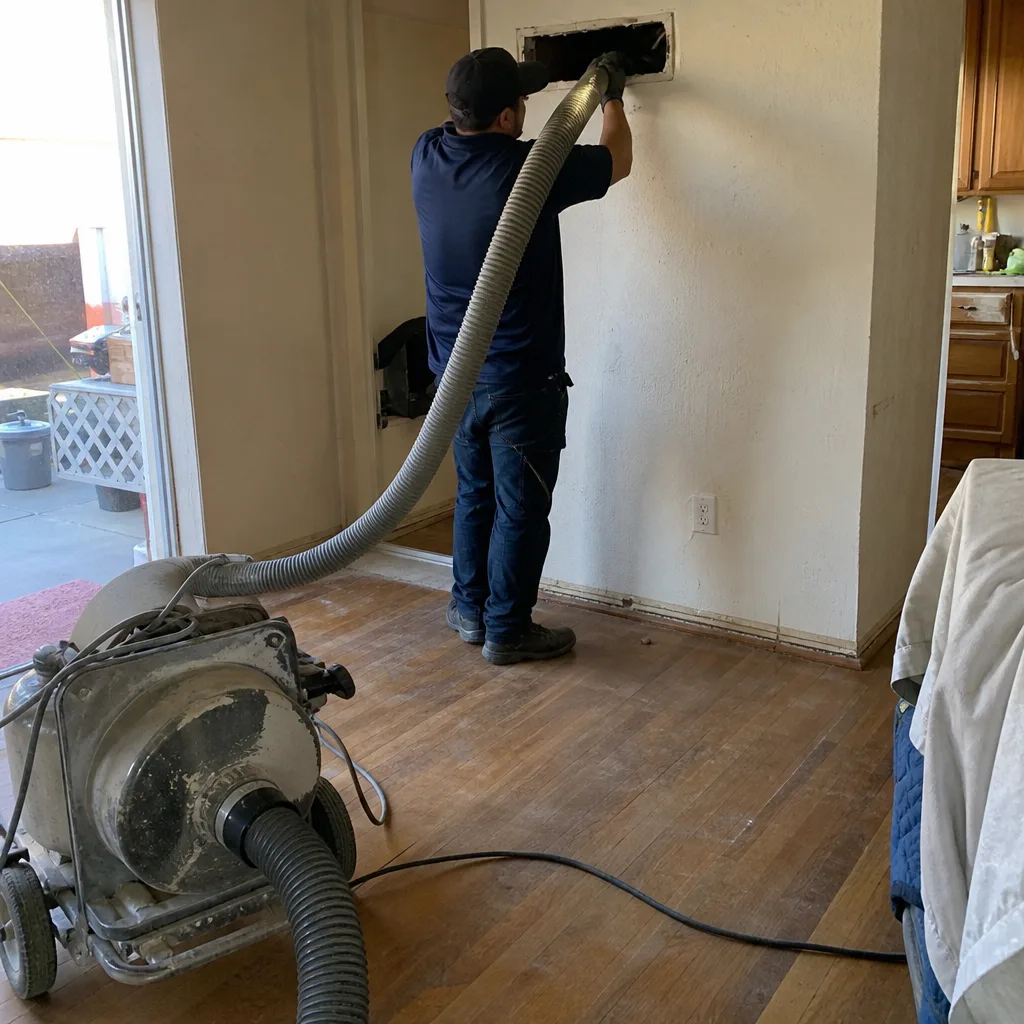
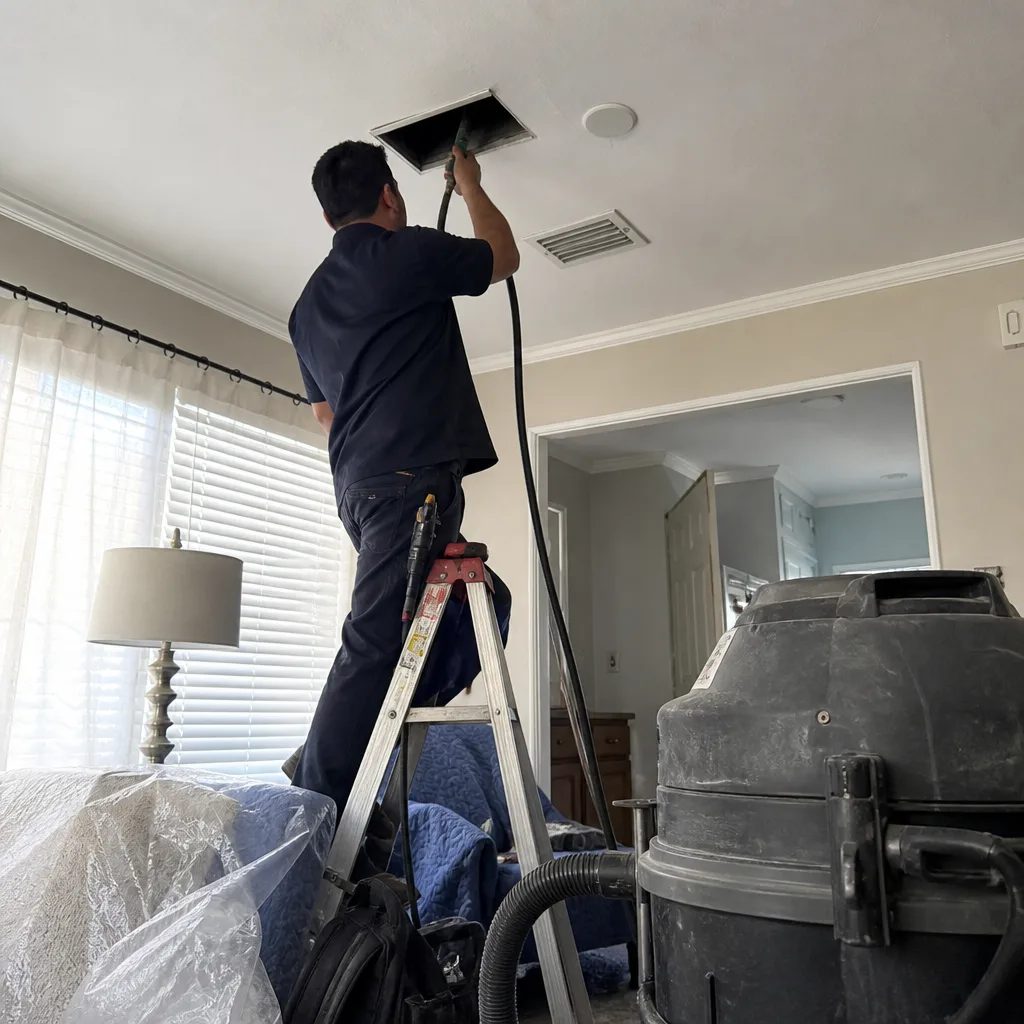
Whole-system duct and dryer vent check with before-and-after photos - you see exactly what came out of your vents
That "$99 whole-house special" is a bait ad - the real number appears once they are in your hallway, or the "clean" is a shop-vac at the register. We photograph the inside of your ducts before and after instead.
Air Duct Cleaning Warning Signs: A Rancho Park Homeowner’s Reference Guide
Most warning sign checklists tell you to look for dust blowing from your registers. That’s the obvious stuff. The reality in Rancho Park is more subtle. Our service calls often start with a homeowner describing something they’ve been rationalizing for months: a smell that comes and goes, a room that never quite cools, a dryer that takes two cycles to finish a load. These aren’t quirks of an older home. They’re data. And the data usually points to the duct system. This guide catalogs the signs most people dismiss, the ones that are actually the earliest and most reliable indicators of duct degradation. We’ll cover what to look for, what to measure, and when the problem is beyond what a flashlight and a filter change can handle.
Quick Answer
The most reliable early warning signs of dirty or failing air ducts in Rancho Park are: dust that reappears on surfaces within 24 to 48 hours of cleaning, a musty or stale odor that fades within 10 minutes of the system starting, room-to-room airflow inconsistencies, visible dust or debris at register openings even after vacuuming, unexplained utility bill increases of 10 percent or more without a corresponding change in usage, and dryer loads taking longer than one cycle to dry. Any one of these is worth investigating. Two or more together usually means a duct system needs professional attention.
Styles & brands we work with
- Whole-home duct cleaning
- Dryer vent cleaning
- Camera inspection
- Sanitizing & deodorizing
Table of Contents
- The Dust Test: Settling Dust vs. Duct Dust
- The Musty Odor That Disappears: Why You Rationalize It Away
- Room-by-Room Airflow Inconsistency: The Trash Bag Test
- Pest Intrusion and Nesting: A Rancho Park Construction Reality
- Utility Bill Drift: What Duct Leakage Looks Like on Paper
- Dryer Vent Warning Signs: It’s Not the Appliance
- What You’ll See at the Register: A Visual Inspection Checklist
- Common Mistakes to Avoid
- When to Call a Professional
- Frequently Asked Questions
The Dust Test: Settling Dust vs. Duct Dust
All homes accumulate dust. That’s not news. The question is where it comes from and how fast it returns. Dust that settles from normal living comes from skin cells, fabric fibers, pet dander, and outdoor particulate tracked in on shoes or pulled through open windows. It accumulates over the course of a week or two. Dust that returns within 24 to 48 hours of a thorough cleaning is a different animal entirely. That’s dust being actively circulated through your duct system and blown into your living space every time the HVAC fan kicks on.
Here’s a test we recommend to Rancho Park homeowners: dust every horizontal surface in one room thoroughly. Use a damp cloth, not a dry one you’re just pushing dust around. Count the days until you can visibly see dust on those same surfaces again. If it’s less than three days, and especially if it’s less than 48 hours, your ducts are almost certainly the source. Normal settling takes five to seven days to become visible in most homes. Anything faster means the air moving through your rooms is carrying particulate load from somewhere upstream in the system.
The type of dust matters too. Duct dust tends to be finer and darker than household dust. It’s often a gray-black film rather than the fluffy light-colored dust from fabrics and skin cells. If you wipe a surface and the cloth comes away with a dark residue, that’s consistent with dust that’s been cycled through a return plenum and passed over a decades-old filter frame. It’s worth noting that in our experience with Air Duct Cleaning Rancho Park home evaluations, the homes with the fastest dust recurrence are almost always the ones with the longest time since their last duct service. The correlation is not subtle.
The Musty Odor That Disappears: Why You Rationalize It Away
Here’s the scenario we hear constantly from homeowners in Rancho Park: the AC kicks on, and for the first few minutes there’s a musty smell. Then it fades. By the time you’ve been in the room for 10 minutes, you’ve forgotten about it. Your brain tells you it’s “just the system warming up” or “the AC doing its thing.” It’s not. What you’re smelling is the system briefly exhausting air that’s been sitting in the ductwork, picking up odor from whatever is coating the interior surfaces. Mold spores, accumulated dust, pest waste, whatever is in there. Once the airflow reaches full volume, the odor concentration drops below your detection threshold. The smell didn’t go away. It got diluted.
This pattern is one of the clearest duct-specific warning signs there is. An HVAC system that’s clean doesn’t produce odor on startup. Period. If the smell was coming from a dirty filter, you’d smell it consistently while the system runs, not just for the first few minutes. The transient quality of the smell is itself the diagnostic clue. It tells you the source is inside the ductwork, where air stagnates between cycles and picks up volatile compounds from whatever has accumulated there. Then the blower pushes a concentrated slug of that air into your living space before the source gets flushed.
In Rancho Park’s climate, where systems cycle frequently during warm months and sit idle during cooler ones, this stagnation cycle is more pronounced. Coastal moisture combined with intermittent use creates exactly the conditions where musty odors develop. The fix is not an air freshener. It’s removing the material that’s off-gassing from the inside of the ducts. A professional Air Duct Cleaning in Rancho Park removes the source, not just the smell.
Room-by-Room Airflow Inconsistency: The Trash Bag Test
Your duct system is designed to deliver approximately equal airflow to every register. When it doesn’t, something is wrong. That something can be a collapsed section of flex duct, a disconnected joint, a crushed return in a crawlspace, or a damper that’s been pushed shut by debris. In older Rancho Park homes, we regularly find sections of original duct that have been compromised by decades of thermal cycling, animal activity, or just the weight of accumulated debris.
The test we recommend requires nothing more than a standard kitchen trash bag. Here’s how it works:
- Set your HVAC fan to ON, not AUTO, so it runs continuously during the test.
- Go to each register in the house and hold a 13-gallon trash bag loosely over the opening.
- Count how many seconds it takes for the bag to fully inflate.
- Compare the times room to room. A well-functioning system will show similar times, typically within a second or two in adjacent rooms.
- If one room takes twice as long, or the bag never fully inflates, that register is starved for air relative to the rest of the system.
This is a rough approximation of CFM, not a calibrated measurement. But it’s a reliable comparative tool. A room that’s significantly slower than the rest of the house means the duct run serving that room has a restriction somewhere between the plenum and the register. In some cases it’s a disconnected duct that’s blowing conditioned air into an attic or crawlspace instead of the room. In others it’s a collapsed section. Both are problems an Air Duct Repair in Rancho Park service resolves by restoring the physical integrity of the system.
What you shouldn’t do is close registers in unused rooms to compensate. That increases static pressure throughout the system, which makes any existing leaks worse and can strain the blower motor. Airflow problems are duct problems. They need duct solutions.
Pest Intrusion and Nesting: A Rancho Park Construction Reality
Rancho Park’s housing stock leans heavily toward stucco and wood-frame construction built between the 1940s and 1970s. These homes have crawlspaces, attic access points, and duct runs that have been in place for decades. That’s a lot of time for rodents and other pests to find their way in. Duct systems, especially the return side, are warm, dark, and quiet. They’re ideal nesting environments. And the entry points are often surprisingly small: a gap where a duct passes through a wall plate, a missing piece of strapping, or a register boot that’s lost its seal.
The signs of pest activity in ducts are specific and identifiable. First, listen. Scratching or scrabbling sounds in walls or ceilings when the HVAC system is off is a classic indicator. So is the distinct smell of urine, which is often concentrated in one room or one register rather than spread throughout the house. Second, look for gnaw marks on flexible duct insulation or visible droppings near register openings. Third, watch for insulation debris being blown out of registers, which happens when animals tear apart the interior lining of flex duct to build nests.
This isn’t a cosmetic problem. Pest activity in ducts means contaminated surfaces, compromised insulation, and often structural damage to the ducts themselves. The cleanup requires removing the contamination, repairing or replacing damaged duct sections, and sealing the entry points. It’s one of the most common reasons we recommend both cleaning and Air Duct Repair in Rancho Park on the same visit. Cleaning alone doesn’t solve the problem if the ducts remain damaged and re-invitable.
Utility Bill Drift: What Duct Leakage Looks Like on Paper
Your utility bill is a data log. It records how hard your HVAC system is working every month. When that number starts drifting upward without a corresponding change in weather, occupancy, or thermostat settings, something in the system is losing efficiency. Duct leakage is one of the most common culprits, and it’s one that Rancho Park homeowners routinely overlook because the change is gradual. A 2 percent efficiency loss per year doesn’t register. Over five years, that’s a 10 percent increase in cooling costs with no change in behavior.
The threshold worth paying attention to is 10 percent. If your cooling season bills are 10 percent or more higher than the same month last year, adjusted for weather and usage, start looking at the duct system. Specifically, look for these patterns:
- Your system runs longer to reach the same thermostat setting than it used to.
- Some rooms stay comfortable while others are difficult to keep cool.
- Your system cycles on and off more frequently.
- Hot or cold spots develop in areas that used to be fine.
Leakage on the supply side means you’re paying to condition air that’s being dumped into an attic or crawlspace. Leakage on the return side means your system is pulling in unconditioned air, which increases the load on the coil and compressor. Both show up on the bill. The Department of Energy estimates that duct losses account for 20 to 30 percent of the energy consumed by a typical forced-air system. That’s not a rounding error. That’s a significant portion of your cooling spend going to heat the inside of your crawlspace. Sealing and Air Duct Repair in Rancho Park addresses this directly by restoring the system’s physical integrity.
Dryer Vent Warning Signs: It’s Not the Appliance
We field a lot of calls from Rancho Park homeowners who think their dryer is dying. It’s not the dryer. It’s almost never the dryer. The most common symptom is a load of towels taking 90 minutes to dry when it used to take 50. The second most common is a dryer that feels hot on the outside, or a laundry room that becomes uncomfortably warm during a cycle. Both point to the same root cause: restricted airflow through the dryer vent.
Dryer vents are the most dangerous duct in your home. Lint is highly flammable, and when it accumulates in a vent, it creates a fire risk that’s entirely preventable. The National Fire Protection Association identifies dryers and washing machines as the cause of roughly 15,000 structure fires per year. Most of those are traced to uncleaned dryer vents. The signs are specific:
- Clothes coming out damp after a full cycle, especially heavy items like towels and jeans.
- The dryer exterior getting noticeably hot to the touch.
- A burning smell during operation.
- The exterior vent flap not opening when the dryer is running.
- Lint accumulating around the lint trap housing or on the floor behind the dryer.
These are not appliance problems. They’re airflow problems. And they’re solved by Dryer Vent Cleaning in Rancho Park, not by a new dryer. Many of the vents we clean in Rancho Park have never been serviced. The homes were built before dryer vent cleaning was a recognized maintenance item, and the result is decades of accumulation. If your dryer is taking longer than it used to, the vent is your first call, not the appliance store.
What You’ll See at the Register: A Visual Inspection Checklist
You don’t need specialized equipment to perform a useful initial inspection. A flashlight and a screwdriver to remove a register cover will tell you a lot. Here’s what to look for, in order of severity:
- Dust accumulation on the register louvers. If the grille itself is coated, especially on the inside edge, the air passing through it is carrying particulate.
- Dust streaks on the ceiling or wall around the register. This is dust that’s being blown out and then deposited on surfaces adjacent to the airflow path. It’s a direct visual record of what’s inside your ducts.
- Visible debris inside the duct opening. Use a flashlight to look down the boot. If you can see dust clumps, pet hair, or construction debris, the system has significant accumulation.
- Rust or moisture stains on the inside of the duct. This indicates condensation or water intrusion, which creates the conditions for mold growth.
- Missing or damaged register seals. The boot where the register connects to the duct should be sealed. If it’s not, unconditioned air is being pulled into the system at every cycle.
Most of what’s in your ducts is not visible from the register. The average residential duct system has dozens of feet of interior surface area that can’t be seen without camera inspection equipment. But what you can see at the register is a useful proxy for what you can’t see. If the first few inches of duct are visibly dirty, the rest of the system almost certainly is too. A thorough Air Duct Cleaning in Rancho Park inspection uses the same cameras professional remediation teams use, because seeing what’s actually in there is the only way to know what you’re dealing with.
Common Mistakes to Avoid
- Changing the filter and calling it done. A dirty filter is a symptom of airborne particulate, not the source. Changing it helps, but it does nothing to remove accumulated material from the duct interior. You’re treating the messenger, not the message.
- Closing registers in unused rooms. This increases static pressure and forces the system to work harder, which makes existing leaks worse. Airflow problems are fixed at the duct level, not by closing off rooms.
- Using scented products to mask door odors. If you’re smelling something when the AC starts, the source is upstream in the ducts. Air fresheners add volatile compounds on top of whatever is already off-gassing in there. Remove the source, don’t cover it.
- Assuming an older home is just “like that.” Rancho Park has beautiful older homes, but they have older ductwork. Dusty registers and uneven cooling are not inherent to the architecture. They’re signs of a system that needs attention.
- Running the dryer until it breaks. A dryer that’s taking longer than it used to is telling you the vent is restricted. Waiting until the dryer fails means you’ve been running a fire risk for months or years. The vent is the problem, and it’s fixable.
- Trusting a “whole house” cleaning without asking about equipment. If a company can’t tell you what equipment they use to clean your ducts, they’re probably using a portable vacuum and a brush. That’s not duct cleaning. That’s a cursory tidy-up. The standard for professional results is remediation-grade equipment, not consumer-grade tools.
- Ignoring the crawlspace. In Rancho Park’s wood-frame construction, duct runs often pass through crawlspaces. Damage in the crawlspace, whether from pests, moisture, or just age, directly affects the air you breathe upstairs. If your ducts are in a crawlspace, that’s part of the inspection.
When to Call a Professional
Any two of the warning signs in this guide together are a solid reason to schedule an evaluation. Specifically, call a professional if you’ve done the trash bag test and found significant room-to-room airflow differences, if you can see dust returning to surfaces within two days of cleaning, if you’re smelling a musty odor on system startup, if your utility bills show a 10 percent or greater unexplained increase, or if your dryer is taking longer than 50 to 60 minutes for a normal load. The common thread is this: these are all mechanical system issues, not lifestyle issues. They don’t resolve themselves. They get worse over time, and they cost more to fix the longer they’re ignored. Air Duct Cleaning Rancho Park offers free estimates in Rancho Park. Call (855) 974-1911 and we’ll send someone out to look at the system and tell you what’s actually going on. No pressure. Just an assessment.
Frequently Asked Questions
The most reliable indicators are dust that reappears on surfaces within 24 to 48 hours of cleaning, a musty odor when the HVAC system first starts that fades within minutes, visible dust or debris at register openings, and room-to-room airflow differences you can measure with a simple trash bag test. If two or more of these are present, your ducts have significant accumulation and need professional attention.
The National Air Duct Cleaners Association recommends cleaning every 3 to 5 years for most homes. Rancho Park homes with pets, smokers, recent renovation work, or older duct systems with visible pest intrusion may need more frequent service. We typically recommend an inspection every two years for homes over 50 years old, which covers much of Rancho Park’s housing stock.
Yes. Ducts accumulate dust mites, pet dander, pollen, and mold spores over time. Every time the system cycles, it redistributes that material into your living space. If you notice allergy symptoms that improve when you leave the house and worsen when you’re home, especially in specific rooms, the duct system is a likely contributing factor. Cleaning removes the reservoir of accumulated allergens from the system.
Rooms that consistently run warmer than others usually have a restriction in the duct run serving that room. This can be a collapsed section of flex duct, a disconnected joint, a crushed return, or a damper that’s been pushed closed by debris. The fix is a duct repair that restores full airflow to the affected register. Closing registers in other rooms to compensate actually makes the problem worse by increasing static pressure throughout the system.
Usually not. A dryer that’s taking longer than it used to is almost always a vent restriction problem, not an appliance problem. Lint accumulates in the vent over time, restricting airflow and forcing the dryer to work harder. This is a fire risk and a service that needs doing. Before you replace the dryer, have the vent cleaned. In most Rancho Park homes we service, the dryer has years of life left and the vent is the actual issue.
The equipment. A cheap duct cleaning typically uses a portable vacuum and a rotating brush, which can’t reach the full length of the duct run and often leaves material behind. Professional duct cleaning uses remediation-grade systems like Nikro and Rotobrush that operate at significantly higher power and agitation levels. We also use Abatement Technologies negative-air equipment to contain dislodged material so it doesn’t spread through your home during the cleaning. The result is a system that’s actually clean, not just briefly disturbed. Call (855) 974-1911 for a free estimate and we’ll explain exactly what equipment we use and what to expect.
The Bottom Line
Your duct system is the largest mechanical system in your home that you never see. It moves air through every room, every day, carrying whatever is inside it. The warning signs of a degraded system are specific and identifiable if you know what to look for: dust that returns too fast, smells that fade too quickly, airflow that’s uneven, bills that drift upward, and dryers that work too hard. None of these resolve on their own. All of them point to a system that needs a professional assessment. If you’re seeing two or more of the signs in this guide, the system is talking to you. It’s worth listening.
Written by the team at Air Duct Cleaning Rancho Park, serving Rancho Park since 2014.
See the difference
 Before
 After
 Before
 After
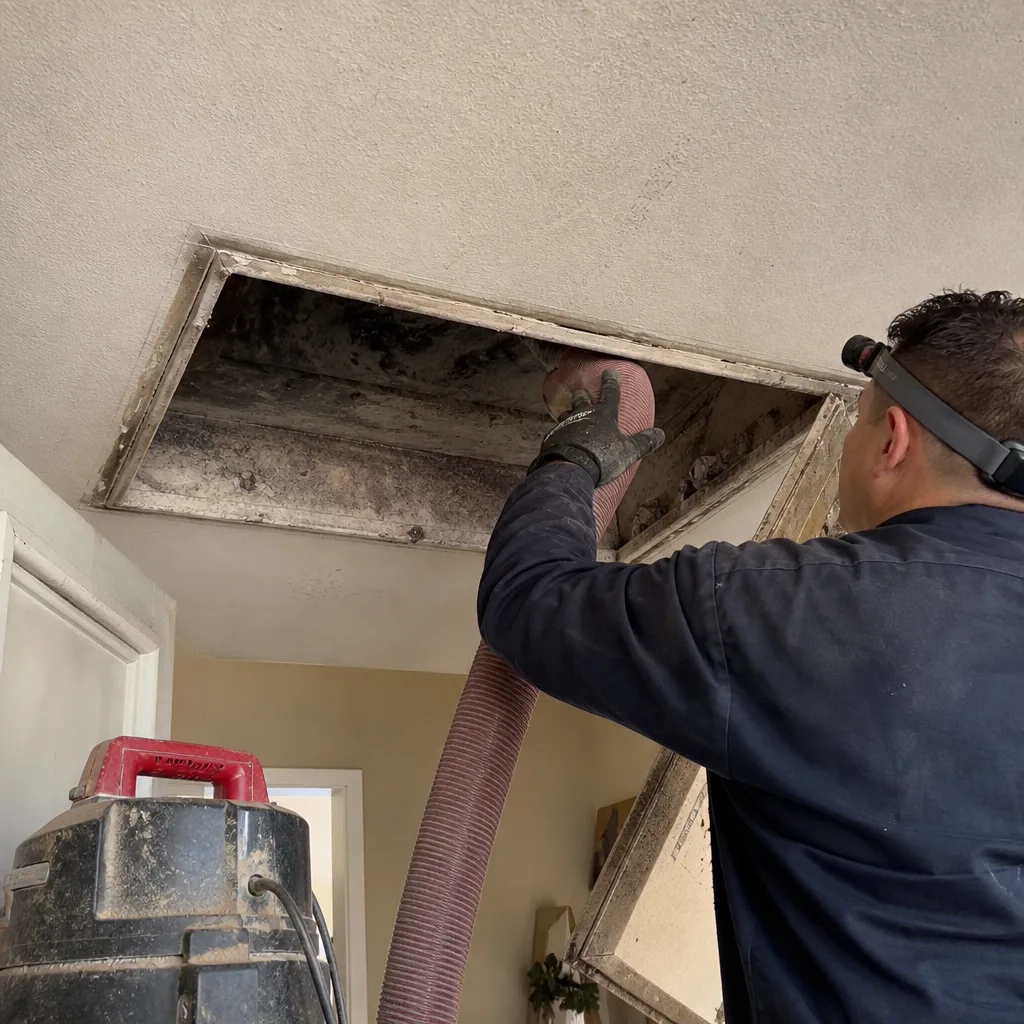 Before
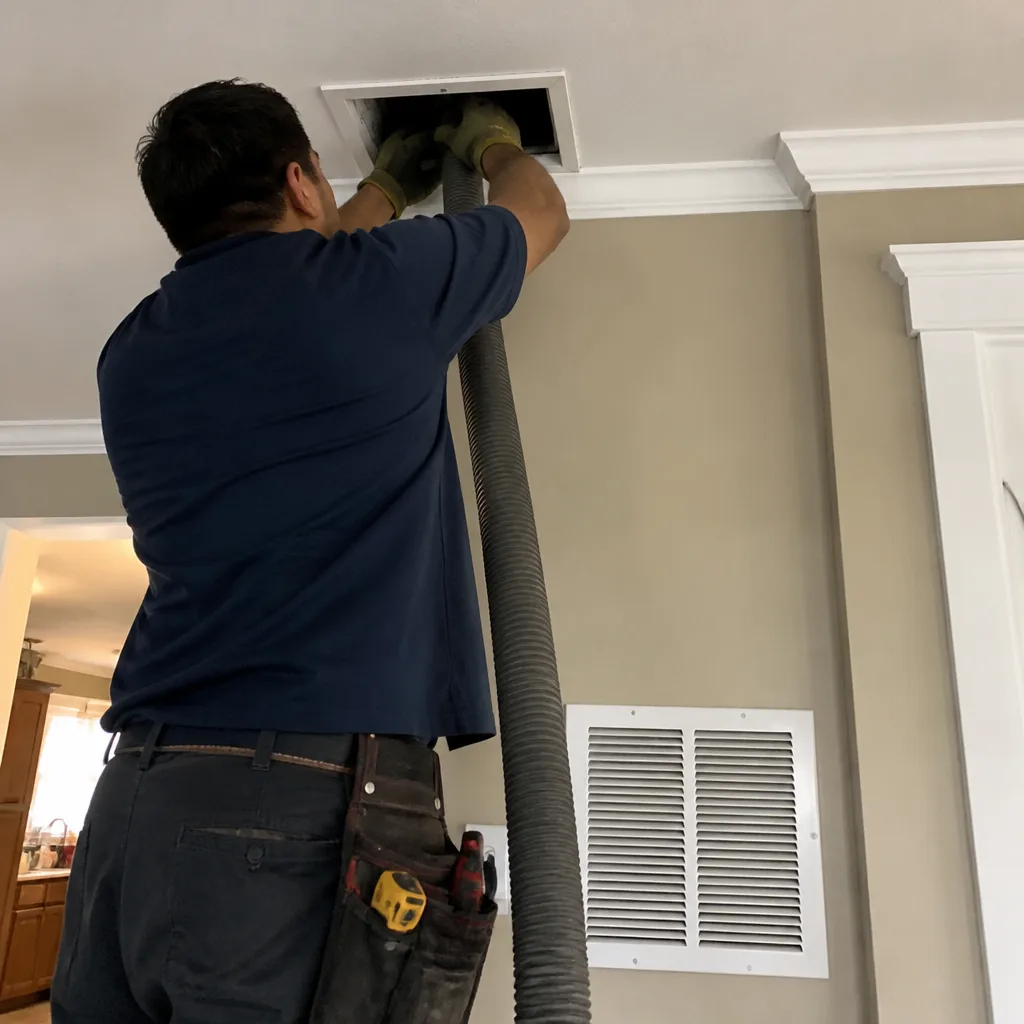 After